
By Deji Osas
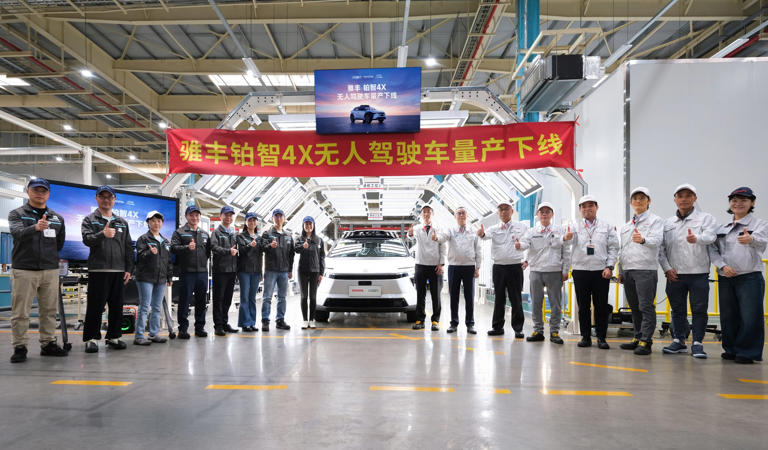
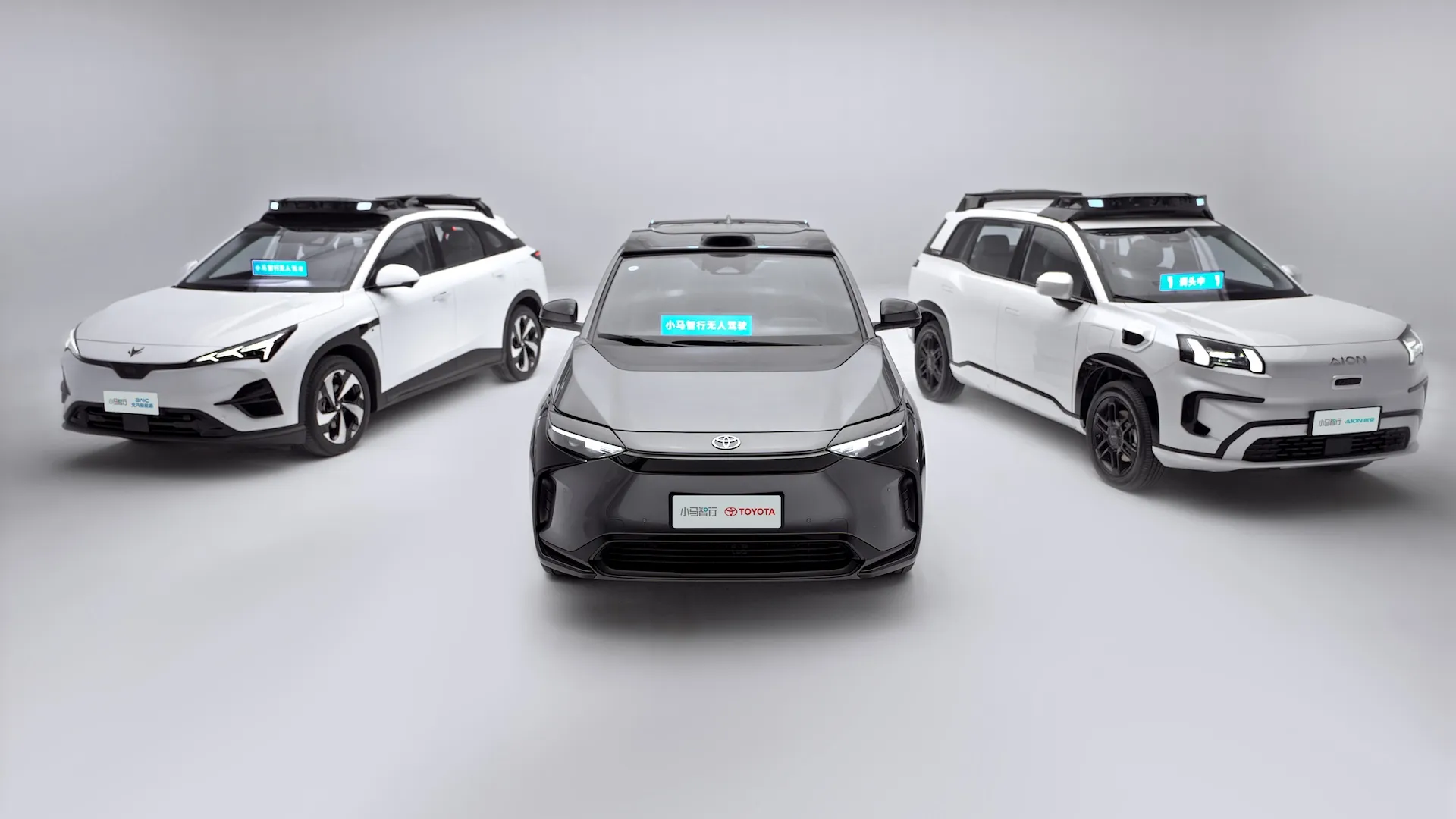
Chinese self-driving technology firm Pony AI has begun mass production of autonomous taxis, marking a major step in its global expansion of driverless cab services. The Guangzhou-based company, in collaboration with Toyota, plans to roll out 1,000 robotaxis this year, with a target fleet of over 3,000 units across China and international markets by the end of 2026.
The Pony-Toyota partnership combines advanced autonomous driving technology with Toyota’s vehicle manufacturing expertise. “This milestone marks a new phase of scaled production and commercial deployment for the Pony-Toyota collaboration,” the company said, emphasizing the synergy between the partners in technology, manufacturing, and supply chain integration.
The newly produced robotaxis feature Level 4 (L4) self-driving capabilities, allowing them to operate without human intervention under most conditions, according to SAE International standards.
Analysts see Pony AI as a key player in China’s burgeoning robotaxi market, alongside Baidu’s Apollo and WeRide, the three companies approved to operate driverless taxis on designated city roads in Beijing, Shanghai, and other top-tier cities.
Robotaxi rides are expected to be highly competitive, with fares as low as 10 per cent of average taxi costs, making them an attractive option for urban commuters. Pony AI has also signalled plans to expand to Hong Kong, South Korea, the Middle East, and Europe in the coming years.
Industry reports project explosive growth for China’s autonomous taxi sector. By 2030, 300,000 driverless taxis could operate in the country’s four major cities, potentially rising to 4 million units by the late 2030s as AI technology advances and public adoption grows. Lower production costs are a key factor: building an autonomous EV taxi now costs around 300,000 yuan (US$43,230), down from approximately 500,000 yuan a few years ago.
Analysts liken Pony AI, Apollo, and WeRide to China’s answer to Waymo, the US-based leader in self-driving taxi services. According to HSBC, driverless cabs could eventually capture 6 per cent of China’s taxi market, with the robotaxi sector potentially generating US$40 billion annually.
Pony AI’s mass production initiative represents a significant step toward making autonomous taxis widely available and affordable, both domestically and globally.