By Deji Osas
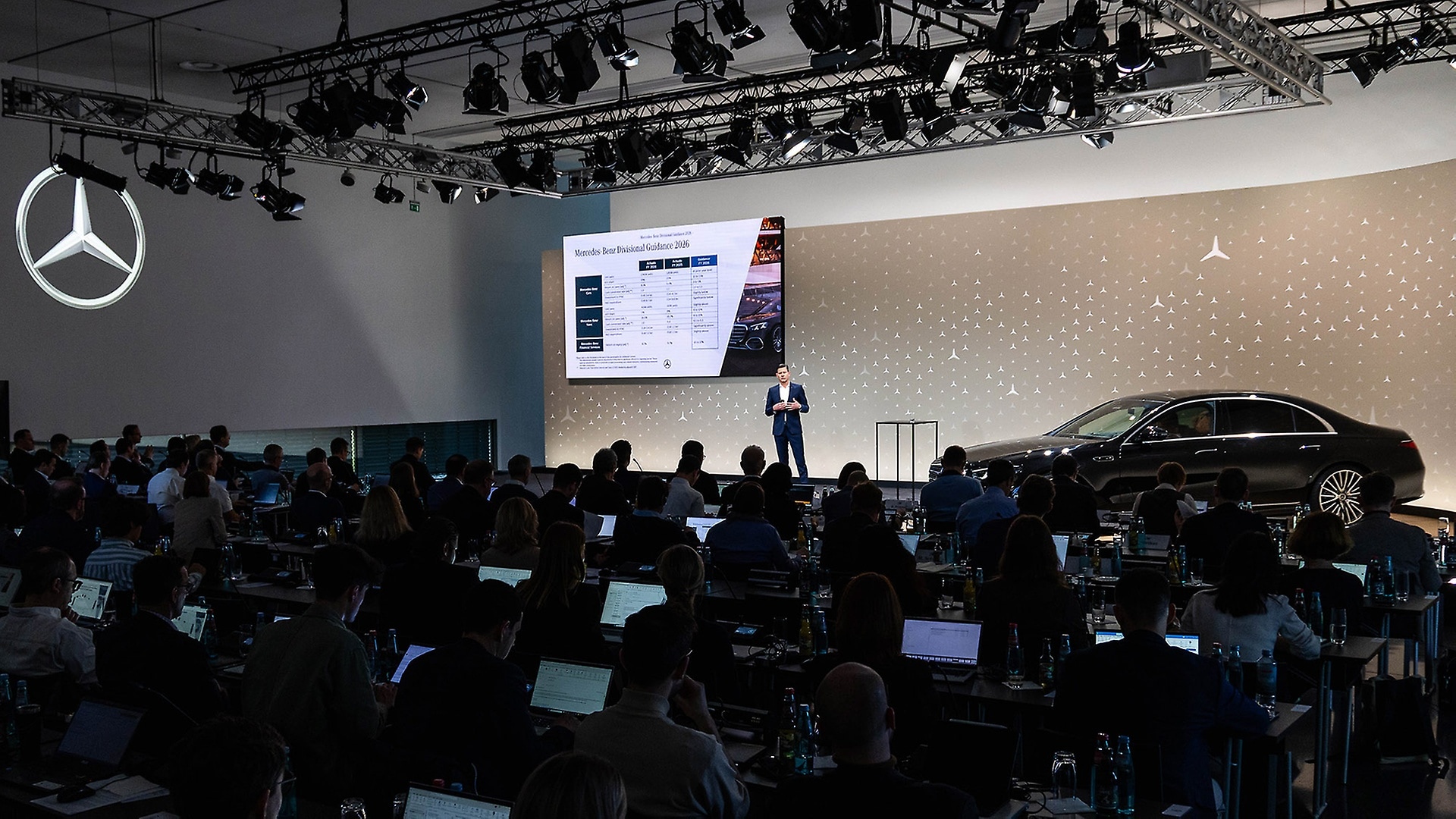
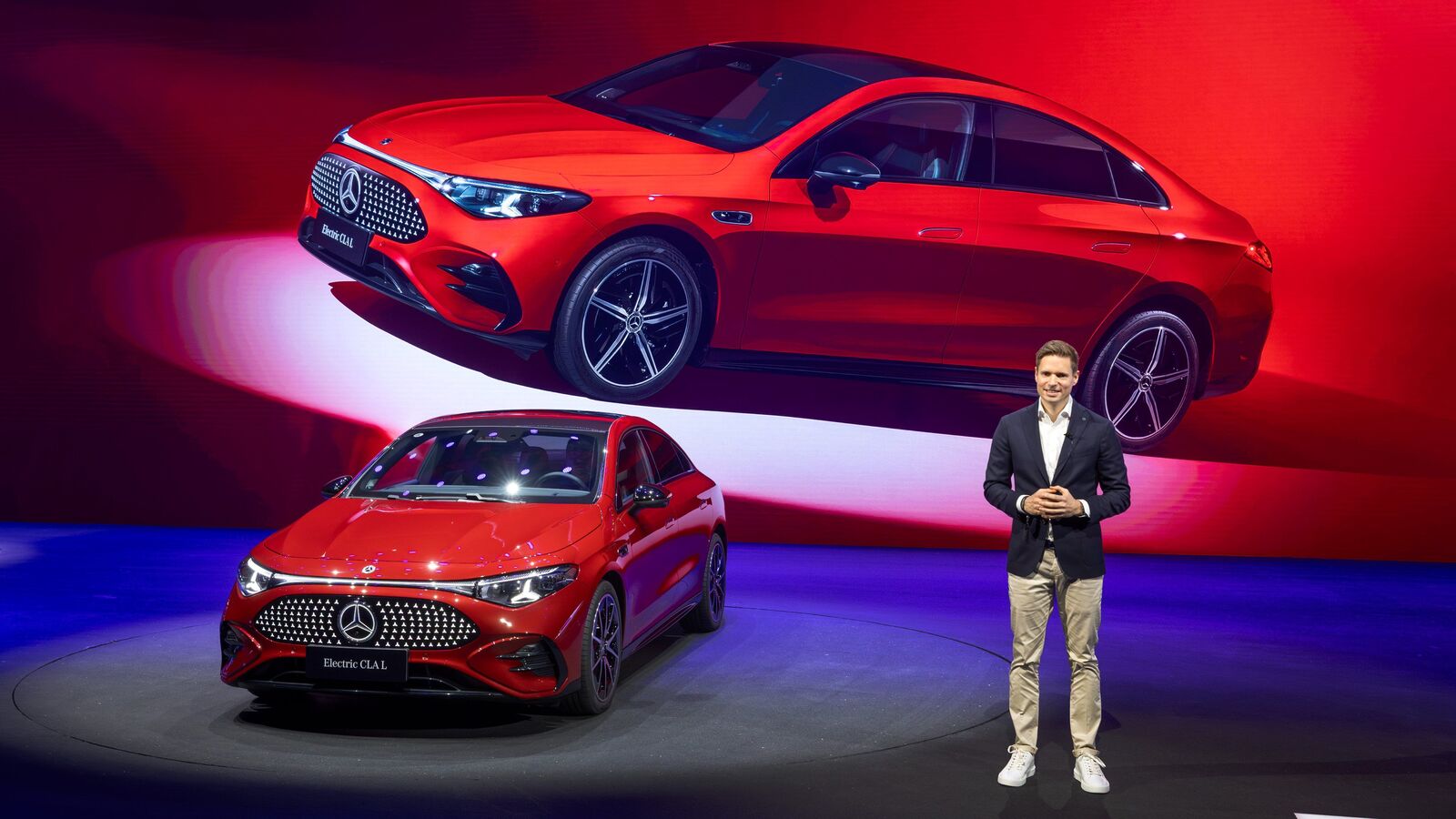
China took centre stage at Mercedes-Benz’s annual results conference in Stuttgart, as executives addressed mounting concerns over the company’s weakening performance in the world’s largest auto market.
Sales and Profit Take a Hit
The German luxury carmaker reported a 19 per cent decline in China sales in 2025, while overall revenue fell 28.6 per cent. Operating profit more than halved to €5.8 billion (US$6.9 billion), weighed down by roughly €1 billion in tariff costs, intense competition in China and adverse currency movements.
Mercedes China chief Oliver Thöne acknowledged that sales in the country would remain below 2025 levels this year, reflecting what he described as “gloomy” consumer sentiment. Premium vehicle sales in China fell 15 per cent last year amid an ongoing electric vehicle (EV) price war.
AI and Smart Features to Close the Gap
Despite the weak outlook, Mercedes unveiled a renewed China-focused strategy built around localisation, artificial intelligence upgrades and new model launches.
The company has integrated a voice assistant powered by ByteDance’s Doubao AI model into one vehicle, with plans to expand it across other models. Its assisted driving system, co-developed with Chinese autonomous driving firm Momenta, will also be rolled out more widely.
Thöne admitted that Mercedes vehicles currently lag behind Chinese competitors in “intelligence” — a critical selling point in China’s increasingly tech-driven EV market.
More Local Production in China
Chief executive Ola Källenius said Mercedes would deepen its localisation strategy to cut costs and better integrate into China’s supply chain.
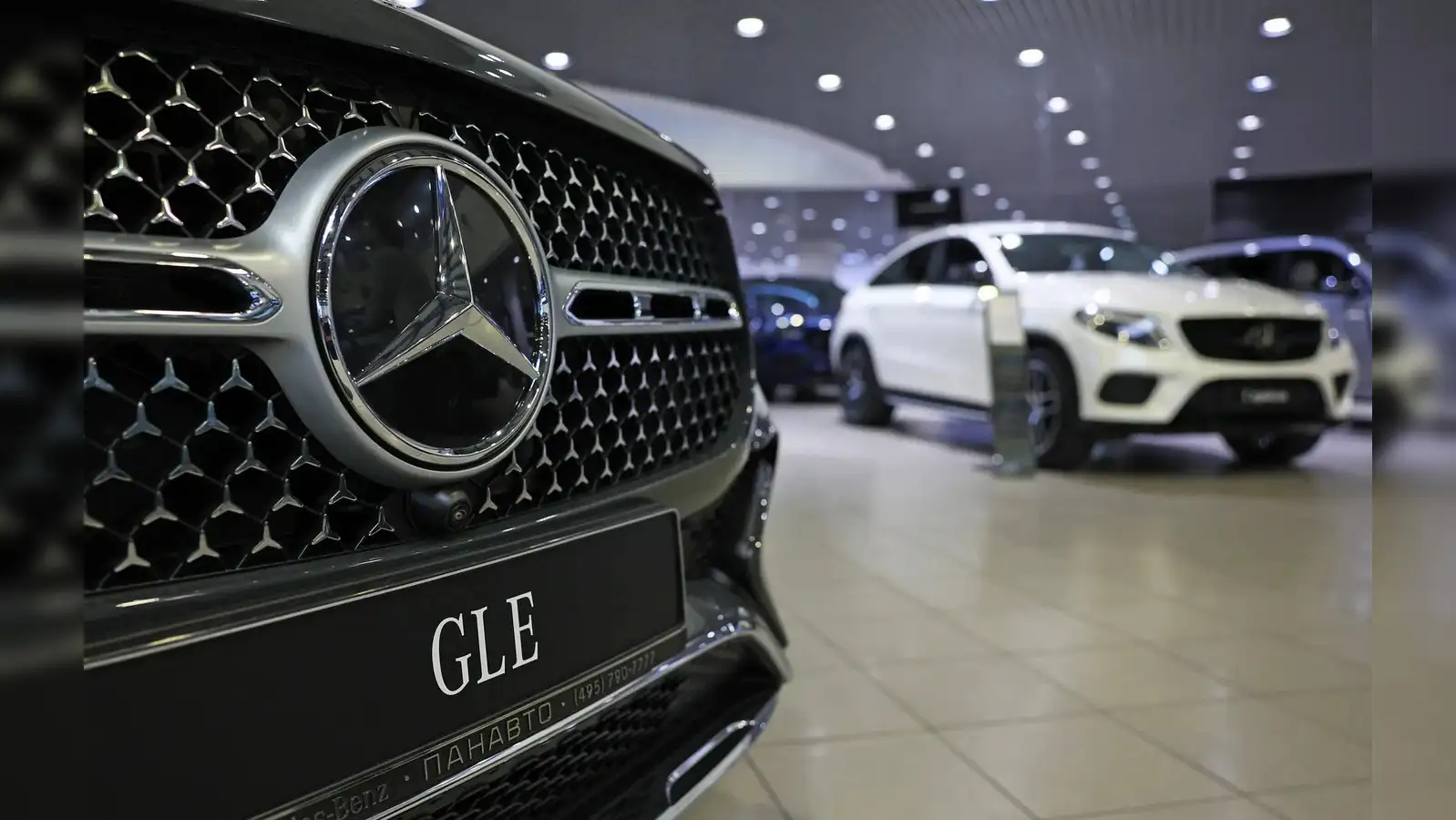
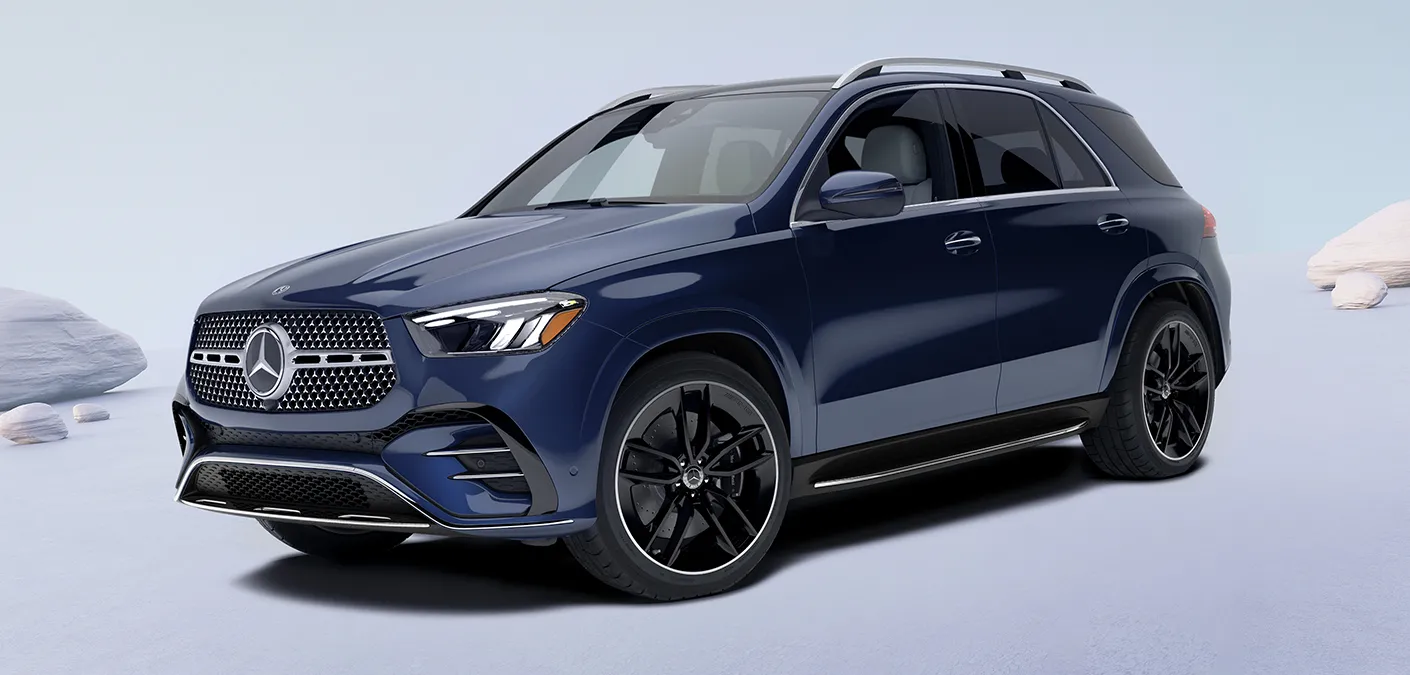
One of its core models, the GLE SUV, will begin local production in China in 2026, including a market-specific variant. By mid-2026, more than 80 per cent of vehicles sold in China are expected to be locally produced, with imports limited to top-end European-made models.
Chief financial officer Harald Wilhelm said further localisation would help reduce exposure to tariffs and enhance competitiveness.
Pricing Strategy and EV Challenges
Mercedes acknowledged it can no longer offer a full entry-level line-up below 300,000 yuan, as consumer demand shifts toward electric vehicles — a segment where it has fewer competitive offerings compared to domestic brands.
However, executives suggested that the fierce EV price war could ease as certain Chinese government incentives are phased out. They pledged to maintain “attractive” but not overly aggressive pricing.
Long-Term Commitment to China
Despite the current headwinds, Mercedes insists China remains its single most important market. According to company data, 65 per cent of Chinese consumers still view owning a Mercedes as a symbol of success.
Källenius also urged policymakers to avoid “rough measures” such as blanket tariffs on Chinese-made EVs, arguing that competitiveness — rather than protectionism — is key to economic growth and innovation.
As competition intensifies and consumer expectations evolve, Mercedes’ ability to blend German engineering with Chinese tech integration may determine whether it can reclaim momentum in its most critical market.