

By Imade isiuwa
Business Analyst & Correspondent
Nigerian banks have collectively raised more than ₦4 trillion in new capital as they race to meet the recapitalisation deadline set by the Central Bank of Nigeria (CBN) for March 31, 2026.
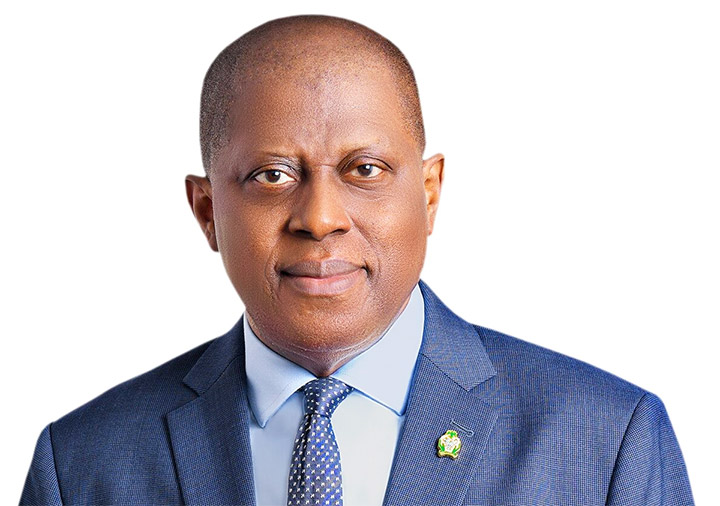
CBN Governor, Olayemi Cardoso, revealed during the latest Monetary Policy Committee briefing in Abuja that as of February 19, 2026, the total verified capital raised by banks had reached ₦4.05 trillion. This marks a significant jump from the ₦2.4 trillion recorded in April 2025, reflecting strong momentum in the recapitalisation drive.
According to Cardoso, the bulk of the funds—₦2.90 trillion, representing over 71 percent—was sourced locally, while ₦1.15 trillion, or about 28 percent, came from foreign investors. He noted that this blend of domestic and international participation demonstrates growing investor confidence in Nigeria’s banking sector.
Cardoso explained that interest from foreign investors had been evident for some time, recalling his engagements with global investment communities that showed enthusiasm for Nigerian financial institutions. He expressed satisfaction that such interest had now translated into tangible capital inflows.
On the level of compliance, the CBN boss disclosed that 20 banks had already met the revised minimum capital requirements, while another 13 institutions were nearing completion of their capital-raising programmes. He expressed confidence that the remaining banks would comply within the stipulated timeline.
He also assured customers that deposits remain fully protected, stressing that the central bank continues to closely supervise financial institutions to ensure stability and orderly compliance.
The recapitalisation directive, introduced in March 2024, requires banks with international licences to maintain a minimum capital base of ₦500 billion. National banks must reach ₦200 billion, while regional and merchant banks are expected to hold at least ₦50 billion. Non-interest banks are required to maintain ₦20 billion for national licences and ₦10 billion for regional operations.
The policy is designed to strengthen the banking sector, improve resilience, and position financial institutions to better support economic growth, lending, and investment.
Beyond recapitalisation, Cardoso highlighted improvements in Nigeria’s external reserves, which rose to approximately $50.4 billion by mid-February 2026—the highest level recorded in over a decade. He attributed the increase to stronger trade performance, increased diaspora remittances, and rising non-oil exports.
He noted that improved market confidence had played a crucial role in driving these gains, emphasizing that investor trust remains essential to economic stability and growth.
Despite the progress, Cardoso cautioned that potential risks remain, including global economic uncertainties, oil price volatility, and possible fiscal pressures linked to pre-election spending. He stressed the importance of maintaining discipline across monetary and fiscal policies to sustain recent economic improvements.
On inflation, the governor noted significant progress, revealing that the rate had dropped from about 34 percent to slightly above 15 percent since the current CBN leadership assumed office. He emphasized that the central bank would continue to adopt a cautious approach to prevent a resurgence in inflation.
Cardoso also highlighted the rapid expansion of Nigeria’s fintech industry, noting that more than 430 fintech firms are currently licensed in the country. He said the CBN is developing a comprehensive regulatory framework for digital financial services to ensure innovation does not compromise financial stability.
Economic experts have described the recapitalisation exercise as critical to strengthening banks and enabling them to provide greater financial support to businesses, boost trade financing, and help Nigeria move closer to its ambition of building a $1 trillion economy.
CBN officials added that while increasing bank capital is essential, it must translate into meaningful lending to businesses, especially small and medium-sized enterprises, to drive sustainable economic growth.

