

Society Storyline up Writer
Seun Ifedayo
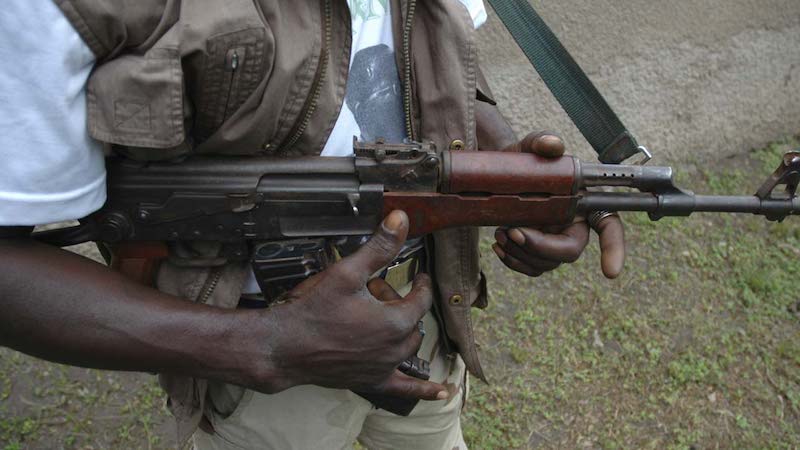
Nigeria’s Easter celebrations turned tragic as coordinated attacks across Benue, Kaduna, and Borno states left several people dead, many abducted, and communities devastated, despite assurances of heightened security nationwide.
The violence, which unfolded during one of Christianity’s most sacred periods, has renewed concerns over the country’s worsening security situation and triggered fresh calls for decisive government action.
Benue Community Under Siege
In Benue State, armed attackers believed to be herdsmen invaded the Agena community in Mbalom, Gwer East Local Government Area, killing residents and setting properties ablaze. The assault occurred in the early hours of Easter Sunday, when many villagers were either preparing for celebrations or observing religious activities.
Residents said the attackers, numbering more than 50, stormed the community, opened fire indiscriminately, and burnt homes, food barns, and the local market. Several people were declared missing, while at least one victim sustained injuries and is currently receiving treatment.
A local resident recounted the horror, explaining that villagers fled into nearby bushes as gunmen shot at fleeing families. According to him, several bodies were recovered after the attack, while search operations continued for missing persons.
Security Adviser to the Gwer East Local Government Chairman, Austin Awua, confirmed the incident, noting that security personnel had been deployed to the area to prevent further violence and restore calm.
Governor Hyacinth Alia condemned the killings, describing them as barbaric and unacceptable. He assured residents that those responsible would be tracked down and prosecuted, adding that the government remained committed to safeguarding lives and property.
Reports also indicated that residents had earlier raised alarms about suspicious movements of armed men days before the attack, heightening concerns over intelligence failures and delayed response.
Terrorists Target Churches in Kaduna
In Kaduna State, terrorists attacked Christian worshippers in Ariko community, Kachia Local Government Area, during Easter services at First ECWA Church and St. Augustine Catholic Church.
The attackers reportedly arrived in large numbers, shooting sporadically and abducting several worshippers. At least seven people were killed during the assault, which lasted nearly an hour before the attackers retreated into surrounding forests.
Local officials said poor telecommunications coverage delayed emergency response, allowing the assailants to operate for an extended period.
However, troops of the Nigerian Army later intervened following a distress call and engaged the attackers in a fierce gun battle. Military sources confirmed that 31 abducted worshippers were rescued after troops overwhelmed the attackers.
The military also recovered five bodies of victims killed before their arrival, while bloodstains along escape routes suggested possible casualties among fleeing attackers.
Additional troops have since been deployed to the area, with security forces intensifying operations to track down the perpetrators and rescue any remaining captives.
Boko Haram Attacks in Borno
Meanwhile, suspected Boko Haram and ISWAP insurgents launched coordinated attacks in parts of Borno State, killing four police officers and a local hunter.
According to the Borno State Police Command, terrorists stormed the Nganzai Divisional Police Headquarters around 1 a.m., attempting to overrun the town. Security personnel engaged the attackers in a gunfight, but four officers were killed during the exchange.
The attackers reportedly used rocket-propelled grenades and other sophisticated weapons, damaging parts of the station and burning an unserviceable armoured personnel carrier.
Shortly afterward, another attack occurred at Mallam Fatori Internally Displaced Persons camp in Damasak, where a local hunter was killed and about 20 thatched houses destroyed.
Joint security forces later repelled the attackers, preventing further casualties.
In a separate incident, suspected insurgents also attacked Awapul community in Chibok Local Government Area, burning homes and shops, forcing residents to flee to safer locations.
Police Nab Suspects in Taraba
In Taraba State, police arrested suspects allegedly responsible for the killing of three officers in Donga Local Government Area. The officers were ambushed while responding to a distress call following an earlier attack on a village.
Authorities confirmed that two suspects had been apprehended and stolen service firearms recovered.
Leaders React to Escalating Violence
Religious and political leaders expressed concern over the worsening security situation. The Catholic Bishop of Sokoto Diocese, Matthew Kukah, warned that Nigeria was drifting into deeper instability, describing the country as trapped in a cycle of violence and uncertainty.
He urged leaders to address insecurity, economic hardship, and governance challenges, warning that growing distrust in institutions could worsen the crisis.
Similarly, Senate President Godswill Akpabio expressed sympathy to victims and families affected by the attacks, while expressing hope that Nigeria would eventually overcome insecurity.
Civil society groups also criticised what they described as delayed and insufficient government responses to repeated attacks, urging authorities to move beyond condemnations and implement proactive measures.
Renewed Concerns
The Easter attacks came barely a week after deadly violence in Plateau State during Palm Sunday celebrations, raising questions about the effectiveness of security deployments during festive periods.
As affected communities mourn their losses, security agencies say operations have been intensified across the affected states, while residents continue to call for urgent action to prevent further bloodshed.
The latest wave of violence underscores the persistent insecurity across parts of Nigeria, even during periods traditionally marked by peace and reflection.

