

Tech News By
DeJi Osas

Apple has once again captured global attention with its newest product reveal at the Steve Jobs Theater in Cupertino, California. On September 9, the company announced the iPhone 17 series, headlined by a brand-new model dubbed the iPhone Air.
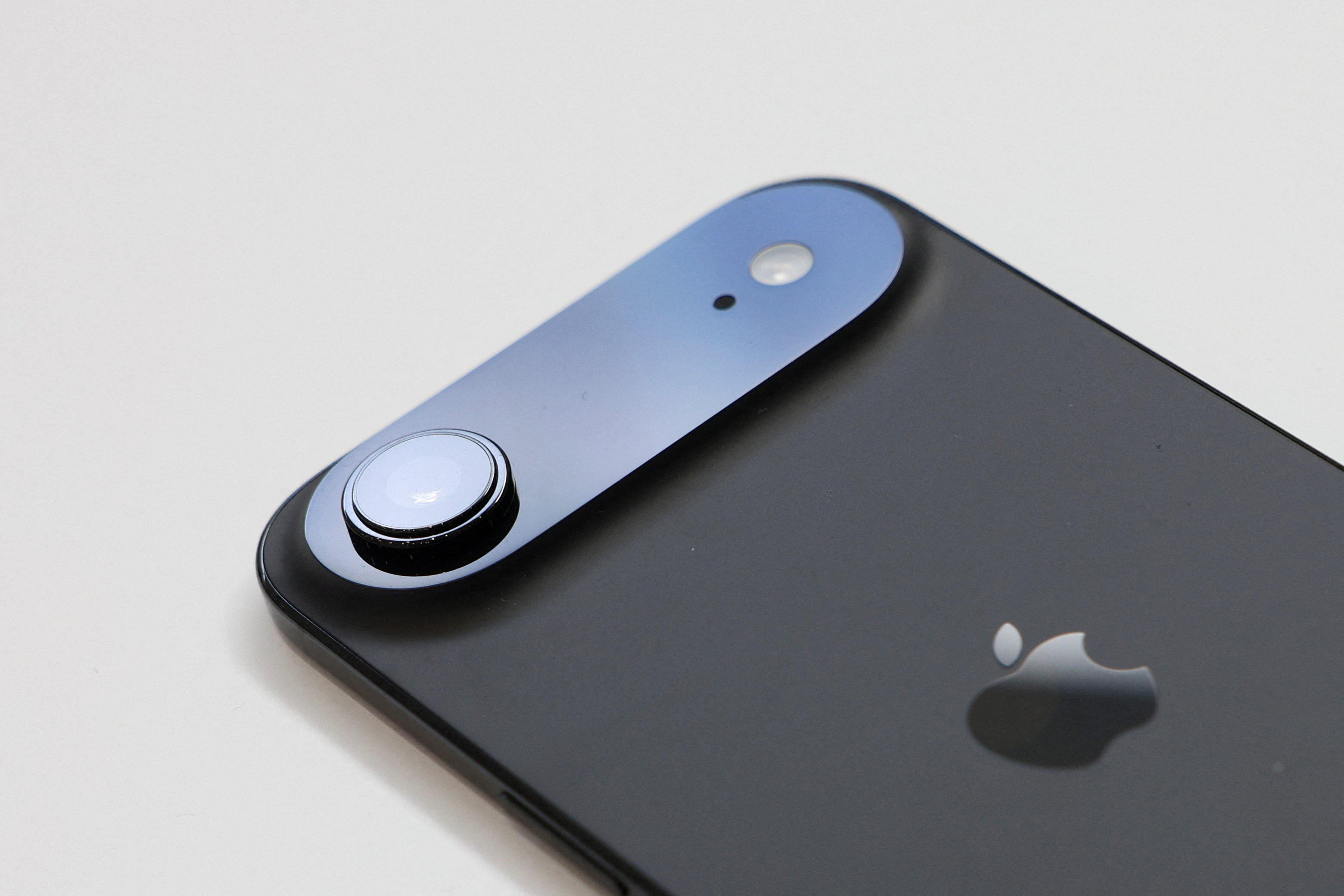
The iPhone Air, measuring just 5.6mm thick, is now the thinnest iPhone ever made, even slimmer than Samsung’s Galaxy Edge. Apple executives hailed it as a “game-changing device” for users who prioritize sleek design and portability. However, what stood out just as much as its design was what Apple did not deliver: a dedicated AI-powered smartphone.
Unlike rivals Samsung and Google, who have doubled down on artificial intelligence features in recent releases, Apple placed its focus squarely on hardware refinement, durability, and battery performance. This strategic move has sparked debate among analysts, consumers, and investors, with some praising Apple’s minimalist innovation and others lamenting what they see as a missed opportunity to lead in the AI race.
A New Chapter: The Arrival of iPhone Air
Apple’s iPhone lineup has long featured four staple models—the standard, Plus, Pro, and Pro Max. With this launch, Apple retired the Plus model, replacing it with the iPhone Air. The Air borrows the high-end chip used in the Pro series but presents it in a thinner, lighter body designed to appeal to users who want premium performance without bulk.
At the event, Apple CEO Tim Cook described the iPhone Air as “the boldest leap in iPhone design history.” Crowds of journalists and tech influencers rushed to test the Air, marveling at its slimness and comparing it to their existing devices. Despite the excitement, not everyone was convinced. Critics pointed to the large protruding camera bump on the back, which disrupts the otherwise streamlined silhouette. Apple explained that this “plateau” houses critical components, but it left some consumers questioning whether thinness had been achieved at the expense of aesthetics.
Hardware Over Hype: Where AI Took a Backseat
Perhaps the most surprising aspect of the unveiling was the lack of emphasis on AI-driven features. While Apple has rolled out its “Apple Intelligence” platform in previous updates—featuring text generation, translation, and generative emoji—the event scarcely mentioned it. Across the 75-minute keynote, executives referenced AI only a handful of times, offering no significant updates to Siri or other smart assistant features.
This was a sharp contrast to Apple’s competitors. Samsung and Google have both made AI the centerpiece of their latest phones, highlighting personalized assistants, smart photography, and live translation as tools that redefine the smartphone experience. By comparison, Apple’s presentation seemed to prioritize stability and refinement over experimental innovation.
Still, Apple did deliver meaningful upgrades outside the iPhone. The new AirPods Pro 3 include real-time language translation capabilities, enabling two people to converse seamlessly across languages. They also feature health-focused functions, such as heart rate monitoring powered by AI models. Meanwhile, the latest Apple Watch introduced hypertension risk detection through advanced analysis of heart-rate and blood-flow data, underscoring Apple’s growing push into health tech.
Strength in Battery, Camera, and Durability
Despite skipping AI-centered marketing, the iPhone 17 lineup saw major upgrades in core functionality. Apple unveiled Ceramic Shield 2, a tougher material that improves scratch resistance by three times. The iPhone 17 also promises significantly better outdoor visibility and reduced glare, addressing common complaints from users.
Battery life saw one of the most dramatic improvements. Apple claims the iPhone 17 can handle up to 30 hours of video playback, an increase of eight hours compared to the previous generation. Fast-charging improvements also mean users can restore 50% of battery in just 10 minutes. Apple further assured customers that it has solved overheating issues that plagued some iPhone 16 users.
The camera system also received a notable boost. For the first time, the front camera matches the quality of the rear camera, boasting an 18-megapixel sensor that excels in low-light conditions and selfie detail. The addition of a square sensor expands composition options, enabling users to take photos in a wider aspect ratio without rotating the device.
Market Reactions and What Lies Ahead
Consumer reactions have been mixed. Many were impressed by the thinness and performance of the iPhone Air, while others questioned whether slimming down was enough to justify the hype. Some analysts warned that by equipping the Air with a Pro-level chip, Apple risks undercutting its high-margin Pro and Pro Max sales, reducing the incentive for customers to buy the most expensive models.
The pricing strategy, however, was a relief to many. Apple kept the base iPhone at $799, introduced the Air at $999, raised the Pro slightly to $1,099 (with double the base storage), and left the Pro Max unchanged at $1,199. The devices will roll out globally on September 19, including in South Korea on the same day.
Investors, however, appeared skeptical. Apple’s stock dipped more than 1% immediately after the event, while shares of competitors like Google climbed. Market watchers suggested this was due to the perception that Apple had not pushed boundaries in AI, leaving rivals room to claim leadership.
Still, Apple has never been one to follow trends for the sake of it. By betting on thinness, durability, and practicality, the company is signaling that it intends to win on user experience and reliability, not AI gimmicks. Whether this gamble pays off will become clear as consumers worldwide weigh the appeal of the sleek new iPhone Air against the growing demand for AI-powered smartphones.


