

By Nonso Adigwe
Society Page Editor
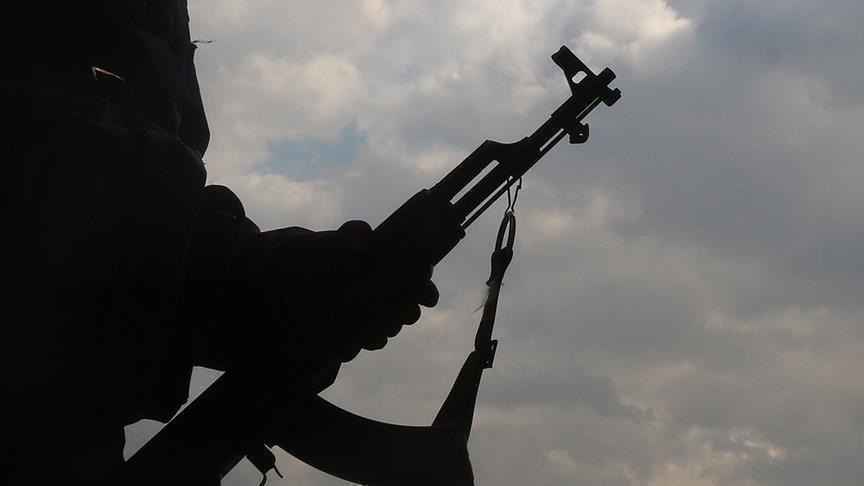
Causes Panic as Students and Residents Targeted by Gunmen
At least 10 people have been confirmed killed in a brutal gun attack that swept through several densely populated communities in Jos, Plateau State, on Palm Sunday (March 29, 2026), humanitarian sources and eyewitnesses report. The incident, which erupted in and around the Angwa Rukuba and Eto Baba districts, has left residents in shock and authorities scrambling to restore order.
According to a humanitarian worker on the ground, at least 10 Christians were killed when gunmen opened fire at student hostels and residential areas in broad daylight. While local sources have yet to confirm the identities or affiliations of the attackers, witnesses described chaotic scenes, with gunfire echoing across streets and residents scrambling for safety.
One resident at Angwa Rukuba told a local news outlet that the assailants moved through the neighbourhoods, firing indiscriminately before retreating toward nearby hills. Parts of the community were reported to be engulfed in flames as emergency responders and volunteers attempted to reach the wounded.
Students living near the attack sites were advised to remain indoors and avoid any movement as security forces intensify patrols in vulnerable zones. The official death toll remains incomplete, with health facilities reporting multiple injured victims in urgent need of care.
This surge in violence comes amid longstanding insecurity in northern and central Nigeria, where communal, ethnic, and militia‑related attacks have periodically erupted over the past decade. Plateau State, in particular, has been a flashpoint for repeated clashes involving bandits, militias, and other armed groups.
Community Tension and Historical Context
Plateau’s history of inter‑communal violence dates back decades, with previous episodes — including the widely documented 2008 Jos riots — leaving hundreds dead and entire neighbourhoods destabilised. Ethno‑religious tensions over land, identity, and power have fuelled cycles of retaliation and mistrust among local communities.
As of now, there has been no official identity released for the March 29 attackers by Nigerian security agencies, increasing speculation and fear among residents of Jos and surrounding communities. Humanitarian observers are calling for urgent protection measures and rapid response to prevent further loss of life.
What’s next: Authorities are expected to provide updated casualty figures and details on arrests or military operations in the coming days. Families of victims and community leaders are also urging government intervention to address the underlying security challenges that continue to plague the region.
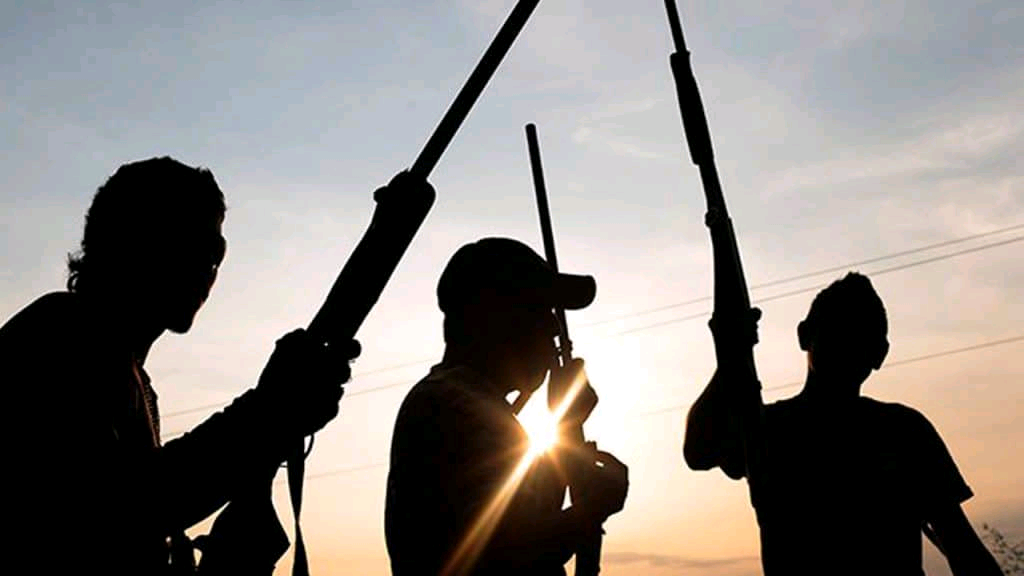
EMERGENCY CURFEW: Plateau Government Locks Down Jos After Massacre
48‑Hour Curfew Announced as Authorities Fight to Regain Control
Following the Palm Sunday attacks in Jos, the Plateau State Government has imposed a strict 48‑hour curfew in Jos North Local Government Area, an emergency measure aimed at stabilising the volatile security situation and protecting residents from further harm.
The curfew, announced by state authorities on March 30, restricts all movement from dusk until dawn and requires residents to remain in their homes until the directive is lifted. The government cited the need to curb further violence, support security operations, and prevent potential reprisals in the wake of the deadly gun attacks that claimed lives in several neighbourhoods.
Governor Caleb Mutfwang described the attacks on innocent civilians as “barbaric” and pledged that additional police and military resources would be deployed to protect vulnerable communities and restore public confidence. State officials are also working with local leaders and security agencies to ensure food, medical care, and other essential services reach residents impacted by the curfew.
A Strategy to Prevent Escalation
The curfew is designed to give security forces a tactical advantage as they pursue suspects and deter further armed incursions. In previous years, curfews in Plateau — including those imposed during earlier violent episodes — were used to prevent retaliatory attacks after mass killings and to safeguard civilians caught in the crossfire of communal tensions.
However, residents expressed mixed reactions to the curfew. While some see it as a necessary step to prevent further bloodshed, others warned that prolonged restrictions could disrupt economic activities and heighten anxiety among families who now fear for loved ones left at home.
Human rights advocates have urged the government to pair the curfew with enhanced community engagement and transparency around military operations, noting that curfews alone may not address deep‑seated insecurity without broader reconciliation and development efforts.
As of this report, mobile networks and essential services remain operational, but movement is tightly restricted until the 48‑hour period expires. Security checkpoints have been set up at major access points, and residents are being screened to ensure compliance.
What to watch: Officials from the Plateau State government are expected to brief the public on the results of security operations and any extension of the curfew should further threats be identified.
ROSARY OF BLOOD: Palm Sunday Killings Rekindle Deep‑Rooted Fears Across Communities
Harrowing Attack Highlights Legacy of Violence
The Palm Sunday massacre in Jos communities has once again cast a spotlight on the persistent insecurity that has afflicted Plateau State for years. The attack has reignited long‑held fears among Christian and mixed‑community neighbourhoods, with survivors describing scenes of terror as gunmen opened fire on students and residents celebrating one of the most important days in the Christian calendar.
Eyewitnesses at the Angwa Rukuba Junction and surrounding residential zones recounted how the attackers — some arriving on motorcycles — fired randomly into homes and crowds, provoking an urgent scramble for cover. With dozens already injured and fatalities rising, local volunteers and health workers have been overwhelmed by the surge in victims brought to nearby clinics.
Broader Pattern of Violence in Plateau
Plateau State has endured waves of violence stretching back decades, often rooted in ethno‑religious disputes, land rights conflicts, and militia activity. Historic episodes — such as the mass clashes in 2008 and recurring bandit attacks — have collectively claimed hundreds of lives and displaced thousands of residents.
In late 2023 and early 2024, hundreds of villagers were reported killed in large‑scale attacks linked to armed groups in Plateau, underscoring how the region’s security challenges have evolved into more deadly cycles of violence.
Many of these repeated outbreaks stem from disputes over grazing land, population growth, and weak enforcement of rule of law in frontier zones, often exploited by militant groups for recruitment and raids. Analysts point to a combination of political, economic, and historical tensions that make Plateau and other Middle Belt states particularly vulnerable to recurrent attacks.
Impact on Communities and Faith Groups
The Palm Sunday killings have not only shattered families but also shaken confidence among religious communities who see the attack as a stark reminder of past atrocities. Many residents are now calling for stronger national strategy and accountability, citing the need for better intelligence, community policing, and reconciliation initiatives that address the root causes of insecurity.
Christian leaders and community representatives have urged the federal and state governments to prioritise protection of civilians, restitution for victims’ families, and long‑term peacebuilding measures that can bridge divides in ethnically and religiously mixed communities.
Call for Justice: Families of the victims are preparing petitions and public demands for transparent investigations, while local NGOs and international partners monitor developments closely, pushing for urgent humanitarian assistance and trauma support for survivors.

