
By Deji Osas

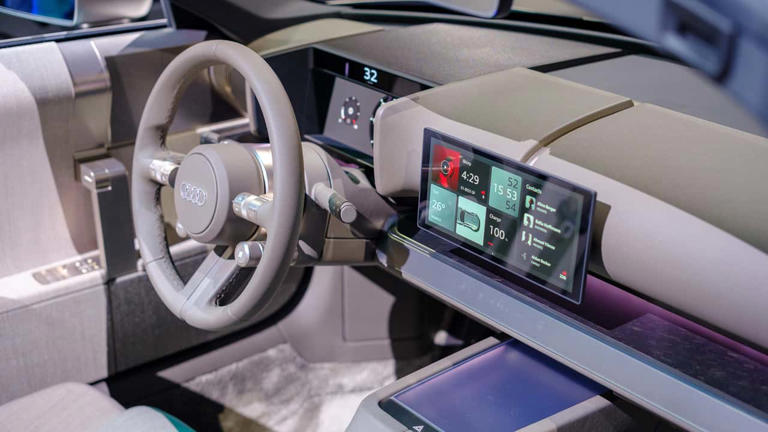
At this year’s IAA Mobility Show in Munich, Audi stole the spotlight with the unveiling of the Concept C, a sleek two-seat electric sports car that signals the brand’s return to daring design. For those skeptical about whether Audi could still build a head-turner, the Concept C makes a compelling case—both in person and in photos.
A New Design Chapter
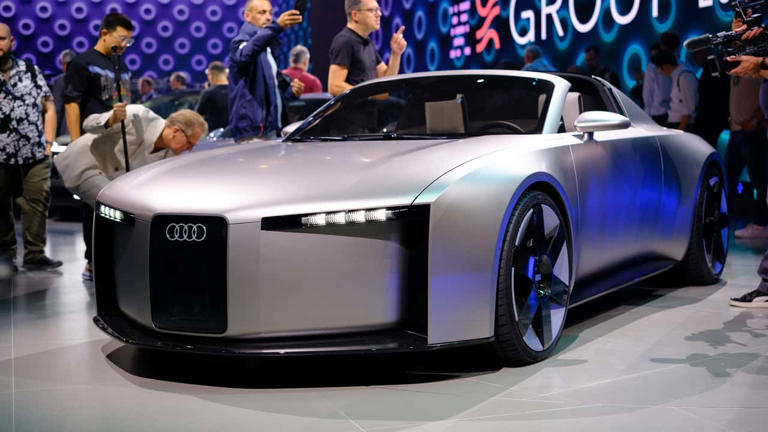
The Concept C is more than a show car—it’s a preview of Audi’s next-generation design language. After years of criticism for styling that many felt had grown repetitive, this coupe strikes a balance between modern EV elegance and classic Audi cues. Designers say inspiration came not only from the company’s golden era in the 1990s and 2000s but also from its prewar racing heritage.
Its low, wide stance and flowing silhouette drew comparisons to icons like the Nissan Z and Porsche 911. While some critics see hints of Jaguar styling in the front, most attendees praised its sharp proportions and futuristic details, especially the vented rear treatment, which gives the car a striking presence.
![Audi Concept C Live Photos]() More Than Just Looks
More Than Just Looks
 More Than Just Looks
Audi isn’t just showing off a pretty face. CEO Gernot Döllner confirmed that the Concept C is “90% production-ready,” meaning buyers can expect to see a version of it on the road soon. It will not carry the TT badge—despite speculation of it being a spiritual successor—but instead will sit between the TT and R8 in price and performance.
Rumors suggest it may share a platform with Porsche’s upcoming all-electric 718 Boxster and Cayman, positioning it as a six-figure EV sports car aimed squarely at enthusiasts.
 Driving Experience: Simulated Shifts and Sound
One of the standout features Audi is promising is a virtual gearbox paired with synthetic engine sounds, designed to bring more engagement to electric driving. Similar to what Hyundai offers in its Ioniq 5 N, the system simulates gear changes, adding rhythm and excitement to the driving experience.
Döllner emphasized that this isn’t just a gimmick: “We found that a virtual gearbox and sound really add something to driving an electric car. Even on the racetrack, I’m faster with a car with a virtual gearbox,” he explained.
This move shows Audi’s recognition that sports cars must offer emotion as well as efficiency, especially in a market where EVs risk being seen as sterile.
Between the TT and R8—But All Electric
The Concept C sits in a unique niche: larger and more refined than the TT, but not as extreme or expensive as the R8 supercar. That leaves a wide gap in pricing, but industry insiders predict the production version will start in the low six figures, depending on its final performance specs.
Audi has also confirmed a focus on minimal design compromises—even hinting at the possibility of a production version without a traditional rear window, in the style of Polestar.
Why It Matters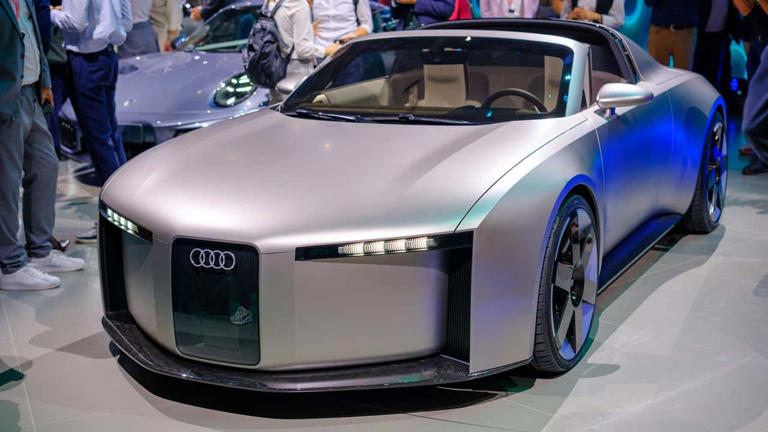
Sports cars are often the emotional halo of a brand, and with EVs still battling for passion and identity, the Concept C could be Audi’s way of proving electric cars can be both thrilling and beautiful. For Audi fans, it marks a much-needed step forward after years of conservative design choices.
Love it or hate it, the Concept C has achieved what every concept car should: it got people talking. And if Audi follows through on its promise not to showcase cars it doesn’t plan to build, the streets may soon see one of the most exciting EVs of the decade.