
By Geradine Ohonba
Health Editor/Columnist
Fatty liver disease, especially non-alcoholic fatty liver disease (NAFLD), has become increasingly common due to poor dietary habits and sedentary lifestyles. Left unaddressed, it can lead to more serious health complications such as liver inflammation, fibrosis, or even cirrhosis. The good news? Making targeted changes to your diet can significantly reduce fat buildup in the liver and promote overall liver health. Here are six simple, science-backed nutrition strategies to help you beat liver fat and reclaim your well-being.
1. Cut Back on Added Sugars and Refined Carbs
One of the leading contributors to liver fat is excessive sugar intake—especially from sugary beverages, desserts, and processed foods. When you consume too much fructose (a type of sugar), your liver converts it into fat, leading to fatty deposits.
Refined carbohydrates such as white bread, pasta, pastries, and soda rapidly spike blood sugar levels and encourage fat storage in the liver. Replace these with whole-grain options like brown rice, quinoa, oats, and whole-wheat bread. Choose natural sources of sweetness like fruits, but even then, moderation is key.
2. Increase Your Intake of Fiber-Rich Foods
Dietary fiber plays a major role in reducing liver fat. Fiber slows down digestion, improves insulin sensitivity, and helps your body regulate blood sugar levels more efficiently. Soluble fiber, in particular, binds to fats in the digestive tract and helps eliminate them before they can be stored in the liver.
Incorporate fiber-rich foods like:
-
Legumes (lentils, chickpeas, black beans)
-
Vegetables (broccoli, spinach, carrots)
-
Fruits (apples, berries, pears)
-
Whole grains (barley, oats, bulgur)
Aim for at least 25–30 grams of fiber daily.
3. Embrace Healthy Fats—Especially Omega-3s
While it may sound counterintuitive, eating the right kinds of fats can help reduce liver fat. Unsaturated fats, particularly omega-3 fatty acids, are known to reduce inflammation and fat accumulation in the liver.
Great sources of healthy fats include:
-
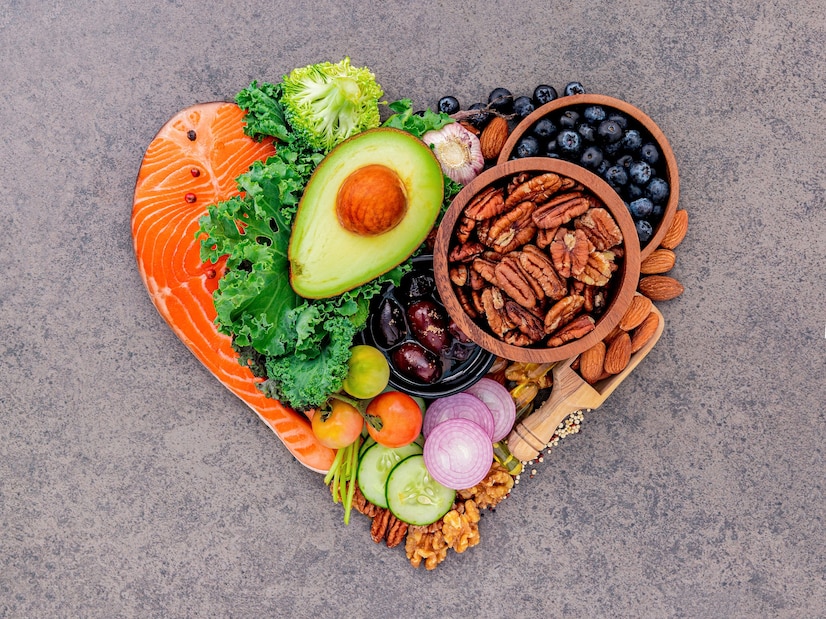
Fatty fish like salmon, mackerel, and sardines
-
Nuts and seeds (especially walnuts, chia seeds, and flaxseeds)
-
Avocados
-
Olive oil
Avoid trans fats and limit saturated fats found in fried foods, baked goods, and processed snacks.
4. Limit Alcohol and Sugary Beverages
Even though NAFLD is not caused by alcohol, drinking alcohol can worsen liver damage and increase fat accumulation. Additionally, beverages like soda, energy drinks, sweetened teas, and flavored coffees can pack excessive calories and sugars that overwhelm your liver.
Hydration is crucial for liver function, so drink plenty of water throughout the day. If you need a flavored alternative, try infusing water with lemon, mint, or cucumber.
5. Prioritize Lean Proteins
Lean protein sources help support muscle mass and boost metabolism, which can indirectly aid in reducing liver fat. Protein also keeps you feeling full longer, reducing cravings for unhealthy snacks.
Opt for:
-
Skinless chicken or turkey
-
Eggs
-
Tofu and tempeh
-
Low-fat dairy
-
Fish and seafood
-
Plant-based proteins like lentils and quinoa
Avoid processed meats such as sausages, bacon, and deli meats, as these are often high in saturated fat and preservatives.
6. Watch Portion Sizes and Overall Caloric Intake
Even healthy foods can contribute to fat buildup if consumed in excess. Caloric surplus—eating more calories than your body needs—inevitably leads to fat storage, including in the liver.
To prevent this:
-
Eat slowly and mindfully
-
Avoid second servings unless necessary
-
Use smaller plates to control portions
-
Read nutrition labels to avoid hidden calories
Weight loss of just 5–10% of your body weight can significantly reduce liver fat and improve liver function.
On a Final Note
Fatty liver disease is largely reversible, especially in its early stages. The key lies in making consistent, manageable changes to your diet and lifestyle. By reducing sugar and refined carb intake, increasing fiber and healthy fats, limiting alcohol, choosing lean proteins, and controlling portions, you give your liver the best chance to heal and function optimally.
Always consult a healthcare provider or registered dietitian before starting any new diet plan, especially if you already have a liver condition. With the right approach, your liver—and your overall health—can thrive.