

By Science News Correspondent
Bosun Jaiyesimi
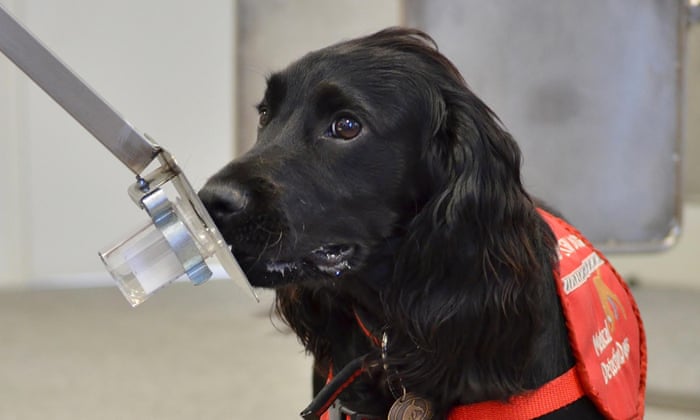
In a stunning intersection of science and nature, researchers have made remarkable strides in harnessing the unique abilities of man’s best friend to detect cancer even before the onset of symptoms. The discovery that dogs can sniff out cancer at its earliest stages — sometimes before medical equipment can — is changing the way scientists and doctors think about diagnostics, potentially ushering in a new era of early detection and improved survival rates.
The Science Behind a Dog’s Nose
Dogs possess an extraordinary sense of smell, far superior to that of humans. While humans have about 5 million scent receptors in their noses, dogs have up to 300 million. This biological advantage allows them to detect the faintest of odors, including those given off by volatile organic compounds (VOCs) — chemicals produced by cancerous cells.
These VOCs are released through breath, sweat, urine, and skin. Dogs trained in medical scent detection can pick up on these subtle cues long before a tumor becomes visible via imaging technologies such as MRI or CT scans. What’s even more astonishing is their accuracy: in various studies, trained dogs have been able to detect cancers like lung, breast, prostate, and colorectal with sensitivities and specificities often exceeding 90%.
Training the Canine Detectives
The process of training dogs to detect cancer involves a highly specialized and reward-based program. It begins with scent imprinting, where dogs are exposed to biological samples from cancer patients and taught to associate those scents with rewards like treats or praise. Over time, they learn to differentiate between healthy samples and those with cancer biomarkers.
Organizations like Medical Detection Dogs in the UK and Penn Vet Working Dog Center in the U.S. have pioneered this approach. Their teams use positive reinforcement techniques and controlled environments to ensure consistency in training and results. In trials, dogs have not only correctly identified cancerous samples but have occasionally detected cancer in individuals who were later diagnosed, even though they showed no symptoms at the time of testing.
Real-Life Success Stories and Clinical Trials
One widely reported case involved a Labrador retriever named Daisy, who was credited with detecting over 550 cases of cancer during her service at Medical Detection Dogs. Daisy once repeatedly nudged her owner’s chest, prompting a medical exam that revealed a malignant tumor the doctors hadn’t noticed. Such stories, while anecdotal, underscore the very real potential of canine-assisted detection.
Clinical trials are ongoing worldwide to scientifically validate these observations. A 2019 study published in The Journal of Breath Research found that trained dogs detected lung cancer samples with 97% accuracy. Another study from the University of Helsinki showed dogs detecting breast cancer with over 90% accuracy from sweat samples.
Complementing, Not Replacing, Modern Medicine
While dogs are unlikely to replace medical imaging or laboratory diagnostics entirely, they could become invaluable assets in early screening — especially in areas with limited access to advanced medical equipment. In developing countries or rural regions, deploying trained dogs could offer a cost-effective and non-invasive preliminary screening tool.
Moreover, canine cancer detection is influencing the development of electronic “noses” — machines designed to mimic the olfactory abilities of dogs. These devices, still in early development, aim to offer similar accuracy in detecting disease-related odors without the need for animal involvement.
Challenges and Ethical Considerations
Despite the enthusiasm, there are challenges. Standardizing training protocols across institutions, ensuring consistent performance among different dogs, and managing the logistics of deploying animals in clinical settings are all ongoing concerns. Furthermore, there are ethical considerations about the welfare of the dogs, their working conditions, and the implications of false positives or negatives in life-or-death scenarios.
Nonetheless, the consensus among researchers is clear: the benefits far outweigh the drawbacks, particularly when lives can be saved through earlier detection and intervention.
Looking Ahead
As science continues to explore the partnership between humans and dogs in healthcare, the possibilities seem endless. From detecting cancer and Parkinson’s disease to identifying bacterial infections or even COVID-19, dogs are proving to be far more than loyal companions — they are skilled, trainable bio-detectors.
In the future, hospitals and clinics may well include specially trained detection dogs in their diagnostic teams, working alongside nurses and doctors. For now, the scientific community is pushing forward with more rigorous studies, improved training methodologies, and technological integration to fully realize the promise of this remarkable breakthrough.

