

By Geraldine Ohonba
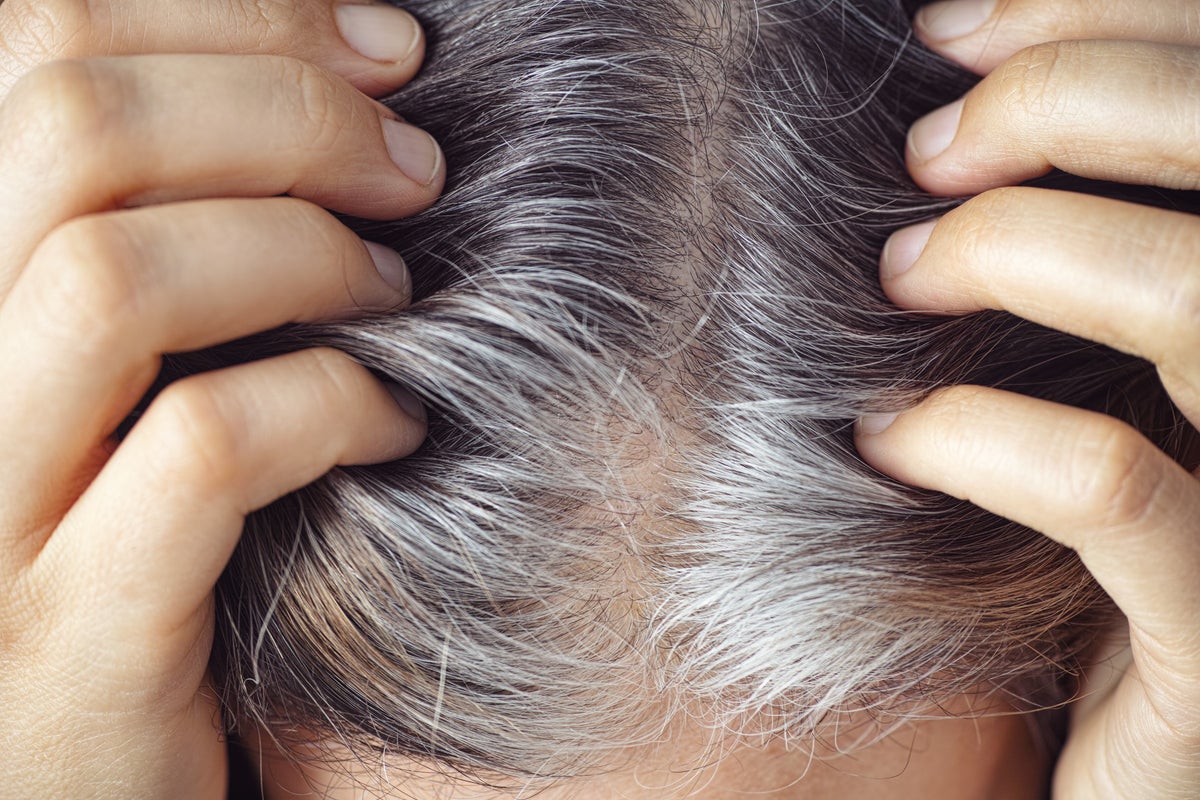
For generations, going gray has been viewed as a permanent milestone of aging. Once the pigment fades, most people assume there’s no natural way back. But emerging research is beginning to challenge that long-held belief.
What Causes Hair to Lose Color?
The shade of your hair depends on melanin — the same pigment that determines skin tone. Melanin is produced inside the hair follicle by cells known as melanocytes. As we grow older, these cells gradually slow down or stop producing pigment altogether.
When melanin production declines, new hair strands grow in without color, appearing gray or white.
Genetics plays the biggest role in when this process begins. However, lifestyle, health, and environmental stressors may influence how quickly it progresses.
Is the Process Always Permanent?
Recent scientific observations suggest that hair graying may not always be irreversible. In some cases, pigment-producing cells are not completely destroyed — they may simply become inactive.
Researchers studying hair follicles have found that:
-
Certain gray hairs have regained pigment over time.
-
Stress-related graying may reverse when the source of stress is removed.
-
Hair strands can show alternating bands of gray and natural color, reflecting biological changes happening during growth cycles.
These findings indicate that graying can sometimes be dynamic rather than final.
The Role of Stress
One of the most intriguing discoveries links emotional stress to hair color changes. Some studies have documented individuals whose hair began graying during periods of intense stress — and later partially regained color after stress levels dropped.
This doesn’t mean stress is the only cause of gray hair, but it suggests that the body’s internal environment influences pigmentation more than previously understood.
Why Age-Related Graying Is Harder to Reverse
When graying is purely age-driven, the situation is more complex. Over time, melanocyte stem cells inside the follicle can become depleted. If those cells are permanently lost, there may be nothing left to restart pigment production.
Scientists are currently investigating:
-
Ways to reactivate dormant pigment cells
-
Cellular aging pathways within hair follicles
-
Regenerative therapies targeting stem cells
However, these approaches are still in the research phase.
What This Means for the Future
There is currently no medical treatment that reliably restores natural hair color. But the growing understanding of how pigmentation works has opened new scientific possibilities.
While gray hair still marks the passage of time for most people, ongoing research suggests the story may not be as simple — or as irreversible — as once believed.
For now, reversing gray hair remains uncommon. But biologically speaking, the door may not be completely closed.

