

By John Umeh
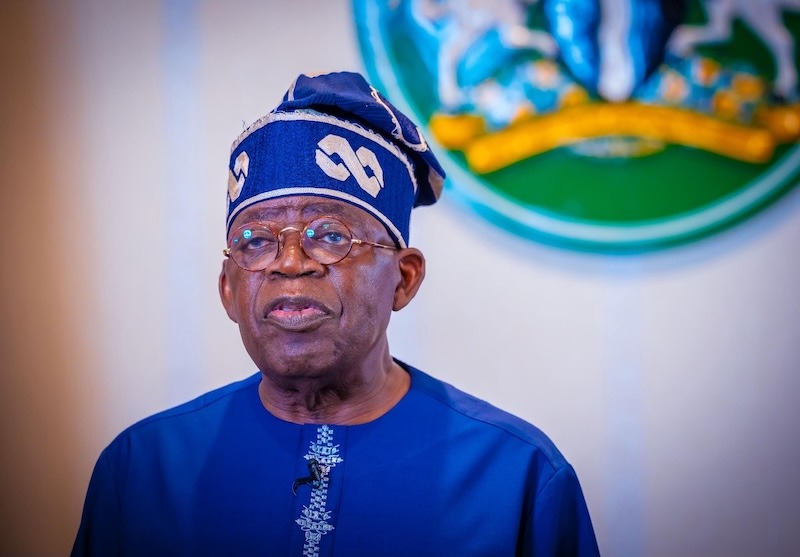
No one can say for sure now, but looking at what’s happening in Nigeria today, there are reasons to believe President Tinubu could win again in 2027 — and also reasons why it might be tough. Below is a breakdown of factors on both sides, followed by a reasoned forecast.
What works in Tinubu’s favour
-
Party Endorsement
The ruling All Progressives Congress (APC) has formally endorsed Tinubu to run for re-election in 2027. That gives him the institutional backing of his party, which matters a lot in Nigerian politics. -
Economic & Reform Agenda
His government has introduced big reforms (removal of fuel subsidies, unification of foreign exchange rates, etc.) which some analysts and institutions say are stabilizing or moving parts of the economy forward. If the visible effects of those reforms improve before the election, that could help his chances. -
Opposition Disunity / New Coalition
The opposition is trying to get its act together (e.g. new coalition(s)). But so far, APC remains better organized. Disunity among challengers often helps incumbents in Nigeria. -
Recognition that “Hard but Necessary” Policies
Some Nigerians seem slowly accepting painful reforms because they see them as necessary for long-term stability. While many are suffering now (inflation, insecurity, etc.), if narratives shift to “recovery” or “better path ahead,” that may help Tinubu.
What works against Tinubu
-
Low Approval Ratings & Public Discontent
Many polls show Tinubu’s approval on the lower side. For example, a recent Eagle Badger Data Analytics (EBDA) poll put his approval around 37.2% with a significant number disapproving. Public discontent especially around cost of living, inflation, unemployment, fuel subsidy removal, and insecurity remains strong. -
Economic Hardships
Inflation, currency depreciation, high cost of food, transportation etc. are serious burdens. Even if some reforms are working, many Nigerians still feel the pinch. If by 2027, the visible relief is limited or uneven, this could be a big liability. -
Security Challenges
Ongoing issues with banditry, kidnappings, communal violence, and other forms of insecurity remain a concern. If these persist or worsen, it could erode his support, particularly in volatile regions. -
Opposition Growing / New Alliances
The opposition is forming new coalitions (e.g. Africa Democratic Congress coalition). If these become credible alternatives, with strong, trusted candidates, they could challenge Tinubu’s re-election. -
Youth & Social Media / Voting Behavior
There is increasing awareness among younger voters, more activism, and more demand for accountability. If they feel promises aren’t being kept, turnout could shift away from the incumbent.
Key Uncertainties
-
How well the reforms deliver “feelable” impact (e.g. reduction in inflation, jobs, improved security) in the next 1-2 years.
-
How cohesive the opposition becomes — whether different opposition figures can unite behind one candidate.
-
How Tinubu’s party handles internal dissent, defections, and public perception (both within APC and across the country).
-
The role of electoral integrity, INEC’s performance, trust in elections, etc.
-
External shocks — e.g. global economic issues, oil price crashes, currency pressures, etc.
My Guess: Chances Are Mixed, Leaning Slightly Against
Putting it all together, I think Tinubu can win in 2027 — but it won’t be certain or easy. Right now, the odds seem not heavily in his favour. He’ll need to show substantial improvement in economic welfare and security, avoid major missteps, and ensure his support base remains motivated.
If I had to assign a probability, I might say there’s about a 55-60% chance he can get re-elected — but with a strong “if”: if his administration is seen as delivering on at least a few major fronts (cost-of-living relief, job creation, reduced insecurity). If not, then the likelihood could tip the other way.

