

By Gloria Nosa
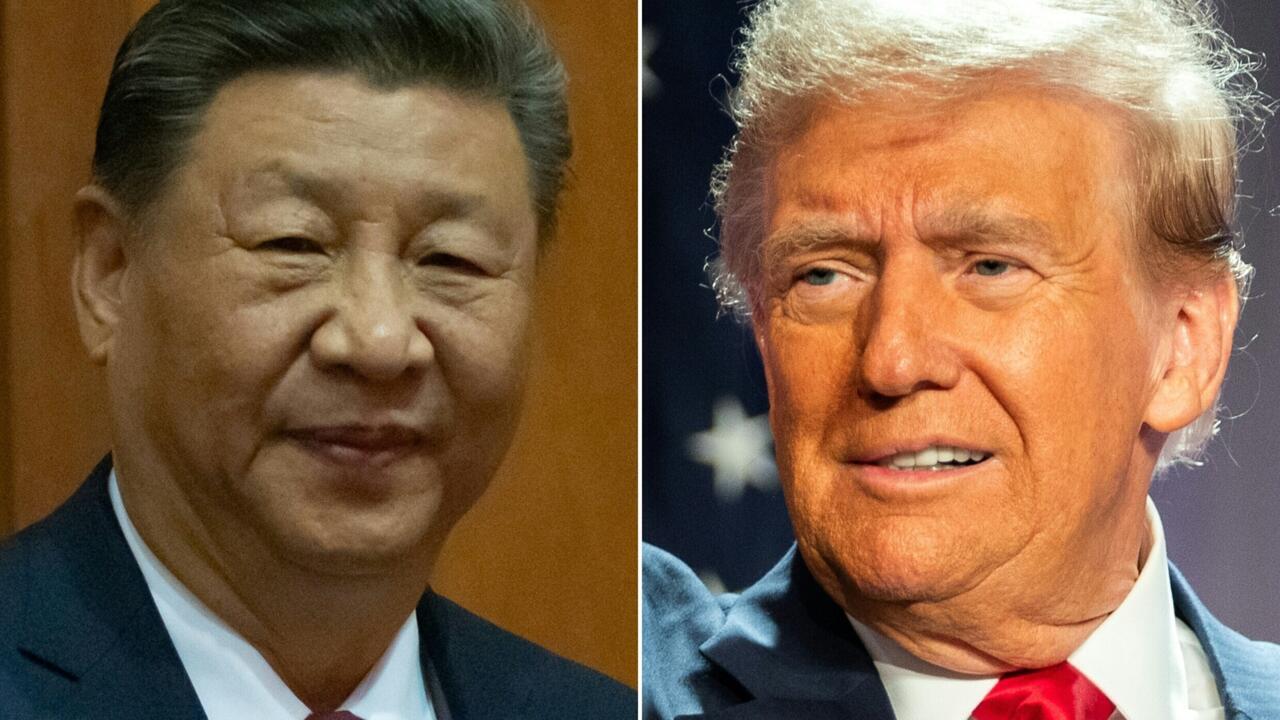
Beijing has declared its readiness to go “toe-to-toe” with Washington after U.S. President Donald Trump threatened to impose a fresh round of 100 percent tariffs on Chinese goods, intensifying fears of a full-blown trade war between the world’s two largest economies.
The new measures, unveiled in a fiery social media post on Friday, were framed as retaliation for China’s sweeping export restrictions on rare earth minerals—critical raw materials used in advanced electronics and defense systems. Rare earths remain an industry dominated by Beijing, giving China a powerful lever in the global supply chain.
Trump also revealed plans to introduce U.S. export controls on “all critical software” beginning November 1, a move analysts say could disrupt industries from artificial intelligence to telecommunications.
Markets reacted nervously to the escalation, with investors worried that the clash could derail a planned meeting between Trump and Chinese President Xi Jinping in South Korea later this year.
China’s Ministry of Commerce responded in a strongly worded statement on Tuesday, warning Washington against trying to balance threats with diplomacy.
“If the United States chooses confrontation, China will fight to the very end. If it chooses dialogue, our door remains open,” the ministry said. “But dialogue cannot exist alongside intimidation. This is not the proper way to engage with China.”
Trump later struck a softer tone in a Sunday post, insisting “it will all be fine” and suggesting the United States still wanted to “help” China.
Despite the heated rhetoric, China’s export data for September showed surprising strength. Overseas shipments surged 8.3 percent year-on-year, the fastest pace in six months, with exports to the U.S. climbing to $34.3 billion. Economists say this resilience highlights Beijing’s ability to withstand external pressure, even as new tariffs loom.
Currently, most Chinese goods already face at least 30 percent U.S. tariffs, while Beijing has countered with a 10 percent retaliatory tax on American imports. Trump has justified the escalation by accusing China of unfair trade practices and complicity in the fentanyl crisis.
The intensifying standoff comes just as global finance leaders gather in Washington for the IMF–World Bank annual meetings, where the broader economic fallout of the U.S.–China clash will dominate discussions.
While the White House maintains that tariffs will deliver long-term benefits to American industry, critics warn that the next phase of confrontation risks pushing global markets into deeper uncertainty.

