

By Gloria Nosa
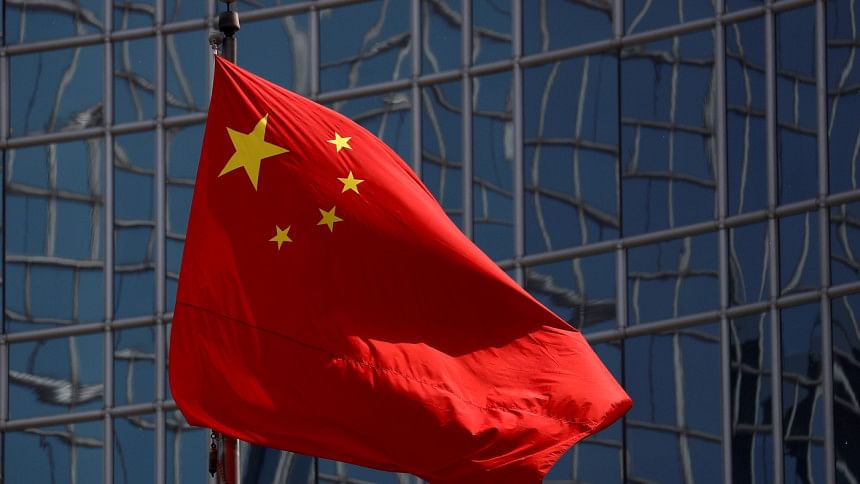
A new report has raised alarms over the growing debt burdens developing nations owe to China, warning of a “tidal wave” of financial pressure that could destabilize already fragile economies. The findings, published by a global finance watchdog, shed light on the increasing dependence of low- and middle-income countries on Chinese loans—particularly for infrastructure projects—and the long-term implications of this borrowing trend.
The report, compiled by Debt Justice and several international economic research institutions, reveals that Chinese lending has become the single largest source of bilateral debt in many African and Asian countries. With repayments rising sharply and economic growth slowing in parts of the Global South, countries are finding it increasingly difficult to meet their obligations.
China’s Expanding Role as a Global Creditor
Over the past two decades, China has transformed from a relatively minor lender into a major global financier through its Belt and Road Initiative (BRI). The initiative, which funds massive infrastructure projects such as roads, ports, and railways, has attracted dozens of developing countries with the promise of economic growth and modernization.
However, while these projects often provide short-term development boosts, the financial terms are now coming under scrutiny. According to the report, many of the loans were issued with limited transparency, relatively high interest rates, and short repayment periods. These conditions have made it difficult for poorer nations to renegotiate or defer repayments, especially in the wake of the COVID-19 pandemic, rising global inflation, and currency depreciation.
“Developing nations are caught in a tightening debt trap,” said Ayo Tunde, a debt policy analyst involved in the report. “What initially seemed like an opportunity for development has now become a source of economic vulnerability.”
Warning Signs and Economic Consequences
Several countries are already facing serious fiscal consequences. Sri Lanka, for instance, made global headlines when it defaulted on its external debt in 2022, with a significant portion owed to China. Similarly, countries such as Zambia, Pakistan, and Ethiopia have struggled to service their Chinese debts and have had to turn to the International Monetary Fund (IMF) for emergency assistance.
The report notes that more than 50 developing nations now spend a large percentage of their annual budgets repaying external debt—much of it to China. This debt servicing is crowding out essential government spending on healthcare, education, and poverty alleviation.
“The human cost of this debt crisis is becoming clearer,” the report states. “As governments shift funds to repay creditors, their citizens are left to bear the burden through austerity and reduced public services.”
China Responds with Mixed Signals
China has pushed back on criticism, arguing that its loans support critical infrastructure that Western institutions have long neglected. Chinese officials emphasize that many loans are tied to productive investments that will boost long-term growth in recipient countries.
However, Beijing’s approach to debt restructuring has been criticized for being opaque and inconsistent. Unlike multilateral lenders such as the World Bank or IMF, China often negotiates restructuring deals in secret, on a case-by-case basis, making it difficult for debtor nations to coordinate broader relief efforts.
In response to the growing criticism, Chinese authorities have recently pledged to improve transparency and increase cooperation with other lenders. Yet analysts warn that without significant policy changes, the debt burden could push several developing economies into deeper financial distress.
The Call for a Coordinated Global Response
As the debt crisis deepens, experts and advocacy groups are calling for more coordinated global action. Recommendations include improving debt transparency, establishing fairer lending practices, and creating multilateral frameworks to ease the burden on struggling nations.
The report concludes by stressing the urgency of the situation: “Without meaningful reforms and international cooperation, a growing number of countries risk sliding into prolonged economic stagnation—or worse, default.”
For now, the warning is clear: the developing world’s mounting debt to China is not just an economic issue, but a growing threat to global financial stability.

