

By Gloria Nosa
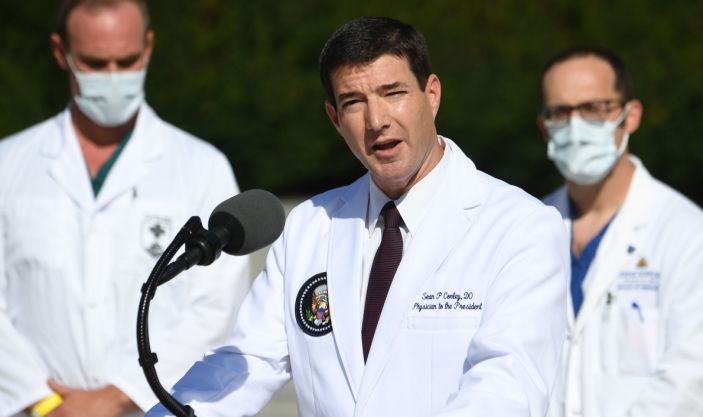
Doctors in England have voted to proceed with a five-day strike beginning this week, despite a sharp surge in what health officials describe as a “super flu” outbreak sweeping across the country during the peak Christmas period.
The decision was confirmed on Monday by the British Medical Association (BMA) after so-called resident doctors rejected a fresh pay offer from the government. The industrial action is scheduled to begin at 7:00 am on Wednesday.
Prime Minister Keir Starmer strongly criticised the move, describing it as “irresponsible” and warning that the striking doctors risk losing public and professional support within the state-funded National Health Service (NHS).
The strike comes at a time when hospitals across England are under growing strain. According to NHS data released last Thursday, flu-related hospital admissions rose by 55 per cent in just one week, reaching an average of 2,660 patients per day — the highest level recorded for this time of year.
The NHS remains a central political issue in the UK, with Starmer’s Labour government facing mounting pressure to reduce long waiting times and ease pressure on overstretched hospitals.
If it goes ahead as planned, the action from Wednesday will mark the 14th strike by doctors since March 2023. Repeated walkouts by resident doctors and consultants have already disrupted efforts to clear patient backlogs and stabilise healthcare services.
Resident doctors — who are below consultant rank — remain locked in a dispute with the government over pay levels and limited training opportunities. While the government approved a cumulative 28.9 per cent pay increase for doctors over the past three years in 2024, the BMA argues that the rise falls short of restoring wages eroded by years of below-inflation settlements.
The union is demanding an additional 26 per cent pay increase, insisting it is necessary to achieve full pay restoration and retain doctors within the NHS amid growing workload pressures and staff shortages.

