

By Gloria Nosa
Offshore Correspondent

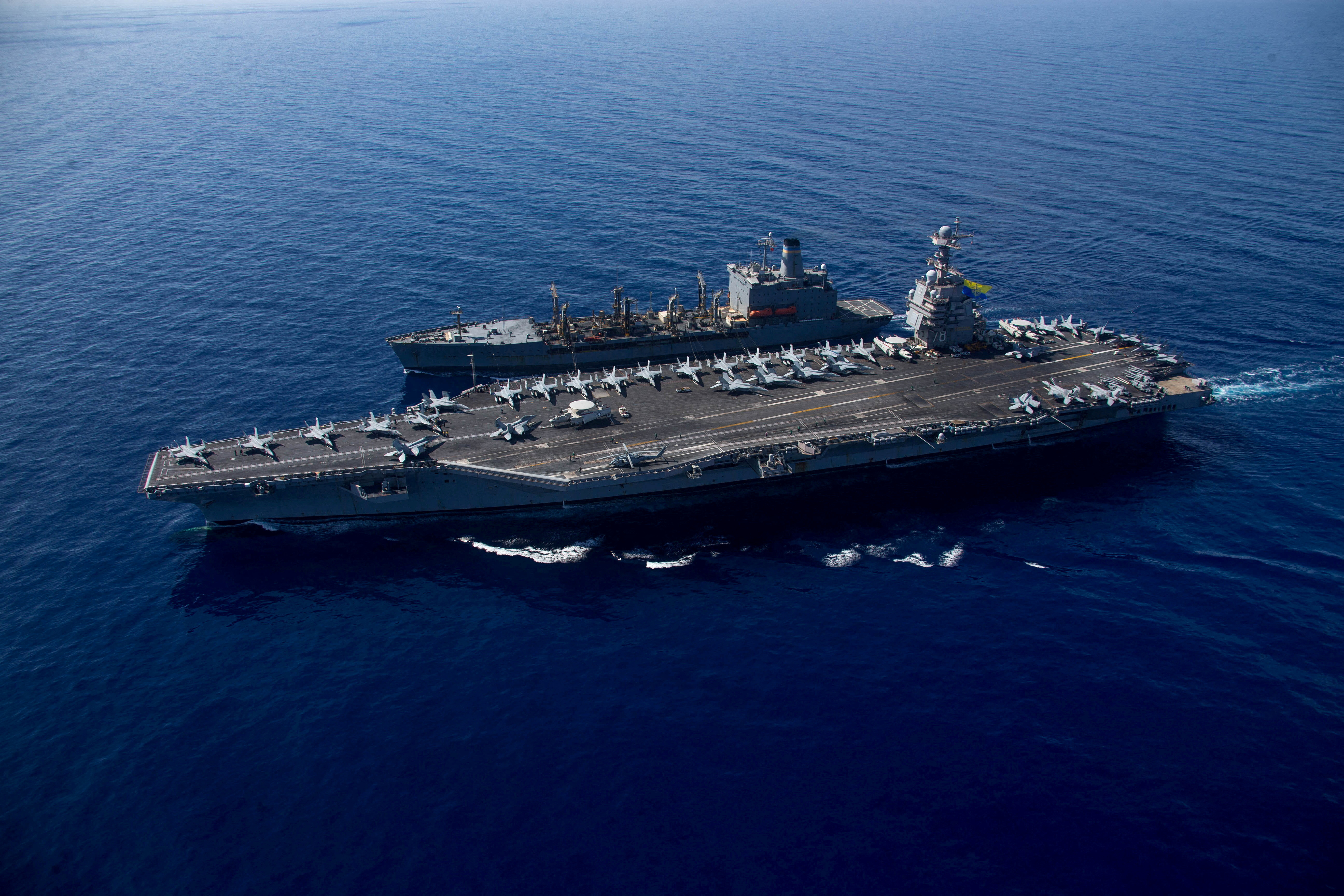
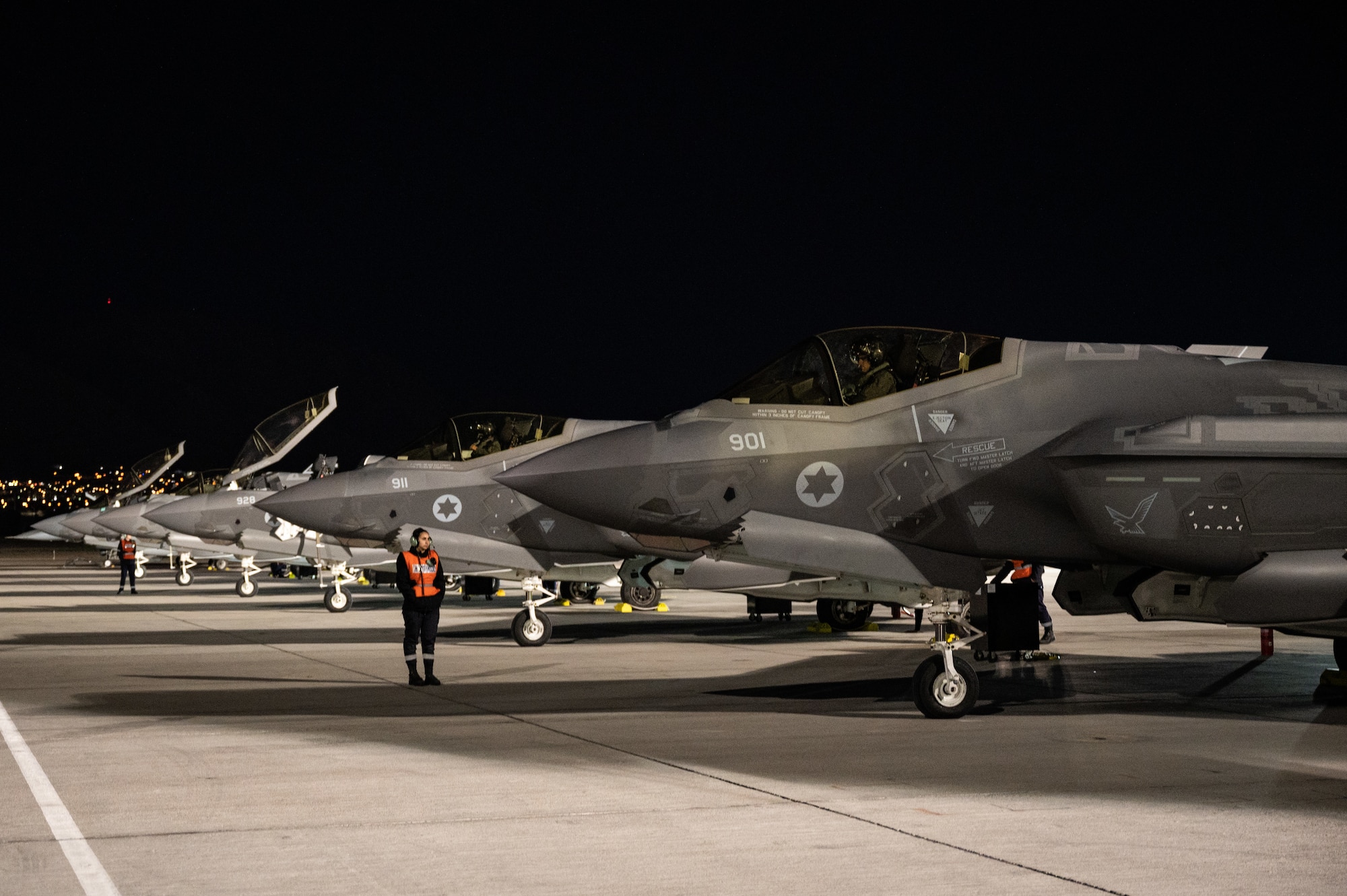
Washington is witnessing rising tension as President Donald Trump edges closer to the possibility of military confrontation with Iran, following stalled diplomatic efforts and a major expansion of U.S. military assets across the Middle East.
A recent report by Axios suggests that if military action were to occur, it would likely go far beyond a single, limited strike. Officials familiar with internal discussions reportedly believe any operation could stretch over several weeks and may involve coordination with Israel.
Diplomacy on Shaky Ground
Earlier this week, senior Trump advisers — including Jared Kushner and Steve Witkoff — met in Geneva with Iran’s Foreign Minister, Abbas Araghchi, in an attempt to ease tensions.
Both sides publicly described the talks as constructive. However, behind closed doors, U.S. officials reportedly concede that key disagreements remain unresolved. Vice President JD Vance acknowledged that while certain aspects of the negotiations were productive, Tehran has yet to meet core American demands. He warned that diplomatic efforts could reach what he termed their “natural conclusion” if progress stalls.
Despite ongoing discussions, optimism for a breakthrough appears limited.
Massive Military Buildup
At the same time, the Pentagon has significantly reinforced its footprint in the region. The current U.S. deployment reportedly includes:
-
Two aircraft carrier strike groups
-
Around a dozen naval warships
-
Hundreds of fighter aircraft
-
Advanced air defense systems
-
Over 150 military cargo flights delivering weapons and equipment
In just the last 24 hours, additional F-35s, F-22s, and F-16 fighter jets have been dispatched.
Defense analysts say the scale of the buildup indicates preparation for multiple contingencies, ranging from deterrence to sustained combat operations.
Israel’s Role and Regional Stakes
Israeli officials are also said to be bracing for potential escalation. Any coordinated action between Washington and Jerusalem would dramatically heighten regional tensions and could trigger responses from Iranian-backed groups across the Middle East.
A conflict of this magnitude would carry enormous consequences — not only for regional stability but also for global energy markets and U.S. foreign policy for the remainder of Trump’s presidency.
Political Calculations
The prospect of military action has sparked quiet discussions within Washington. Some lawmakers, including Senator Lindsey Graham, suggest that any decision remains weeks away. Others indicate that the president’s patience is wearing thin.
Earlier in the year, Trump reportedly weighed military options following Iran’s domestic unrest but chose restraint. Since then, the White House has pursued a dual-track strategy: maintaining diplomatic channels while steadily strengthening military leverage.
Whether diplomacy prevails or military action follows may depend on developments in the coming days. For now, the Middle East remains on edge as both sides calculate their next move.

