

By Geraldine Ohonba
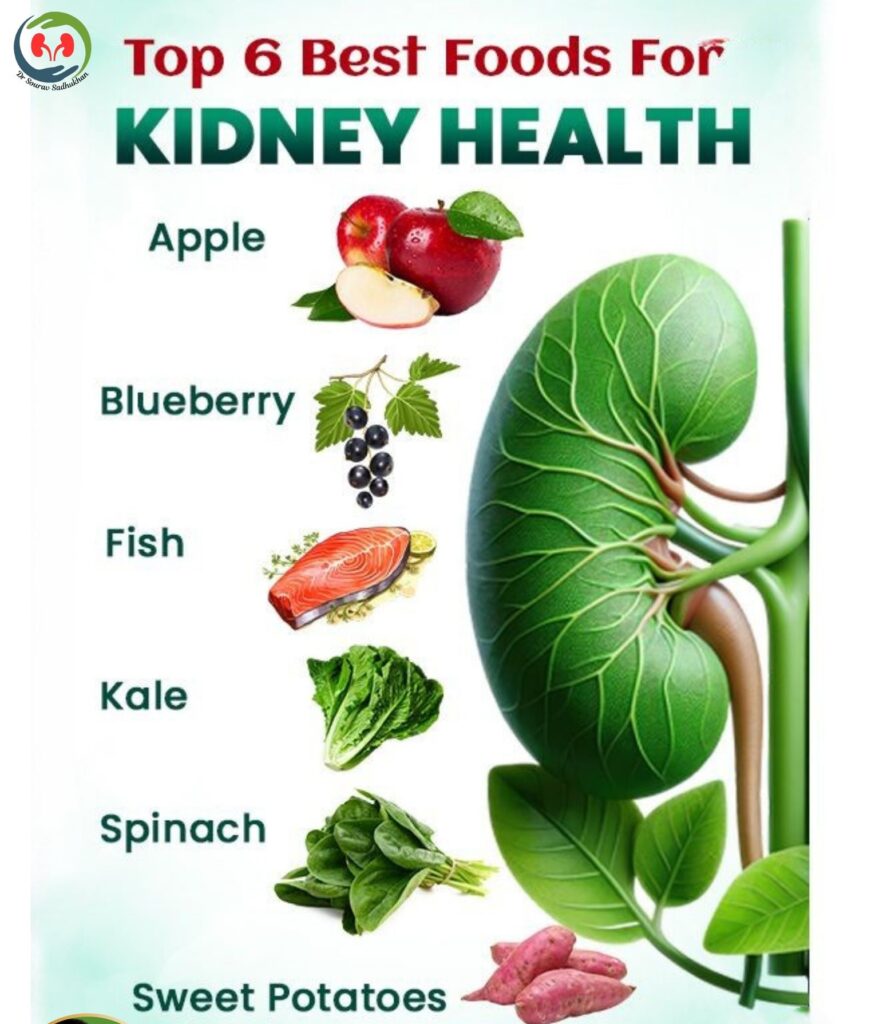
When we think about food and health, we often focus on what we eat, not how it’s cooked. But nutrition experts caution that the method of preparing a meal can make a big difference—sometimes putting unnecessary stress on the kidneys, the body’s natural filters.
Why the Kidneys Are at Risk
The kidneys regulate fluid balance, filter toxins, and control blood pressure. Meals that are overloaded with sodium, sugar, or unhealthy fats make these organs work overtime. Over the years, this can lead to chronic kidney disease, high blood pressure, and even heart complications.
Cooking Styles to Watch Out For
1. Heavily braised dishes
Braising often involves long cooking times with strong seasonings like soy sauce, fish sauce, or salt. Because food soaks up these flavors, it becomes high in sodium, which can raise blood pressure and overload the kidneys.
2. Deep-frying
Fried foods are packed with unhealthy fats and oil, which increase cholesterol and cause weight gain. Obesity and high cholesterol are two major risk factors for kidney disease.
3. Grilling or barbecuing with too much seasoning
While grilling sounds healthy, heavy marinades filled with salt, sugar, or sauces can create hidden kidney risks. Burnt or charred food may also form compounds that stress the body.
4. Sugary cooking methods
Adding sugar to sauces, glazes, or stews without control can quickly raise calorie intake. High sugar diets often lead to diabetes, one of the leading causes of kidney damage.
Safer Approaches in the Kitchen
Experts recommend lighter cooking styles such as steaming, boiling, or stir-frying with minimal oil. These methods preserve nutrients while avoiding excess salt, sugar, and fat. Flavor can be enhanced naturally with spices like garlic, turmeric, ginger, or herbs, which don’t harm the kidneys.
Practical Tips for Kidney-Friendly Meals
-
Keep salt intake below 5 grams per day (about one teaspoon).
-
Replace processed sauces with fresh herbs and natural seasonings.
-
Balance each meal with vegetables, lean proteins, and whole grains.
-
Limit fried and braised dishes to occasional treats, not daily staples.
Final Word
Kidney disease develops quietly and often shows no warning signs until it becomes severe. By being mindful of cooking techniques—not just ingredients—you can protect your kidneys and support long-term health.

