

By Geradine Ohonba
Health Editor/Columnist
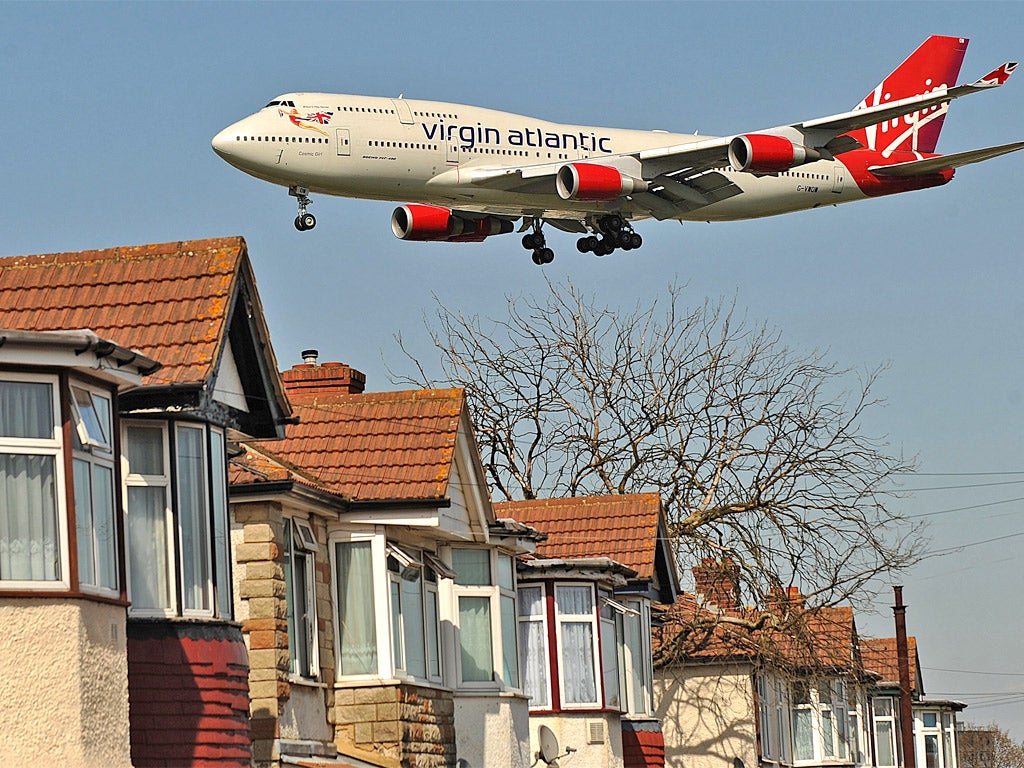
Living near an airport might offer convenience, but health experts warn that the environmental trade-offs can come at a significant cost. A growing body of research shows that the constant roar of jet engines and exposure to aircraft emissions may negatively affect the health and well-being of residents who live within close range of major airports. From sleep disruption to cardiovascular problems, the hidden health effects are now coming into clearer focus.
Noise Pollution: The Invisible Threat
One of the most immediate and obvious issues associated with living near an airport is chronic noise pollution. The sound of aircraft taking off and landing—especially during nighttime hours—can have serious long-term effects on both physical and mental health.
According to the World Health Organization (WHO), exposure to persistent noise above 55 decibels (the sound level of an average conversation) is linked to an increased risk of hypertension, sleep disturbances, and even heart disease. Near busy airports, noise levels can frequently exceed 70 decibels, especially during peak traffic hours.
Sleep researchers have found that nighttime aircraft noise interferes with deep sleep cycles, reducing sleep quality and contributing to fatigue, stress, and impaired cognitive function throughout the day. Children in particular are vulnerable; studies suggest that those living near airports perform worse in reading and memory-based tasks compared to peers in quieter environments.
Air Quality and Toxic Exposure
Aside from noise, air pollution is another major concern. Aircraft engines emit a cocktail of harmful substances, including nitrogen dioxide (NO₂), sulfur oxides, volatile organic compounds (VOCs), and ultrafine particulate matter (UFPs). These pollutants can linger in the surrounding air and pose serious respiratory and cardiovascular risks.
Research conducted around major international airports—such as Heathrow (London), LAX (Los Angeles), and Schiphol (Amsterdam)—shows that people living within a 10-kilometer radius often face elevated risks of asthma, bronchitis, and lung inflammation, particularly children, the elderly, and individuals with pre-existing respiratory issues.
A 2020 study from the University of Washington even found that neighborhoods downwind of airports had significantly higher concentrations of ultrafine particles, which are small enough to enter the bloodstream and affect organs like the brain and heart.
Mental Health Impacts
The continuous stress caused by noise and air pollution can also take a toll on mental health. People living near airports are more likely to report symptoms of anxiety, depression, and chronic stress. Constant exposure to disruptive noise can activate the body’s stress response, leading to elevated cortisol levels, mood swings, and decreased quality of life.
For communities already facing socioeconomic challenges, living near an airport can compound stress and reduce access to health-promoting environments such as parks, green spaces, and safe recreational areas.
The Long-Term Outlook
While living near an airport might save time on travel, experts urge individuals and policymakers to consider the long-term public health implications. Urban planners and environmental health researchers are calling for greater transparency, stricter regulation of noise levels, and improved air quality monitoring around airport zones.
Some potential mitigation strategies include:
-
Installing double-glazed windows and soundproofing homes.
-
Enforcing curfews on night-time flights.
-
Creating buffer zones with green infrastructure.
-
Investing in cleaner aviation technologies and improved emissions standards.
Weighing Convenience Against Health
The health effects of living close to airports are no longer speculative—they’re well-documented and increasingly concerning. As air travel continues to grow and airports expand, it’s crucial for individuals, governments, and health agencies to work together to minimize harm to surrounding communities.
Convenience should never come at the cost of well-being. For those living near an airport, awareness is the first step in taking protective measures—and advocating for policies that prioritize both connectivity and public health.


