

The Philippine government has declared a national energy emergency amid growing concerns that the ongoing Middle East conflict could disrupt fuel supplies and destabilise the country’s power sector.
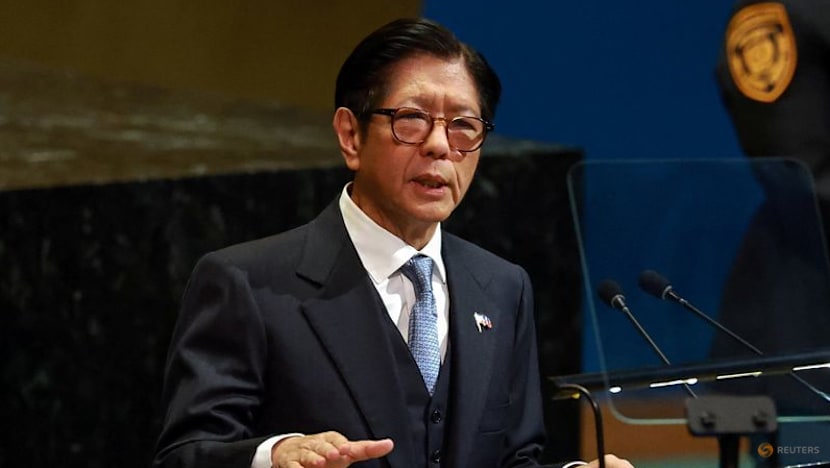
President Ferdinand Marcos Jr. announced the measure through an executive order issued on Tuesday, warning that escalating tensions in the Middle East pose an immediate risk to the availability and affordability of energy in the country.
The directive authorises authorities to implement urgent interventions to safeguard fuel supplies and cushion the impact of rising global oil prices. Officials said the declaration allows for swift and coordinated actions to address potential disruptions affecting both the energy market and the broader economy.
Under the emergency plan, the Department of Energy Philippines has been empowered to secure fuel supplies through advance procurement arrangements. The government also plans to clamp down on hoarding and price manipulation in the petroleum sector.
In addition, transport regulators may introduce fuel subsidies, reduce toll charges, and review aviation-related fees to ease pressure on consumers and businesses.
Energy Secretary Sharon Garin said authorities are also considering increasing power generation from coal-fired plants as global liquefied natural gas prices surge. She described the move as temporary but necessary to stabilise electricity supply.
The Philippines currently generates roughly 60 percent of its electricity from coal and relies heavily on imported fuel, making it vulnerable to global market fluctuations. Officials are therefore exploring the option of boosting coal imports from Indonesia to support energy production.
Garin added that the measures are aimed at limiting electricity price increases and maintaining stable supply during the crisis.
Authorities are also examining long-term solutions, including new natural gas prospects near the Malampaya gas field, which currently provides a significant share of electricity to Luzon.
The emergency declaration underscores the Philippines’ vulnerability to global energy shocks, particularly as the Middle East conflict continues to disrupt international fuel markets.

