

By John Umeh
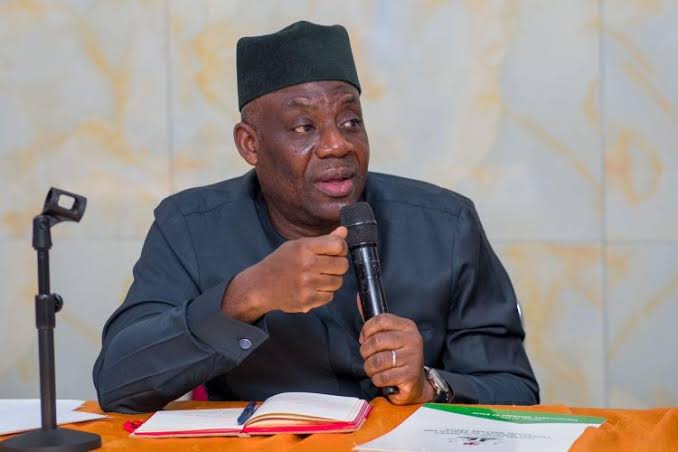
The Federal Government has introduced a sweeping change to Nigeria’s tertiary admission policy, scrapping Mathematics as a compulsory subject for students applying to arts and humanities programmes.
The update, announced Tuesday through the Federal Ministry of Education in its newly issued National Guidelines for Entry Requirements into Nigerian Tertiary Institutions, marks one of the most significant adjustments in decades to the country’s education framework.
For years, Mathematics and English Language have been mandatory subjects for all admission seekers, regardless of discipline. Under the revised policy, English Language remains compulsory across all fields, while Mathematics will only be required for candidates applying to science, technology, engineering, vocational, and social science courses.
According to the Ministry’s spokesperson, Folasade Boriowo, the move is intended to strike a balance between inclusivity and academic rigor:
“This reform is designed to widen access to higher education for thousands of students who are strong in the arts but often restricted by Mathematics requirements. Standards remain intact, but barriers are being removed.”
Breakdown of the New Policy
-
Universities: A minimum of five credit passes including English is mandatory for admission. Mathematics is no longer required for Arts and Humanities.
-
Polytechnics: For National Diploma (ND) admissions, four credits are required, including English for non-science courses and Mathematics for science-based programmes. At the Higher National Diploma (HND) level, five credits including English and Mathematics are still compulsory.
-
Colleges of Education: English remains compulsory for Arts and Social Science applicants, while Mathematics remains necessary for Science, Vocational, and Technical education candidates.
Speaking on the development, the Minister of Education, Dr. Maruf Tunji Alausa, described the reform as a bold step towards equity in the education system.
“This adjustment reflects our commitment to providing fair opportunities for all categories of students. We are ensuring that talented candidates in the arts and humanities are no longer unfairly held back by requirements that do not align with their field of study,” he said.
Education experts say the policy could significantly increase enrollment in arts and humanities programmes nationwide, especially for students who had repeatedly been denied admission due to their struggles with Mathematics.
The reform is expected to take effect in the 2025/2026 admission cycle across universities, polytechnics, colleges of education, and innovation enterprise institutions.

