

By John Umeh
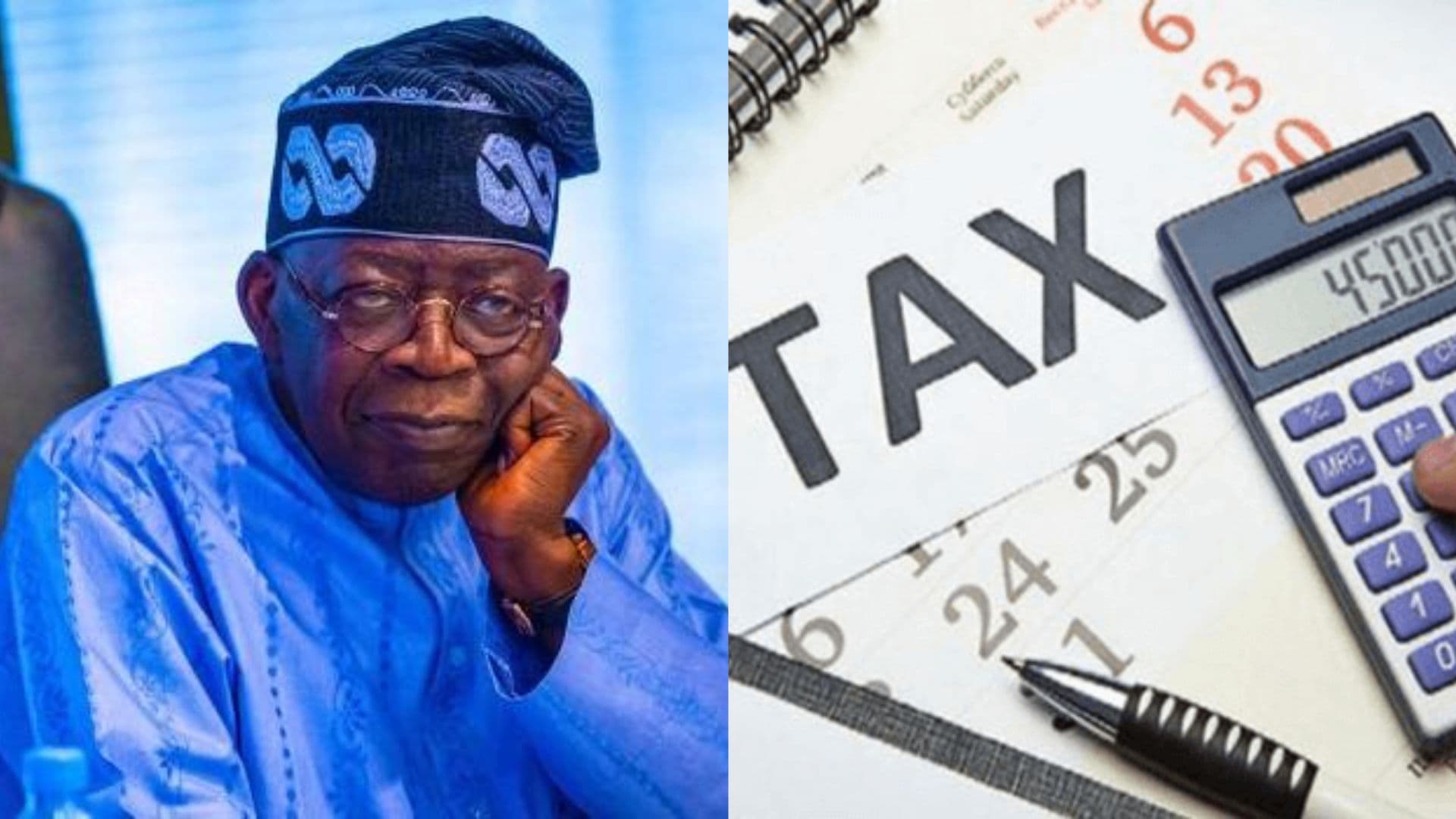
Nigeria Prepares for Fiscal Transformation with Digital-First Reforms
With less than three months until Nigeria’s new tax regime takes effect in January, the Federal Government has initiated an ambitious overhaul of the country’s public finance management system. The reforms, led by the Ministry of Finance, are designed to modernize revenue collection, promote transparency, and strengthen fiscal accountability through aggressive digital transformation and institutional restructuring.
At the heart of the initiative is a plan to reduce the nation’s overdependence on oil revenue by expanding the non-oil tax base, sealing revenue leakages, and ensuring that every kobo due to the federation is accounted for. According to government officials, the move signals a “decisive shift toward sustainable public finance” and will lay the foundation for Nigeria’s long-term economic resilience.
The comprehensive plan includes the transition of the Federal Inland Revenue Service (FIRS) into the National Revenue Service (NRS) — a centralized revenue authority expected to absorb the revenue functions of the Nigeria Customs Service (NCS) and other related bodies. The reform is scheduled to take full effect in January 2026, marking what many describe as the most significant structural change in Nigeria’s fiscal system in decades.
Digitalisation at the Core: Ending Human Interference
A major pillar of the government’s fiscal reform is automation. The Ministry of Finance has already launched a suite of digital platforms, including the Federal Treasury Receipt (FTR) and the Central Billing System (CBS), aimed at eradicating manual processing, improving accuracy, and enhancing transparency.
The FTR provides a standardized, digitally verifiable proof of all payments made into federal accounts — a first in Nigeria’s financial administration. Each digital receipt corresponds to actual funds received by the government, thereby eliminating ghost transactions and fraudulent entries that have historically undermined public trust.
Complementing the FTR is the CBS, which standardizes pricing and billing for government services. Both systems are integrated under the Revenue Optimisation and Assurance Project (REV-OP), launched in mid-2025, to digitize all revenue inflows and reconcile collections in real time.
Speaking at the launch, Minister of Finance and Coordinating Minister of the Economy, Wale Edun, hailed the initiative as “the dawn of a new era of transparency and accountability.”
“By ensuring that every kobo due to the government is tracked and reconciled digitally, we are safeguarding national resources and creating fiscal space to invest in education, healthcare, and infrastructure — the pillars of national growth,” Edun stated.
Currently, the FTR and CBS are undergoing pilot testing across ten federal agencies, with a nationwide rollout expected by December 2025.
Building a Stronger Fiscal Base: Targeting 18% Tax-to-GDP Ratio
Nigeria’s tax-to-GDP ratio, estimated at 10%, is one of the lowest in Africa. The Tinubu administration’s target is to raise it to 18% within three years, surpassing the continental average of 16%. The government believes that with digital monitoring, institutional reform, and improved compliance, this goal is attainable.
The FIRS, which remains the single largest contributor to federal revenue, has already undergone extensive restructuring. Under the leadership of Dr. Zacch Adedeji, the service introduced a new classification system that segments taxpayers by business size — large, medium, small, and micro — to tailor tax services and promote voluntary compliance.
In 2024, FIRS set a record by collecting ₦21.6 trillion, surpassing its ₦19.4 trillion target and outperforming the previous year’s collection by over 70%. The agency credits this success to TaxPro Max, its digital filing platform, and the integration of artificial intelligence (AI) for real-time audit tracking.
AI-driven analysis, according to the FIRS, has exposed major underreporting in sectors such as construction, maritime, and hospitality, enabling the government to recover billions in unpaid taxes.
Customs, Ports, and Treasury Go Digital
The Nigeria Customs Service (NCS) has also embraced automation with the introduction of its end-to-end e-Customs platform, designed to streamline trade facilitation and reduce corruption at ports and border points.
Comptroller-General Adewale Adeniyi stated that the system automates the entire cargo clearance process — from manifests to duty payments — eliminating unnecessary human interaction that previously created loopholes for manipulation.
To further enhance efficiency, the NCS is collaborating with the Nigerian Ports Authority (NPA) and the Central Bank of Nigeria (CBN) to harmonize trade documentation, cut down on overlapping clearance procedures, and reduce the cost of doing business.
Meanwhile, the Ministry of Finance is tackling one of the most persistent problems in Nigeria’s fiscal structure — the high cost of revenue collection. In 2024, collection expenses retained by revenue agencies exceeded ₦920 billion, a figure officials now describe as “unsustainable.”
The new fiscal directive mandates that all revenue-generating agencies, including FIRS, NCS, and the Nigerian Upstream Petroleum Regulatory Commission (NUPRC), must remit gross revenues directly to the national treasury, rather than deducting operational costs upfront.
A New Dawn of Fiscal Accountability
Through the Revenue Optimisation and Assurance Project (REV-OP), the government now has real-time visibility into all federal inflows across ministries and agencies. The platform enables data-driven fiscal planning, helping to close leakages and improve predictability in national budgeting.
Minister Wale Edun described REV-OP as a “transformational leap” that will “integrate every revenue-generating institution into a single, transparent ecosystem.”
Experts say these reforms could help Nigeria significantly reduce its dependence on borrowing and create fiscal stability to support long-term development.
For the first time, the Treasury can monitor agency performance by sector and region, ensuring that public funds are efficiently collected, reconciled, and deployed.
As the January 2026 tax regime approaches, Nigeria stands at a turning point — moving from an era of opaque fiscal operations to one defined by data, transparency, and digital control.
The success of these reforms, however, will depend on political will, institutional discipline, and the government’s ability to sustain momentum beyond the pilot phase.

