

By John Umeh
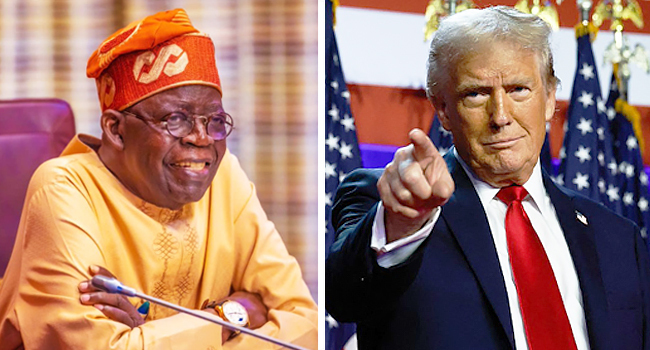
The Federal Government of Nigeria has confirmed that it is currently in diplomatic discussions with authorities in the United States following President Donald Trump’s recent military threat against Nigeria.
The Minister of Information and National Orientation, Mohammed Idris, disclosed this in an interview with Sky News, stating that both nations have opened communication channels to de-escalate tensions and address what he described as “misunderstandings” surrounding the situation in Nigeria.
“Channels of communication have been opened. I can confirm that we are talking with them, and I think they are beginning to understand the situation better,” Idris said. “Much of the information they have is based on a lack of understanding of the diversity and complexity of the issues we are dealing with.”
Idris reiterated that Nigeria remains committed to combating terrorism and has not lost any of its territory to insurgents. He emphasized that the fight against Boko Haram and other extremist groups is unconventional warfare, requiring patience and international cooperation.
The minister also alleged that certain proscribed groups in Nigeria are working with lobbyists in the United States to misrepresent the country’s security situation and promote misleading narratives about religious persecution.
“We are seeing a direct connection between some US lobbyists and a proscribed terrorist organization in Nigeria,” he said. “They have set up a lobby in the US and are contacting high-ranking individuals to misinform them.”
While acknowledging the longstanding partnership between Nigeria and the US in counterterrorism efforts, Idris expressed surprise at the tone of recent statements coming from Washington, particularly regarding alleged religious intolerance in Nigeria.
He urged the US government and international community to take into account the complexities of Nigeria’s ethnic and religious diversity, emphasizing that the Nigerian constitution guarantees freedom of religion and equality for all citizens.
“Some of the assumptions being made are based on data that cannot stand scientific scrutiny,” he said. “Nigeria remains a multi-faith nation, and the conflict we face is not rooted in religious persecution.”
President Trump had, two weeks ago, redesignated Nigeria as a “Country of Particular Concern” over what he termed the “killing of Christians in Nigeria,” threatening military intervention if the Federal Government failed to curb the violence.
In response, the Nigerian government has called for calm and mutual understanding, stressing that diplomatic dialogue — not threats — remains the best path forward for both nations.

