

By John Umeh
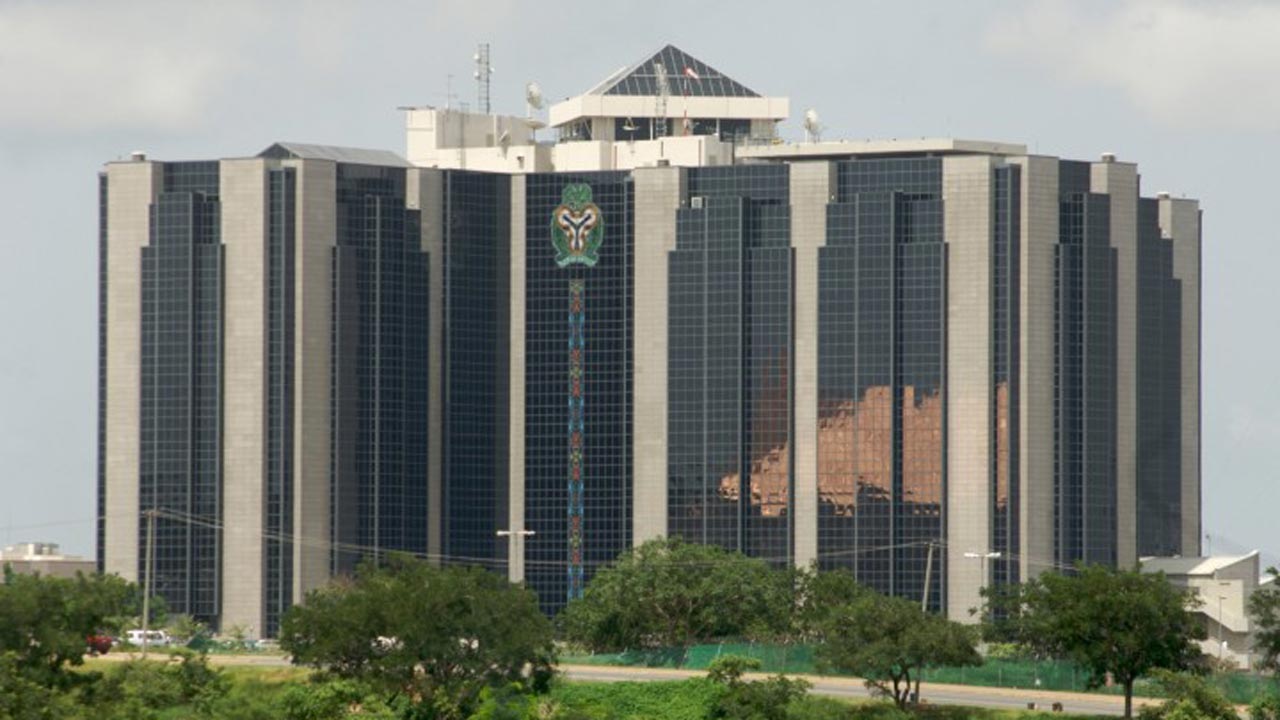
In a significant development for Nigeria’s financial sector, five leading commercial banks have successfully met the Central Bank of Nigeria’s (CBN) recapitalisation target well ahead of the stipulated deadline. This achievement marks a major milestone in the apex bank’s strategic drive to strengthen the resilience, liquidity, and global competitiveness of the nation’s banking industry.
The CBN, earlier this year, mandated all commercial banks operating with international and national licenses to raise their minimum capital base to ₦500 billion and ₦200 billion respectively. The directive, which came in response to inflationary pressures, exchange rate fluctuations, and increased demands for robust capital structures, set a clear deadline of March 2026 for full compliance.
However, five banks—Access Holdings, Zenith Bank, FBN Holdings, United Bank for Africa (UBA), and Guaranty Trust Holding Company (GTCO)—have now confirmed through audited reports and official statements that they have met or exceeded the new capital thresholds through a mix of rights issues, reinvested profits, strategic mergers, and foreign capital inflows.
Early Compliance: A Strategic Move
According to financial analysts, the early compliance is not merely a sign of financial strength but a calculated move to attract investor confidence and market stability. These banks, which account for a significant portion of Nigeria’s banking assets, are positioning themselves to dominate the post-recapitalisation landscape and expand aggressively into regional and global markets.
Zenith Bank, for example, announced that it had raised over ₦600 billion through a combination of rights issuance and retained earnings, while Access Holdings completed a tiered capital raising program that brought in both domestic and foreign investment. UBA, already with a strong pan-African footprint, utilized its continental network to shore up capital through subsidiaries, and GTCO leveraged its diverse non-banking subsidiaries to boost shareholder value and attract equity.
CBN Commends Progress
In a press briefing in Abuja, the CBN commended the banks for their proactive approach and encouraged other institutions to follow suit. “The goal of the recapitalisation programme is not to punish or sideline any player,” a CBN spokesperson stated. “Rather, it is to fortify the system against economic shocks and prepare the sector for the next phase of financial innovation and global competition.”
The regulator also hinted at possible incentives for early-compliant banks, including priority in licensing for new product segments and support for offshore expansions.
Implications for the Sector
The success of these five banks in meeting the recapitalisation targets early has created a ripple effect across the industry. Smaller and mid-tier banks are now exploring merger options, private placements, and foreign partnerships to meet the same goals. Experts anticipate a wave of consolidation in the coming quarters, which could ultimately reduce the number of commercial banks but significantly boost their capacity.
Investors and depositors are already responding to the news with renewed confidence, as the Nigerian Stock Exchange (NGX) reported increased trading volumes and share price appreciation in the banking sector.
Conclusion
The early compliance of these five banks with the CBN’s recapitalisation target underscores the growing maturity and resilience of Nigeria’s financial sector. As the March 2026 deadline approaches, industry watchers will be monitoring how the remaining banks respond, and what long-term transformations the recapitalisation drive will bring to the Nigerian economy.

