By Jite Philomena
For Tech Info News
-
Meet the Digital Brain: How Humanoids Learn Like Humans
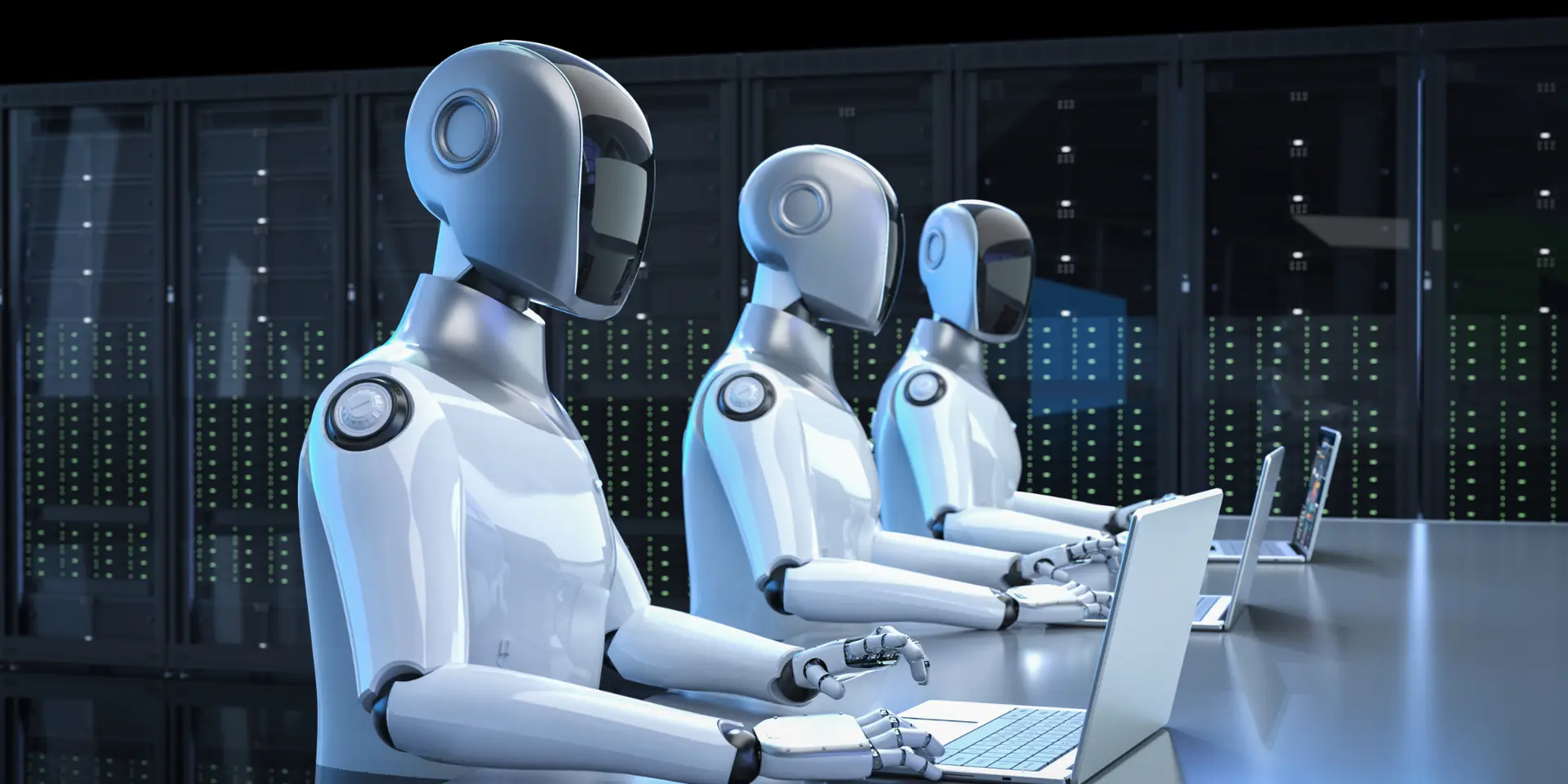
The evolution of artificial intelligence has entered a transformative phase. Once limited to lines of code and software running silently behind screens, AI is now taking shape—literally—in the form of humanoid robots. What was once confined to science fiction is becoming a tangible reality, as companies like NVIDIA, Tesla, and Figure AI push the boundaries of robotics, engineering, and machine learning. The journey from abstract algorithms to lifelike androids marks a pivotal moment in technological history, one that could redefine the relationship between humans and machines.
The Algorithmic Foundations of Humanoids
At the core of humanoid robots lies a vast and complex architecture of algorithms. These systems are built on foundational models such as deep learning, reinforcement learning, and computer vision. Neural networks process visual, auditory, and tactile data, enabling machines to perceive and interact with their environment. Reinforcement learning allows robots to improve their performance over time by trial and error, mirroring the way humans learn from their experiences.
NVIDIA has emerged as a leader in this space, providing the computational horsepower needed for real-time processing and simulation. With platforms like CUDA, TensorRT, and their powerful GPUs, the company supplies the infrastructure that allows humanoids to operate fluidly in complex environments.
Simulation: The Crucible of Robot Training
One of the most significant breakthroughs in recent years is the ability to train humanoids in high-fidelity simulations before deploying them in the physical world. NVIDIA’s Isaac Sim, for instance, enables developers to create photorealistic and physics-accurate virtual environments. These simulations serve as a risk-free training ground where robots can be taught to walk, grasp objects, navigate space, and interact with humans—all without breaking a single part or endangering anyone.
The digital twin concept plays a central role in this phase. By creating a virtual clone of a real-world environment, developers can replicate every variable a robot might encounter—from lighting conditions to object textures. Once trained in simulation, these learned behaviors are transferred to the real robot through a process known as sim-to-real transfer.
Designing the Human Form
Why humanoids? The answer lies in the world they are built to serve. Our homes, workplaces, and public infrastructure are all designed for the human body—its height, reach, gait, and dexterity. Creating AI-powered machines in our image allows for seamless integration into existing environments without requiring extensive redesign or new infrastructure.
Developing a humanoid robot that walks upright, balances on two legs, and uses articulated hands is immensely difficult. It involves solving highly complex mechanical and computational problems simultaneously. However, the payoff is significant. A robot that can open doors, climb stairs, and use tools designed for humans has far broader utility than one limited to factory floors or conveyor belts.

The Convergence of Hardware and Intelligence
To bring humanoid robots to life, cutting-edge hardware is combined with advanced AI. NVIDIA’s Jetson platform, for example, offers onboard AI processing specifically for robotics. It enables real-time perception, motion planning, and control—all compacted into a form that fits inside a robotic torso. This tight integration of AI with motors, actuators, and sensors is what makes a humanoid robot move in a lifelike and responsive manner.
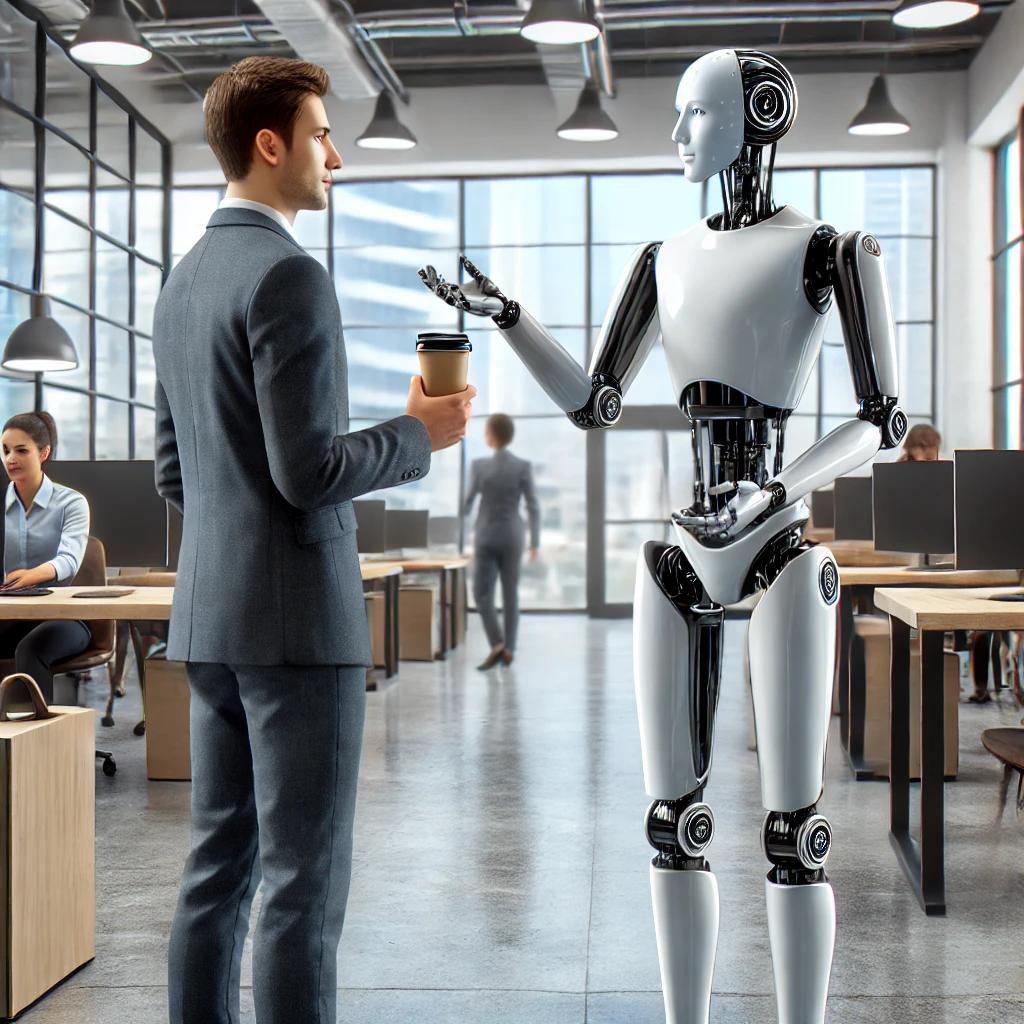
These robots are also being designed to work alongside humans, not replace them. They’re intended to perform tasks that are dangerous, repetitive, or physically demanding. In healthcare, logistics, elder care, and even disaster response, humanoids can serve as capable assistants rather than mere tools.
The Future of Human-Robot Coexistence
While humanoid robots are still in their early stages, the progress is accelerating. Advances in AI modeling, sensor technologies, and edge computing are making them smarter and more capable by the day. As costs decrease and learning models improve, we may soon see humanoid robots enter homes, hospitals, and city streets.
Yet, their rise also brings important questions. How do we ensure safety? Who is responsible when AI fails? What ethical boundaries should govern their deployment? As the line between artificial and biological intelligence blurs, humanity must prepare not just for technical integration, but for a cultural and philosophical reckoning as well.
In the end, the rise of humanoid AI isn’t just about building robots—it’s about redefining what it means to be human in a world we now share with intelligent machines.