

By Gloria Nosa
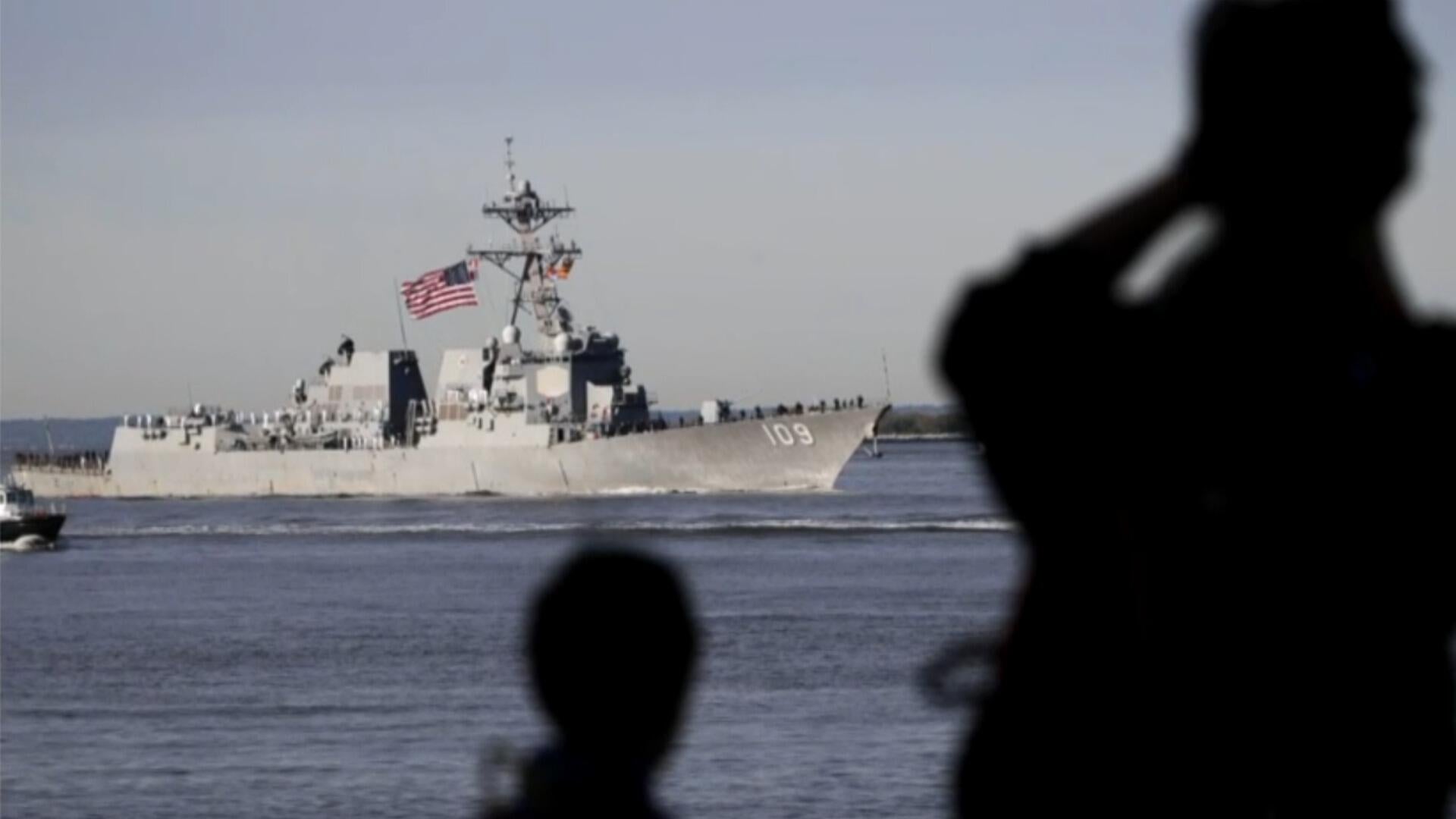
The fragile relationship between the United States and Venezuela has taken another dramatic turn, as President Nicolás Maduro of Venezuela issued a stern warning to former U.S. President Donald Trump following the deployment of American warships to the Caribbean. The move, which Washington claims is part of efforts to curb drug trafficking in the region, has been interpreted in Caracas as a direct act of aggression and intimidation.
Maduro, known for his fiery rhetoric against U.S. foreign policy, vowed that Venezuela would not sit idly by in the face of what he described as “an act of war disguised as security operations.” His remarks have heightened fears of an escalation in a region already burdened by political and economic crises.
U.S. Naval Presence Raises Alarm
According to reports from Washington, the Trump administration authorized the deployment of Navy destroyers, surveillance aircraft, and coast guard vessels to the Caribbean Sea in a large-scale operation intended to disrupt drug cartels. U.S. officials insisted that the operation was not aimed at Venezuela specifically but rather at regional criminal networks.
However, the timing and location of the deployment raised immediate suspicions. Venezuela, already under crippling U.S. sanctions and political isolation, believes the buildup of American forces so close to its waters is a deliberate provocation aimed at destabilizing Maduro’s government.
In a televised speech from Caracas, Maduro accused Trump of attempting to create chaos in Latin America while distracting Americans from domestic challenges at the time. “The empire cannot intimidate us with its warships. If Trump dares to violate our sovereignty, Venezuela will respond with force,” he declared to cheering supporters.
A History of Strained Relations
Relations between Washington and Caracas have been fraught for decades, but they deteriorated sharply during Trump’s presidency. The United States openly supported opposition leader Juan Guaidó, recognizing him as Venezuela’s legitimate interim president in 2019. This triggered a wave of diplomatic expulsions, sanctions, and economic pressure intended to oust Maduro.
Maduro, however, managed to retain power with the backing of the military and strong allies such as Russia, China, and Iran. For him, the U.S. naval deployment is simply the latest in a long series of attempts to undermine his leadership.
Political analysts suggest that Maduro is using this moment to rally nationalist sentiments at home. With Venezuela facing food shortages, hyperinflation, and mass migration, the threat of external aggression provides a common enemy for Venezuelans to unite against.
Regional Repercussions
The deployment of U.S. warships has not only angered Venezuela but also drawn the attention of Latin American nations concerned about potential conflict in their neighborhood. While some countries, like Colombia, have quietly supported the U.S. stance, others have called for restraint and dialogue.
The Organization of American States (OAS) has urged both nations to avoid military confrontation and instead pursue diplomatic channels. Meanwhile, Russia’s Foreign Ministry condemned the U.S. move, describing it as “an irresponsible provocation that risks plunging the Caribbean into unnecessary conflict.”
Observers warn that if tensions are not de-escalated, the standoff could destabilize trade routes, fuel migration crises, and even invite proxy confrontations involving major world powers.
Trump’s Hardline Stance
Trump, who often employed tough rhetoric against socialist governments, has previously stated that “all options are on the table” when it comes to Venezuela. His administration sought to pressure Maduro into stepping down, but despite sanctions and diplomatic isolation, the Venezuelan leader has remained defiant.
U.S. officials maintain that the naval deployment is strictly a counter-narcotics operation. However, Trump himself hinted at broader motives, telling reporters that Washington would not allow “corrupt regimes to profit from America’s backyard.”
Such language has only reinforced Venezuelan suspicions that the United States is considering direct intervention under the guise of regional security.
What Lies Ahead?
The situation in the Caribbean remains tense, with the Venezuelan military reportedly on high alert and mobilizing coastal defenses. Maduro has ordered the armed forces to conduct readiness drills and warned that any violation of Venezuelan territorial waters would be met with “a swift and overwhelming response.”
Diplomatic experts argue that while open war between the United States and Venezuela remains unlikely, the risk of accidental confrontation is real. A single miscalculation at sea or in the air could ignite a crisis that neither side fully intended.
For now, the standoff serves as a reminder of the fragile balance of power in the region, where ideology, resources, and geopolitics collide. Whether through diplomacy or confrontation, the world is watching to see how this chapter of U.S.–Venezuelan relations unfolds.

