

By Jolomi Igiehon
Guest Health Writer
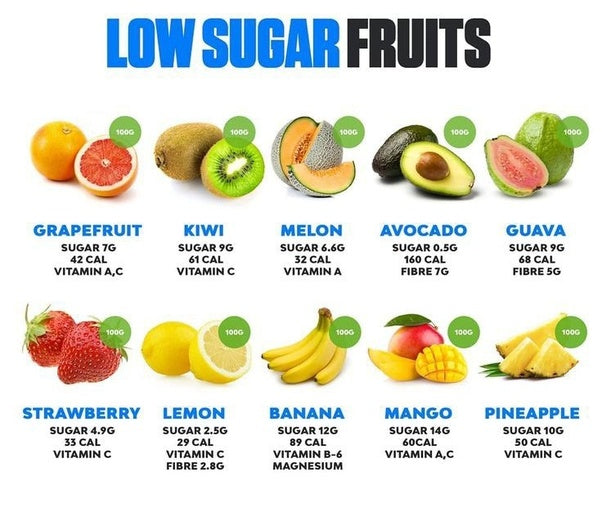
Introduction: The Sweet Truth About Fruit and Blood Sugar
When managing blood sugar, many people assume fruits should be avoided due to their natural sugars. However, not all fruits affect blood glucose in the same way. In fact, certain fruits have properties—like high fiber, low glycemic index (GI), and potent antioxidants—that can help regulate or lower blood sugar levels. These fruits, when consumed in moderation and as part of a balanced diet, can be beneficial for people managing diabetes, insulin resistance, or those looking to stabilize their energy levels naturally.
This write-up explores a list of fruits known to help lower or regulate blood sugar quickly, backed by nutritional science and expert advice.
1. Berries (Blueberries, Strawberries, Raspberries)
Why They Help:
Berries are rich in fiber and antioxidants while being relatively low in sugar compared to other fruits. The high fiber slows glucose absorption in the bloodstream, preventing spikes in blood sugar.
-
Blueberries contain anthocyanins, which improve insulin sensitivity.
-
Strawberries have a low GI (41) and contain polyphenols that reduce post-meal sugar spikes.
-
Raspberries offer up to 8 grams of fiber per cup, helping blunt blood sugar increases.
Best Way to Consume:
Fresh or frozen (unsweetened), added to oatmeal, Greek yogurt, or eaten alone.
2. Avocados
Why They Help:
While technically a fruit, avocados are unique due to their high content of healthy fats and very low sugar. They help improve insulin sensitivity and have a negligible impact on blood sugar.
-
Low glycemic index
-
High in monounsaturated fats, which improve heart and metabolic health
-
Rich in fiber (nearly 10g per avocado)
Best Way to Consume:
Sliced on whole grain toast, in salads, or as guacamole with raw veggies.
3. Apples
Why They Help:
Apples have a moderate GI (36–40) and are rich in soluble fiber, especially pectin, which slows digestion and reduces blood sugar spikes. They also contain beneficial antioxidants and vitamin C.
-
One medium apple contains about 4 grams of fiber.
-
Skin provides extra nutrients—avoid peeling.
Best Way to Consume:
Raw, with the skin on. Pairing with nut butter (like almond or peanut) can further reduce blood sugar impact.
4. Cherries (Tart Cherries Preferred)
Why They Help:
Tart cherries have a low GI (20) and contain anthocyanins that help boost insulin production and lower blood sugar naturally.
-
May help reduce A1C levels over time.
-
Provide antioxidant and anti-inflammatory benefits.
Best Way to Consume:
Fresh, unsweetened frozen, or 100% unsweetened tart cherry juice (in moderation).
5. Citrus Fruits (Oranges, Grapefruits, Lemons)
Why They Help:
Despite their sweet taste, citrus fruits have a low GI and are rich in vitamin C and fiber.
-
Oranges (GI ~40) contain pectin, a type of soluble fiber that helps manage glucose levels.
-
Grapefruit has naringenin, which improves insulin sensitivity.
-
Lemons may help lower the glycemic impact of a meal when added to water or food.
Best Way to Consume:
Whole (not juiced), to retain fiber. Be cautious with grapefruit if you’re on certain medications—it may interact with them.
6. Pears
Why They Help:
Pears are low on the glycemic index (38–42) and rich in fiber, especially if eaten with the skin. They also contain flavonoids which are linked to improved insulin sensitivity.
-
Help slow digestion and prevent blood sugar spikes.
-
Support gut health, which plays a role in glucose metabolism.
Best Way to Consume:
Fresh and raw with the skin. Avoid canned pears in syrup.
7. Kiwi
Why They Help:
Kiwi is high in vitamin C, potassium, and fiber while maintaining a moderate GI (~50). Its fiber content helps regulate digestion and glucose absorption.
-
One kiwi has about 2 grams of fiber and only 9 grams of sugar.
-
Contains actinidin, an enzyme that supports gut health.
Best Way to Consume:
Raw, eaten alone or added to a salad or smoothie.
8. Guava
Why They Help:
Guava is a tropical fruit loaded with dietary fiber and vitamin C. It’s been shown to help reduce blood sugar levels when eaten whole or as tea made from guava leaves.
-
Low in sugar and calories.
-
Improves insulin function.
Best Way to Consume:
Eaten raw or as guava leaf tea, which may offer additional antidiabetic effects.
9. Plums and Prunes
Why They Help:
Plums are moderately low in sugar and have a low GI. Prunes (dried plums), despite being higher in sugar, have a low glycemic load due to their high fiber content.
-
Prunes help slow glucose absorption.
-
Contain compounds that support healthy blood pressure and cholesterol, indirectly benefiting insulin function.
Best Way to Consume:
Fresh plums or small servings of prunes (2–3 pieces), paired with a protein source.
10. Bananas (In Moderation and When Slightly Green)
Why They Help:
While ripe bananas can be higher on the glycemic index, slightly green bananas contain more resistant starch, which acts like fiber and helps reduce blood sugar impact.
-
Medium banana = ~3 grams of fiber
-
Resistant starch improves gut health and insulin sensitivity
Best Way to Consume:
In small portions, paired with nuts or seeds. Avoid overripe bananas if managing blood sugar.
Honorable Mentions
-
Pomegranate – Packed with antioxidants that reduce oxidative stress and support insulin function.
-
Blackberries – High in fiber and very low in sugar.
-
Figs (fresh) – Provide natural sweetness with moderate sugar impact and lots of fiber.
Fruits to Approach with Caution
Some fruits, while nutritious, have a higher glycemic index or sugar content and may cause rapid spikes in blood glucose if not eaten in moderation:
-
Grapes (high sugar, low fiber)
-
Mangoes (sweet and tropical, best in small servings)
-
Watermelon (very high GI, though low in calories)
-
Pineapple (high GI, use with protein or fat to balance)
These can still be enjoyed, but ideally paired with a fat or protein source to slow absorption and reduce blood sugar spikes.
Tips for Consuming Fruit to Stabilize Blood Sugar
-
Eat whole fruits instead of juices to retain fiber.
-
Pair fruits with protein or healthy fats (like nuts, yogurt, or cheese) to slow glucose absorption.
-
Avoid canned fruits with added sugar or syrup.
-
Stick to small servings (½ cup to 1 cup) and monitor how your body responds.
-
Distribute fruit intake throughout the day instead of consuming large amounts at once.
Sweet Can Be Smart
While sugar content in fruits can raise concerns for people managing blood sugar, choosing the right kinds of fruit—and consuming them properly—can be a valuable part of a healthy, blood sugar-friendly diet. High-fiber, low-GI fruits such as berries, apples, and avocados not only offer vitamins and antioxidants but also support stable glucose levels, better insulin function, and overall well-being.
As with any health-related issue, moderation, balance, and individual response matter most. Consulting with a healthcare provider or nutritionist can help you tailor your fruit intake to your specific needs. But with the right choices, fruits don’t just taste good—they can do good, too.


