

By Geraldine Ohonba
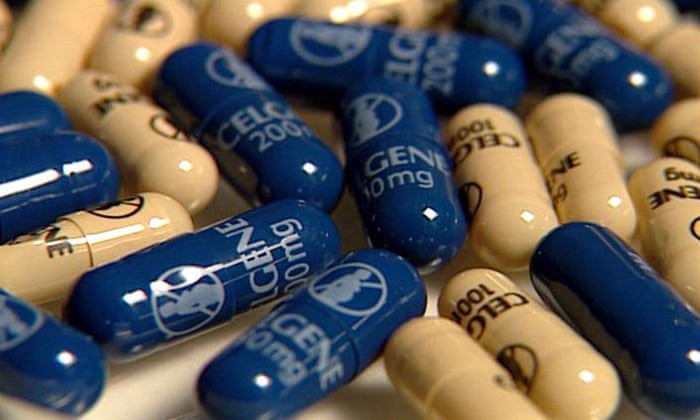
Cancer remains one of the most feared diseases of our time. It is the second leading cause of death in the United States, claiming more than 600,000 lives annually. Yet health experts estimate that nearly 40 percent of cancer cases could be prevented by lifestyle choices such as maintaining a healthy weight, staying active, and avoiding smoking and excessive alcohol use.
But what if some of the medications you rely on—whether prescribed by your doctor or bought over-the-counter—could also play a role in raising your cancer risk? That’s the concern raised by New York-based psychiatrist Dr. Yalda Safai, who recently identified five categories of drugs and substances that may carry cancer-related risks.
While she stressed that patients should never stop prescribed medications without consulting their physicians, Dr. Safai warned that individuals should be aware of the potential dangers. “With every medicine, you have to balance the risks against the benefits,” she said. “Those risks look different for every person depending on their health conditions and family history.”
Below, we explore each of these drugs in detail, highlighting both the science and the debate behind them.
1. Birth Control Pills – Balancing Protection and Risk
For decades, millions of women have relied on oral contraceptives to prevent pregnancy and regulate hormonal health. In fact, more than one in ten women in the U.S. use them each year. These pills typically contain synthetic versions of the hormones estrogen and progesterone, which prevent ovulation and reduce the chance of conception.
But these same hormones can also stimulate abnormal cell growth, leading to a potential increase in certain cancers, particularly breast cancer. Research backs up this concern: a 2013 study found that regular use of birth control pills was linked to an 8 percent higher risk of breast cancer, while a 2017 study involving 1.8 million women suggested the risk could be as high as 20 percent.
Still, the story is not entirely grim. Birth control has also been shown to lower the risk of ovarian and endometrial cancers, as it reduces the number of times a woman ovulates, limiting exposure to hormones that can damage DNA.
Dr. Safai advises women to weigh their family history before starting birth control, especially if close relatives have had breast cancer. “It’s not about fear, but about informed decisions,” she explained.
2. Cold Medications with Benzene – The Hidden Carcinogen
Cold and flu season drives millions of Americans to pharmacies, where shelves are stacked with over-the-counter relief. But some generic extended-release cold medicines—sold under store brands by retailers like Walmart, CVS, Target, and Walgreens—were recently found to contain benzene, a chemical classified as a Group 1 carcinogen by the World Health Organization.
Benzene exposure has long been linked to blood cancers, including leukemia, and has also been detected in hand sanitizers, dry shampoos, and even some personal care products. While the FDA has mandated the removal of benzene from pharmaceuticals by 2025, industry pushback has delayed full compliance until 2026.
This revelation leaves consumers at risk, especially those who unknowingly purchase or stockpile these medicines. Dr. Safai urged caution: “Benzene has no safe level of exposure. Even small amounts carry risks.”
3. Zantac (Ranitidine) – A Recall That Came Too Late
Once one of the most trusted treatments for heartburn and acid reflux, Zantac (ranitidine) was pulled from shelves in 2020 after investigators found it could contain dangerous levels of N-Nitrosodimethylamine (NDMA).
NDMA is a chemical known to increase the risk of cancers in the liver, bladder, stomach, and prostate when consumed in high doses. Alarmingly, tests showed that NDMA levels in ranitidine grew over time, meaning a pill that left the factory safe could become hazardous after just weeks on store shelves.
Although officially recalled, Zantac remains a concern because many people may still have unused boxes tucked away in their medicine cabinets. “I still have medicine from five years ago in my cupboard,” Dr. Safai said, warning that outdated Zantac could still pose a threat.
Safer alternatives such as Pepcid (famotidine) are available without the NDMA risk.
4. Supplements – The Unregulated Grey Zone
Supplements are a booming industry, with more than 59 million Americans using them regularly and spending an average of $500 a year. From melatonin and protein powders to herbal blends and “miracle” detox pills, they promise health benefits without the need for prescriptions.
But unlike pharmaceuticals, supplements are poorly regulated by the FDA. This lack of oversight means many products may contain unlisted—and sometimes dangerous—ingredients.
In 2021, a company called BlackOxygen Organics was banned after its fulvic acid supplement was found to contain arsenic and lead, both linked to cancer. In 2022, a study by the Clean Label Project revealed that many popular protein powders were contaminated with heavy metals, including mercury and cadmium.
Dr. Safai cautioned patients to avoid supplements unless absolutely necessary: “You never truly know what’s inside. What’s printed on the label often doesn’t match what’s in the bottle.”
5. Hormone Replacement Therapy (HRT) – Relief with a Catch
Hormone Replacement Therapy is widely prescribed to women experiencing menopause symptoms like hot flashes, night sweats, and bone density loss. By replenishing estrogen and progesterone, it offers relief and improves quality of life.
However, much like birth control, HRT can also slightly increase the risk of breast cancer. Studies suggest the risk is relatively modest, but it is real—particularly for women already at higher risk due to genetics.
Dr. Ashwin Sharma, a medical communications expert, added that while HRT raises breast cancer risk, it has also been shown to lower risks of other cancers, such as esophageal cancer. He emphasized the importance of understanding numbers in context: “A 20 percent increase in risk sounds frightening, but in absolute terms, it may mean going from one in 10,000 cases to 1.2 in 10,000. For many women, the benefits outweigh the risks.”
The Takeaway – Informed Choices Save Lives
Cancer is a complex disease influenced by genetics, lifestyle, environment, and sometimes, even the medications meant to keep us healthy. The five drugs identified by Dr. Safai—birth control pills, benzene-containing cold medicines, Zantac, unregulated supplements, and HRT—remind us that vigilance and balance are key.
Patients are urged not to stop any prescribed medication without consulting their healthcare provider. Instead, the safest approach is open dialogue: understanding risks, asking questions, and making decisions that consider both immediate needs and long-term health.
As Dr. Safai concluded: “Medicine is never one-size-fits-all. Knowledge is power, and the more informed patients are, the better they can protect themselves.”

