Health New Correspondent
By Jolomi Igiehon
Practical Tips to Avoid Bad Breath
There are many ways to combat bad breath. Some preventive measures are easy to implement into your daily routine, while others may require professional intervention. Below are several proven methods to maintain fresh breath:
1. Practice Good Oral Hygiene
The foundation of fresh breath is proper oral hygiene. Regularly brushing your teeth and tongue helps remove food particles and bacteria that cause bad odors. Here are some guidelines to follow:
-
Brush your teeth twice a day: Use a fluoride toothpaste and brush for at least two minutes, ensuring you cover all surfaces of your teeth and gums.
-
Floss daily: Flossing removes food particles and plaque from between your teeth, areas that your toothbrush can’t reach.
-
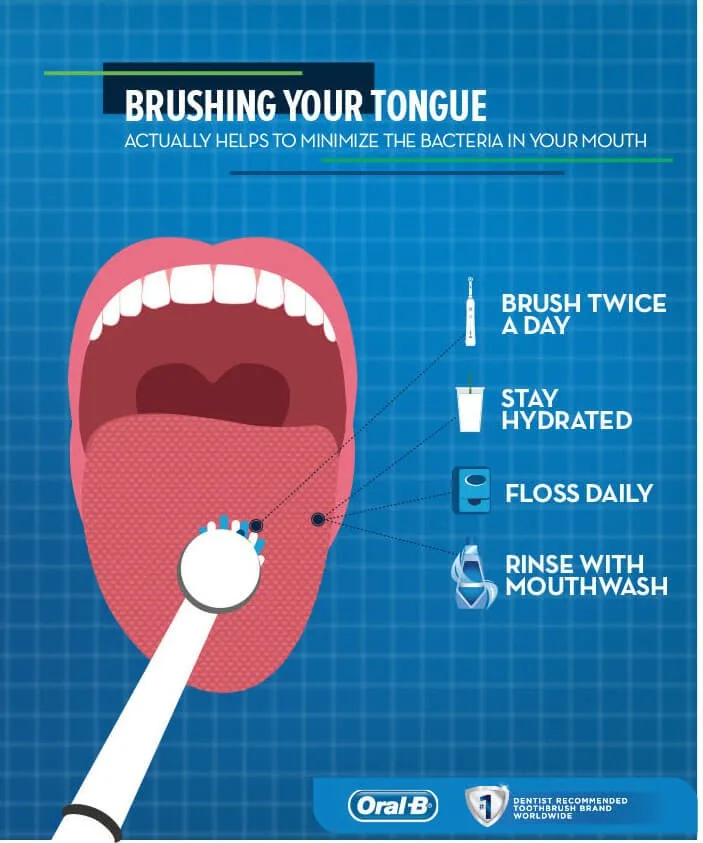
Clean your tongue: The tongue harbors bacteria and food particles. Use a tongue scraper or the back of your toothbrush to gently clean your tongue.
-
Replace your toothbrush regularly: A worn-out toothbrush won’t clean your teeth effectively. Replace it every three to four months or sooner if the bristles are frayed.
2. Stay Hydrated
Drinking plenty of water throughout the day helps prevent dry mouth, which is a major contributor to bad breath. Saliva is essential for cleansing the mouth and washing away food particles and bacteria. If you’re prone to dry mouth, consider chewing sugar-free gum or sucking on sugar-free candies to stimulate saliva production. Drinking water after meals can also help wash away food remnants and bacteria.
3. Use Mouthwash
Mouthwash can temporarily mask bad breath and kill odor-causing bacteria. Look for mouthwashes that contain antibacterial agents, such as chlorhexidine or cetylpyridinium chloride. Some mouthwashes also contain fluoride, which can help prevent tooth decay. However, be cautious with alcohol-based mouthwashes, as they can dry out the mouth, leading to worsened bad breath in the long run.
4. Eat a Healthy Diet
What you eat directly affects the smell of your breath. While certain foods like garlic and onions can contribute to bad breath, there are also foods that can help neutralize odors. Consider the following tips:
-
Eat fresh, crunchy fruits and vegetables: Apples, carrots, and celery help clean teeth and stimulate saliva production.
-
Avoid sugary foods and drinks: Sugar feeds bacteria in the mouth, which can lead to bad breath. Opt for whole foods and limit sugary snacks.
-
Incorporate herbs into your diet: Parsley, mint, and fennel are natural breath fresheners that can help neutralize odors.
5. Quit Smoking and Avoid Tobacco Products
Smoking is a major contributor to bad breath, and quitting can have a significant positive impact on your oral health. Tobacco products also increase the risk of gum disease and dry mouth, both of which contribute to persistent halitosis. If you’re struggling to quit, consider seeking professional help through counseling or smoking cessation programs.
6. Treat Underlying Medical Conditions
If your bad breath persists despite maintaining good oral hygiene, it may be a sign of an underlying medical condition. Conditions like gum disease, sinus infections, diabetes, and gastrointestinal issues can all contribute to halitosis. Here are some steps to take:
-
Visit your dentist regularly: A dentist can identify and treat oral conditions like gum disease or tooth decay that might be causing bad breath.
-
Consult a doctor: If your dentist rules out oral health issues, visit a physician to discuss potential underlying medical conditions that may be contributing to your bad breath.
7. Chew Sugar-Free Gum or Mints
Chewing gum or sucking on mints can help freshen your breath temporarily. Choose sugar-free options to avoid feeding bacteria in the mouth. Look for products containing xylitol, a natural sugar substitute that inhibits the growth of bacteria responsible for bad breath.
8. Regular Dental Check-ups
Visiting your dentist regularly for cleanings and check-ups is essential for preventing and addressing bad breath. Professional cleanings remove plaque and tartar buildup, which can harbor bacteria and contribute to halitosis. Your dentist will also check for signs of gum disease, tooth decay, or other oral health issues.
When to Seek Professional Help
If you have persistent bad breath that doesn’t improve with good oral hygiene practices or lifestyle changes, it may be time to consult a healthcare professional. Conditions like dry mouth (which may require treatment with saliva substitutes), gum disease, or infections can often be treated with professional care. Additionally, your doctor may help diagnose any medical conditions that could be causing the problem, such as respiratory infections, diabetes, or acid reflux.
Bad breath is a common and often manageable issue. By maintaining good oral hygiene, staying hydrated, avoiding tobacco, and eating a balanced diet, you can significantly reduce your chances of developing halitosis. However, if bad breath persists despite these measures, it’s important to seek professional advice to rule out underlying medical conditions. With consistent care and attention, you can enjoy fresh breath and better oral health for years to come.