

By Gloria Nosa
Offshore Correspondent
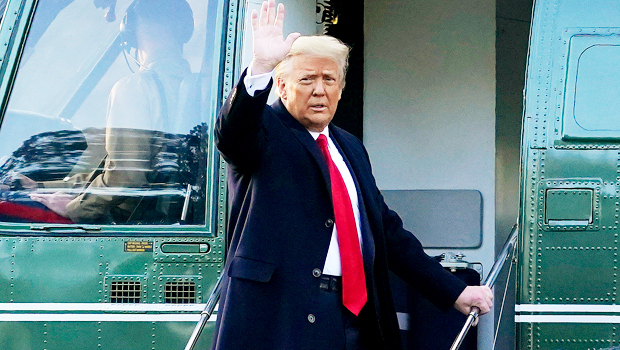
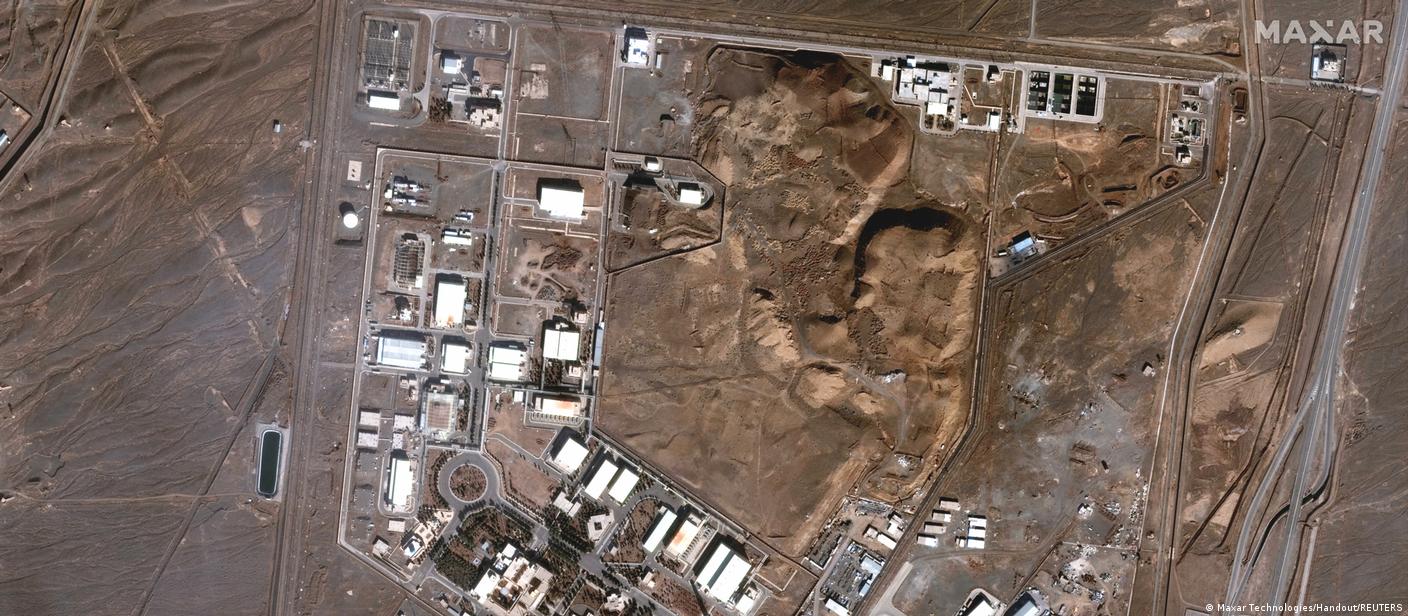
Tensions between Iran and the United States escalated sharply on Monday after Tehran vowed to respond “ferociously” to any form of military attack, following remarks by President Donald Trump that he is weighing possible strikes if nuclear negotiations fail.
The renewed war of words comes as both sides prepare for another round of indirect negotiations in Geneva aimed at reviving discussions over Iran’s nuclear programme. A US official confirmed that talks are expected to resume on Thursday under Omani mediation.
Iran: Any Strike Equals Aggression
Iran’s foreign ministry warned that even a limited military operation would be viewed as outright aggression. Spokesman Esmaeil Baqaei stated that Iran would react forcefully to any such move, stressing that the country would not tolerate attacks on its sovereignty.
Iran maintains that its nuclear programme is strictly for civilian purposes. However, Western governments continue to argue that Tehran’s enrichment activities could be aimed at developing nuclear weapons.
Tehran has signaled readiness to submit a draft proposal for a potential agreement through mediators in the coming days. President Trump, meanwhile, has reportedly given Iran a short timeline — about two weeks — to reach a deal or face consequences.
Expanding Diplomatic and Military Pressure
While Iran insists negotiations should focus solely on nuclear issues, Washington has indicated it wants broader discussions, including Iran’s missile programme and its support for armed groups across the Middle East.
The growing tensions have triggered precautionary measures internationally. Several countries, including India, Sweden, Serbia, Poland, and Australia, have advised their citizens to leave Iran amid fears of potential escalation.
The United States has also ordered non-essential staff to depart from its embassy in Lebanon, citing security concerns. Lebanon is home to Hezbollah, a powerful Shiite militia aligned with Iran.
China has cautioned against military action, with its ambassador in Geneva warning that unilateral use of force risks igniting new global conflicts.
Domestic Unrest Compounds Pressure
The diplomatic standoff is unfolding against a backdrop of renewed protests inside Iran. University students have resumed demonstrations reminiscent of nationwide protests that peaked in January and were met with a deadly crackdown.
Human rights groups claim thousands were killed during the unrest, while Iranian authorities dispute the figures and attribute the violence to external interference.
Over the weekend, fresh campus demonstrations saw students chanting anti-government slogans, with videos circulating online showing clashes between pro- and anti-government groups.
Risk of Wider Regional Conflict
Iranian officials have warned that any renewed aggression would not remain confined within its borders and could trigger broader instability across the region. Deputy Foreign Minister Kazem Gharibabadi described the resumption of talks as a “new window of opportunity,” but cautioned that military escalation would carry serious consequences.
With negotiations set to resume in Geneva, global attention is now focused on whether diplomacy can prevail — or whether rising tensions between Tehran and Washington could spiral into a wider confrontation.

