

By Gloria Nosa
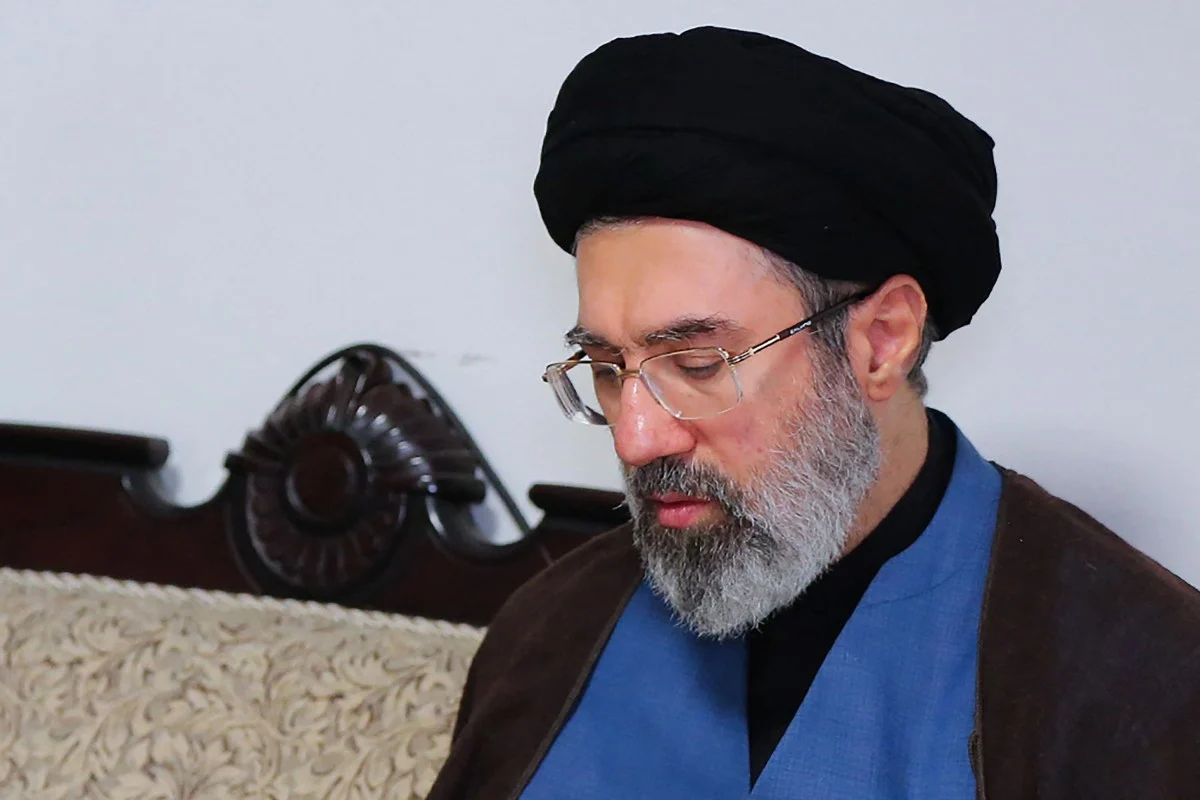
The crisis in the Middle East deepened on Thursday after Ayatollah Mojtaba Khamenei, Iran’s newly installed supreme leader, directed authorities to keep the crucial Strait of Hormuz closed to oil traffic despite warnings from the United States.
The instruction was delivered in a message broadcast on Iranian state television. The cleric has not been seen in public since he was selected as supreme leader last Sunday, reportedly after being injured during an earlier airstrike connected to the ongoing conflict.
Directive to Maintain the Blockade
In the statement, Mojtaba Khamenei insisted that Iran must continue using its strategic leverage over the Strait of Hormuz, one of the most important shipping corridors for global energy supplies.
He emphasized that shutting the passage remains a key tool in Iran’s response to the escalating confrontation in the region.
The narrow waterway links the Persian Gulf to the Indian Ocean and carries a large portion of the world’s oil and liquefied natural gas shipments each day, making any disruption a major concern for international markets.
Call for Gulf States to Shut U.S. Bases
Khamenei also urged countries in the Gulf region to close American military installations within their borders, a demand likely to further heighten tensions between Iran and its regional rivals.
His message suggested that Iran’s retaliation against recent attacks was already underway but not yet complete.
Leadership Change After Khamenei’s Death
The new leader stepped into power after the reported death of his father, Ali Khamenei, who had ruled Iran for decades. Iranian sources say he was killed during the initial wave of coordinated strikes carried out by the United States and Israel at the beginning of the broader Middle East confrontation.
Oil Markets React
Soon after the announcement, reports emerged that Iran had launched another round of attacks targeting energy facilities across Gulf countries. The developments briefly pushed global crude prices above $100 per barrel, fueling fears of a serious disruption to energy supplies.
Experts warn that any prolonged closure of the Strait of Hormuz could trigger one of the most severe shocks to the global oil market in decades.
Trump Responds
Reacting to the developments, Donald Trump dismissed growing concerns about the crisis, saying his main focus remains preventing Iran from obtaining nuclear weapons.
He stated on social media that stopping Iran’s nuclear ambitions is more important than the escalating tensions surrounding the shipping route.
The situation has raised alarm across international shipping and energy markets, with many fearing the standoff could widen into a much larger regional conflict.

