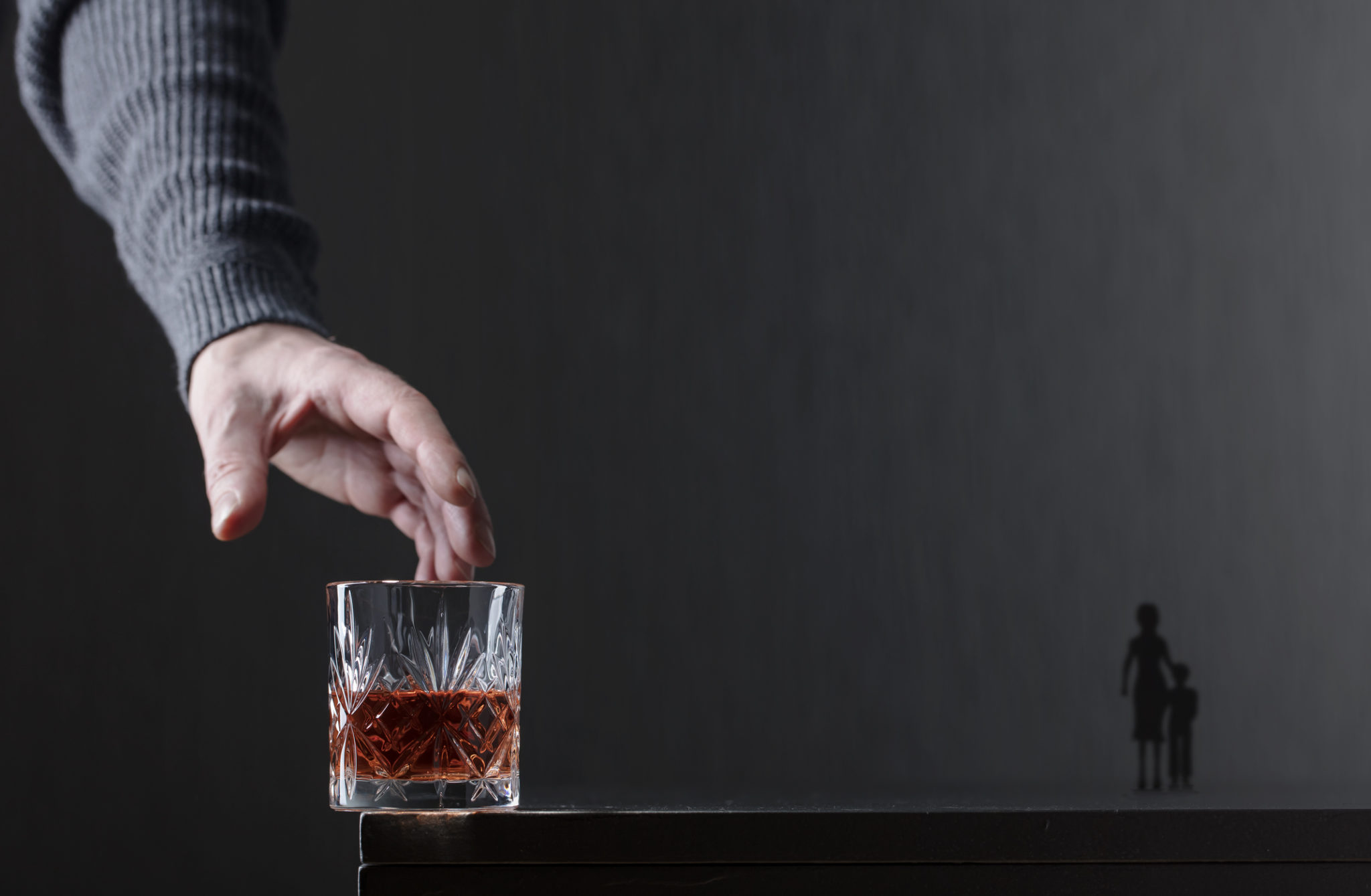
For many people, drinking alcohol is a common social activity, something enjoyed with friends, family, or colleagues. However, when drinking starts to interfere with daily life or well-being, it may signal a problem. Recognizing the signs early can be crucial in addressing unhealthy drinking habits before they become more serious. But how do you know if your drinking is becoming a concern? Here are some key indicators to help you evaluate whether it’s time to reconsider your relationship with alcohol.
1. Increased Tolerance
One of the first signs that drinking may be becoming a problem is an increased tolerance. If you find that you need to drink more to achieve the same effects—whether it’s feeling relaxed or simply enjoying the experience—it could be a warning sign that your body is becoming accustomed to alcohol. Over time, this can lead to a cycle of drinking more, which can increase the risk of dependency.
2. Frequent Blackouts or Memory Lapses
Have you experienced blackouts, where you can’t remember what happened during or after a drinking session? Memory loss and lapses in recall during or after drinking are serious red flags. Alcohol impairs brain function, and frequent memory blackouts could be a sign that your drinking is putting your cognitive health at risk. If these incidents occur regularly, it may be time to assess how alcohol is impacting your mental well-being.
3. Drinking to Cope with Stress or Emotions
It’s natural to seek relief from stress, anxiety, or sadness, but turning to alcohol as a way to cope with negative emotions is a concerning behavior. Using alcohol as an emotional crutch can lead to a vicious cycle, where drinking becomes the primary way of dealing with challenges instead of developing healthier coping mechanisms. If you find yourself relying on alcohol to manage emotions or escape stress, this may indicate that alcohol use is becoming problematic.
4. Neglecting Responsibilities or Priorities
If alcohol is interfering with your personal, professional, or social life, it’s a clear sign that your drinking habits might be causing harm. This could manifest in missing work or social events, neglecting responsibilities at home, or a decline in performance at school or work. If you’re finding that alcohol is taking precedence over important commitments or relationships, it’s time to reassess your drinking habits.
5. Failed Attempts to Cut Back
Have you tried to reduce the amount of alcohol you consume but found that you couldn’t stick to your goals? Whether it’s limiting the number of drinks you have per week or cutting out alcohol for a few days, repeated unsuccessful attempts to cut back may be an indication that you have less control over your drinking than you realize. If you’re finding it difficult to limit your intake despite your best efforts, it could be a sign that your relationship with alcohol has shifted into problematic territory.
6. Drinking in Risky Situations
If you frequently find yourself drinking in risky or dangerous situations—such as driving while intoxicated, participating in unsafe activities, or drinking alone in isolation—it’s a clear indication that your drinking habits have become a concern. Risky drinking behaviors can put both yourself and others in harm’s way and are a red flag that you may be struggling with alcohol use.
7. Social and Physical Impact
Another indicator that your drinking may be problematic is the impact it has on your relationships and physical health. If friends or family members have expressed concern about your drinking or if you’ve noticed physical symptoms like weight gain, liver problems, or sleep disturbances, these are significant signals that alcohol is affecting your overall well-being. Chronic alcohol use can also increase your risk of developing long-term health issues, such as heart disease, liver damage, and mental health disorders.
8. Feeling the Need to Hide Your Drinking
Hiding your drinking habits from others—whether it’s sneaking alcohol or downplaying the amount you consume—is a sign that you may be aware that your drinking is becoming a problem. If you feel the need to conceal your behavior, it’s important to take a step back and evaluate why you’re trying to hide it. The shame or guilt associated with drinking often points to deeper issues with alcohol use.
9. Inability to Enjoy Activities Without Drinking
If you feel that you cannot have a good time or participate in social activities without drinking, it’s another clear sign that alcohol is playing too large a role in your life. Healthy social interactions and enjoyable experiences should be fulfilling on their own, without the need for alcohol as a prerequisite.
10. Health Issues or Physical Dependence
In more severe cases, regular heavy drinking can lead to physical dependence, meaning your body starts to rely on alcohol to function normally. Symptoms of withdrawal when not drinking—such as shaking, sweating, nausea, or irritability—are serious signs that your body is physically dependent on alcohol. These signs should be taken very seriously and prompt immediate action.
What To Do If You Recognize These Signs
If you’ve identified any of these behaviors in yourself, it may be time to seek help. Acknowledging that your drinking may be a problem is the first step toward recovery. Talking to a doctor, therapist, or counselor can help you better understand the impact alcohol has on your life and provide guidance on how to cut back or quit.
There are also many support groups and treatment programs available for individuals struggling with alcohol use, such as Alcoholics Anonymous (AA), outpatient therapy, and inpatient rehabilitation centers. Taking action early can help prevent further health, social, and emotional issues from arising.
Conclusion
Drinking alcohol occasionally is a normal part of many people’s lives, but it’s important to be aware of when it starts to become a problem. Recognizing the signs early—such as increased tolerance, risky drinking behaviors, or the impact on your relationships—can make a big difference in addressing the issue before it worsens. If you’re concerned about your drinking habits, seeking support and guidance is an important step toward taking control of your health and well-being.