

By Jane Nwandibe
Entertainment Deputy Editor
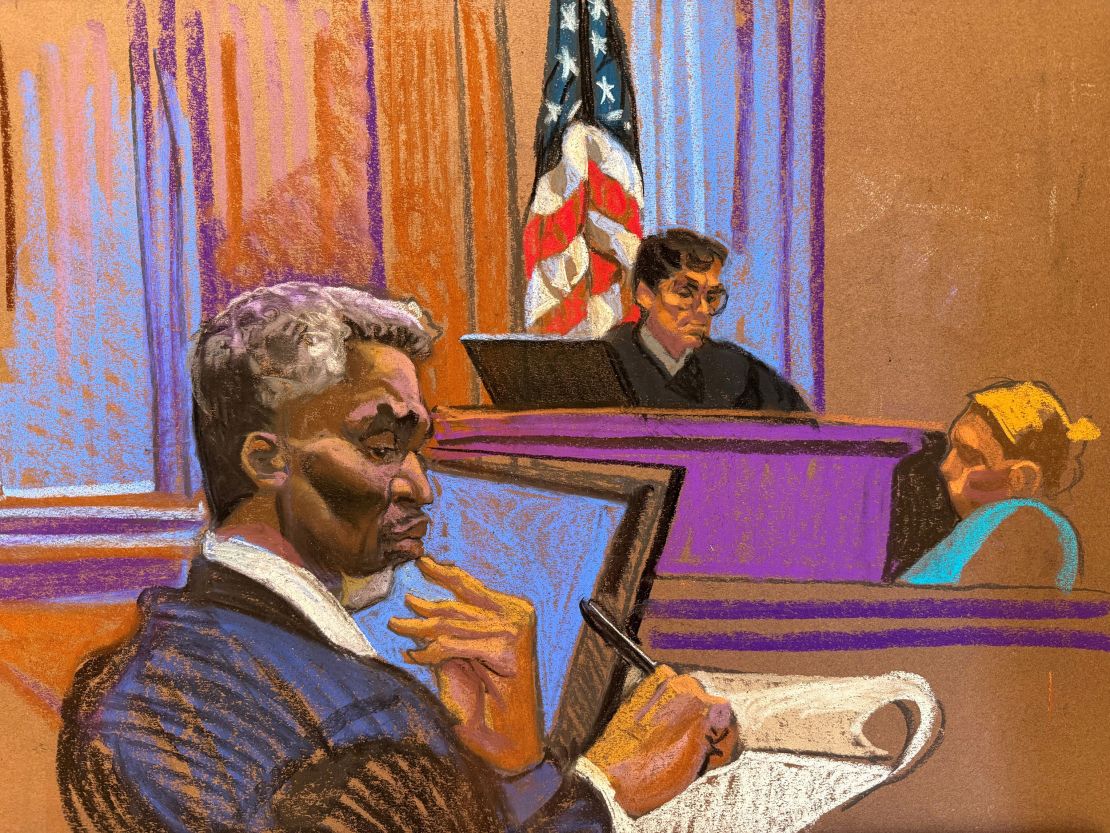
The courtroom was tense and silent as the judge delivered final instructions to the jury, signaling the beginning of the end of what has become one of the most high-profile legal battles involving hip-hop mogul Sean “Diddy” Combs. With weeks of testimony, evidence, and intense media scrutiny behind them, jurors now face the monumental task of deciding Diddy’s fate.
As the jury heads into deliberations, the case against Diddy has polarized public opinion and reignited debates about celebrity justice, accountability, and the culture of silence in the entertainment industry.
A Trial That Gripped the Nation
The trial, which has unfolded over several emotionally charged weeks, stems from a series of explosive allegations ranging from sexual misconduct and abuse to coercion and illegal surveillance. Prosecutors painted a picture of a powerful man who allegedly used his fame and influence to control, intimidate, and harm others behind the scenes of his glamorous music empire.
Witnesses took the stand to describe harrowing experiences, some dating back years, claiming they were either directly victimized or silenced under threats of retaliation. Several of these testimonies were supported by private messages, video footage, and financial transactions that prosecutors argued formed a pattern of abusive behavior.
On the other hand, Diddy’s defense team launched a vigorous rebuttal, dismissing the accusations as fabrications motivated by money, revenge, or fame. His lawyers highlighted inconsistencies in witness testimonies, questioned the timing of the allegations, and insisted that no concrete evidence definitively proved wrongdoing. They also pointed out that many of the claims had previously been settled out of court or lacked legal merit when filed.
Diddy, who chose not to testify in his own defense, maintained his innocence throughout the proceedings, appearing composed but visibly emotional at times as the testimonies played out.
The Judge’s Final Charge
In a detailed and carefully worded address, the presiding judge reminded jurors of their legal duty to weigh the evidence objectively and without bias. The judge urged them to focus solely on the facts presented in court and the applicable laws, emphasizing the importance of not being swayed by media coverage, celebrity status, or public opinion.
“You are not to decide this case based on sympathy, passion, or prejudice,” the judge said. “Your duty is to apply the law as instructed and evaluate the credibility of witnesses and the evidence with impartiality.”
Jurors were also reminded of the standard of proof: that guilt must be established beyond a reasonable doubt. The judge reiterated that the burden of proof lies with the prosecution and that the defense is not required to prove innocence but only raise reasonable doubt.
Deliberations Begin Behind Closed Doors
As the jury retired to deliberate, both sides anxiously awaited the outcome. Legal analysts say the case is complex, not only because of the gravity of the charges but also due to the involvement of a high-profile figure like Diddy, whose reputation as a cultural icon could influence how the proceedings are perceived by the public.
Deliberations could take days or longer, depending on the jurors’ interpretation of the evidence. In high-stakes trials like this one, even a single juror’s doubt can sway the entire verdict or lead to a hung jury.
While the courtroom now lies quiet, the nation watches with bated breath. Outside the courthouse, crowds of both supporters and critics of Diddy have gathered, holding placards, chanting slogans, and awaiting what could be a historic verdict.
What’s at Stake
For Sean Combs, the consequences of a guilty verdict would be severe—possibly resulting in years of imprisonment and the irreversible tarnishing of a career built over decades. For his accusers, the verdict represents a chance at validation and justice. And for the broader public, this case could mark a turning point in how powerful figures in the music and entertainment industry are held accountable.
Regardless of the outcome, the trial has already sent a powerful message: even the most untouchable public figures can be brought before a court of law, and their actions scrutinized by a jury of ordinary citizens.
As the jury deliberates in seclusion, one thing is certain—the verdict in the Diddy case will reverberate far beyond the courtroom, reshaping public discourse on celebrity, power, and justice in America.

