By John Umeh

The House of Representatives has set up a special ad-hoc committee to uncover why Abuja remains engulfed in violent crime despite the federal government’s investment of $460 million in a citywide CCTV network funded through a Chinese loan.
Presiding over the session, Speaker Tajudeen Abbas expressed frustration over the alarming rise in kidnappings, robberies, and deadly attacks across the Federal Capital Territory (FCT). He described the situation as a tragic reversal for a city once considered one of the safest in West Africa.
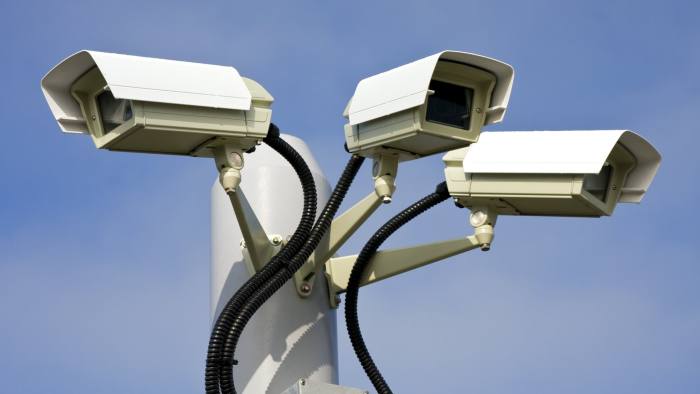
Abbas questioned how a multi-million-dollar surveillance project designed to boost monitoring and support security agencies has seemingly vanished without impact. According to him, Nigerians deserve transparent answers about whether the project was ever fully deployed, quietly abandoned, or compromised through mismanagement.
He explained that the committee has been tasked with carrying out a forensic assessment of the CCTV project — from its physical status to its integration with security architecture, functionality, and the reasons behind its failure. The investigation will also identify cases of negligence or potential sabotage while recommending steps for revival or complete restructuring.
The Speaker called on the Ministers of Interior, Finance, and the FCT; the Inspector General of Police; area council chairmen; and all security agency heads to provide maximum cooperation. He also appealed to traditional rulers to intensify intelligence-sharing to support security operations.
Abbas stressed that the House “cannot fold its arms while citizens live in perpetual fear,” vowing that every legislative instrument available will be used to ensure accountability and restore security confidence in the capital city.
Committee Chairman Rep. Ojogo Kimikanboh added that the deteriorating safety situation has transformed Abuja into “a theatre of fear.” He labelled the failed CCTV project a “monumental scandal,” noting that despite the huge financial commitment, the system has delivered no meaningful protection for residents.
Ojogo assured Nigerians that the committee’s findings would not be swept under the carpet, stressing that the House is committed to delivering a report that is factual, evidence-based, and capable of driving real reform. He said the outcome of the investigation would help determine whether the CCTV infrastructure can still be revived or whether the FCT requires a completely new surveillance strategy.
He further noted that the probe represents a crucial moment for Nigeria’s security accountability, especially at a time when residents of the capital fear routine activities such as school runs, commuting, and evening walks. According to him, restoring public confidence in security systems begins with exposing what went wrong and ensuring such lapses never recur.
As the committee begins its work, expectations are high among citizens, civil society groups, and security experts who have repeatedly questioned the whereabouts of the CCTV project and why the capital continues to suffer unchecked criminal attacks. Many see the investigation as a test of the government’s willingness to confront systemic failures and implement lasting solutions.
The House reaffirmed its commitment to ensuring the FCT becomes safe once again, insisting that the era of unanswered questions and abandoned projects must end. With billions spent and lives at stake, lawmakers say the Abuja CCTV probe may become one of the most consequential security accountability exercises in recent years.
The ad-hoc committee is expected to present its preliminary findings to the House in the coming weeks as the nation watches closely for answers — and action.