

By Geradine Ohonba
Health Editor/Columnist

Many people experience tight muscles, especially in the hips, hamstrings, groin, and inner thighs. This tightness can result from prolonged sitting, lack of physical activity, or specific sports and exercise routines. One effective method to improve flexibility and loosen these muscles is through practicing the splits. While the splits may seem intimidating at first, with consistent effort and proper technique, they can greatly enhance muscle length and joint mobility, contributing to overall physical health and performance.
Doing the splits—whether front splits (one leg forward, one leg back) or side splits (both legs out to the sides)—requires gradual muscle lengthening and increased joint flexibility. This process helps reduce muscle stiffness, prevent injuries, and improve posture and movement quality. In this write-up, we will explore how doing the splits lengthens and loosens tight muscles, step-by-step guidance, and safety tips to ensure a beneficial practice.
Understanding Muscle Tightness and Flexibility
Muscle tightness occurs when muscles are shortened, overused, or lack sufficient stretching. The hamstrings (back of the thighs), hip flexors (front of the hips), and adductors (inner thighs) are among the most common muscles that become tight, especially due to sedentary lifestyles or repetitive movement patterns. Tight muscles restrict joint range of motion and can cause discomfort or pain, affecting everyday activities and athletic performance.
Flexibility refers to the ability of muscles and joints to move through their full range of motion. Improved flexibility results from regular stretching, which gradually lengthens muscle fibers and connective tissue. Doing the splits is an intense form of stretching targeting multiple muscle groups simultaneously, making it a powerful tool for lengthening tight muscles.
How Doing the Splits Lengthens and Loosens Muscles
1. Targeting Multiple Muscle Groups
The splits stretch several key muscles at once:
-
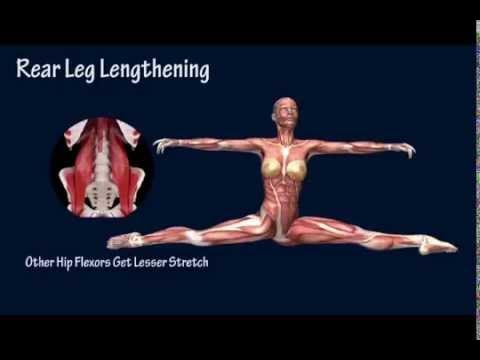
Hamstrings: In the front splits, the back leg’s hamstrings are deeply stretched, which helps lengthen these tight muscles.
-
Hip Flexors: The front leg’s hip flexors, especially the iliopsoas muscle, are stretched when the leg extends backward.
-
Adductors: Side splits intensely stretch the inner thigh muscles, loosening tightness and increasing mobility.
-
Quadriceps: The muscles at the front of the thigh also stretch, especially in the back leg during front splits.
This comprehensive stretch creates balanced flexibility by addressing all the muscles around the hips and thighs, which are often tight due to modern sitting habits and athletic demands.
2. Gradual Lengthening Through Consistent Practice
Muscle fibers have elastic properties but also resist overstretching to prevent injury. Consistent practice of the splits gently pushes the muscles beyond their usual limits, causing micro-tears that heal and result in longer, more flexible muscles. This gradual lengthening improves muscle elasticity and joint range of motion.
3. Increased Blood Flow and Reduced Muscle Stiffness
Stretching the muscles involved in the splits increases circulation to these areas, delivering oxygen and nutrients essential for muscle health and recovery. Improved blood flow also helps reduce muscle stiffness and soreness, enhancing overall muscle function and reducing injury risk.

Step-by-Step Guide to Doing the Splits Safely
Warm-Up
Before attempting the splits, it is crucial to warm up your body to prevent injury:
-
Dynamic stretches: Leg swings, hip circles, lunges, and light jogging help increase blood flow and prepare muscles.
-
Joint mobilization: Move your hips, knees, and ankles gently to loosen the joints.
Basic Stretching Exercises
Start with stretches that target key muscles:
-
Hamstring stretch: Sit with legs extended and reach forward.
-
Hip flexor stretch: Perform a low lunge, pushing hips forward.
-
Adductor stretch: Sit with legs spread wide and lean toward each side.
Working Toward the Splits
-
Partial splits: Begin by lowering yourself into a split position as far as comfortable without pain.
-
Hold and breathe: Maintain the stretch for 20–30 seconds, focusing on deep, slow breathing to relax muscles.
-
Repeat daily: Consistency is key; daily practice promotes gradual improvement.
-
Use props: Yoga blocks or cushions under your hands or hips can provide support as you build flexibility.
Progressing Safely
-
Avoid forcing the stretch or bouncing, which can cause muscle tears.
-
Increase the duration and depth of the stretch slowly over weeks.
-
Pay attention to your body’s signals; mild discomfort is normal, but sharp pain is a warning to stop.
Benefits of Lengthening and Loosening Muscles with Splits
-
Improved flexibility: Greater muscle length improves overall range of motion.
-
Enhanced athletic performance: Flexible muscles support better movement mechanics.
-
Reduced risk of injury: Looser muscles are less prone to strains and tears.
-
Better posture: Stretching tight hip flexors and hamstrings can correct pelvic tilt and spinal alignment.
-
Stress relief: Stretching promotes relaxation and can reduce muscle tension caused by stress.
Precautions and Common Mistakes
-
Don’t rush: Forcing the splits too soon can lead to injury.
-
Warm-up properly: Cold muscles are more susceptible to strains.
-
Maintain balance: Stretch both sides evenly to prevent muscle imbalances.
-
Use proper form: Keep hips squared and avoid twisting to maximize effectiveness.
-
Consult a professional: If you have pre-existing injuries or conditions, seek guidance from a physical therapist or qualified instructor.
Lengthening and loosening tight muscles through the practice of splits is an effective way to enhance flexibility, improve muscle health, and support better movement. With patience, consistent practice, and attention to proper technique, anyone can work toward achieving the splits safely. Beyond the physical benefits, this practice promotes mental calmness and body awareness, making it a valuable addition to any fitness or rehabilitation routine.

