

By John Umeh
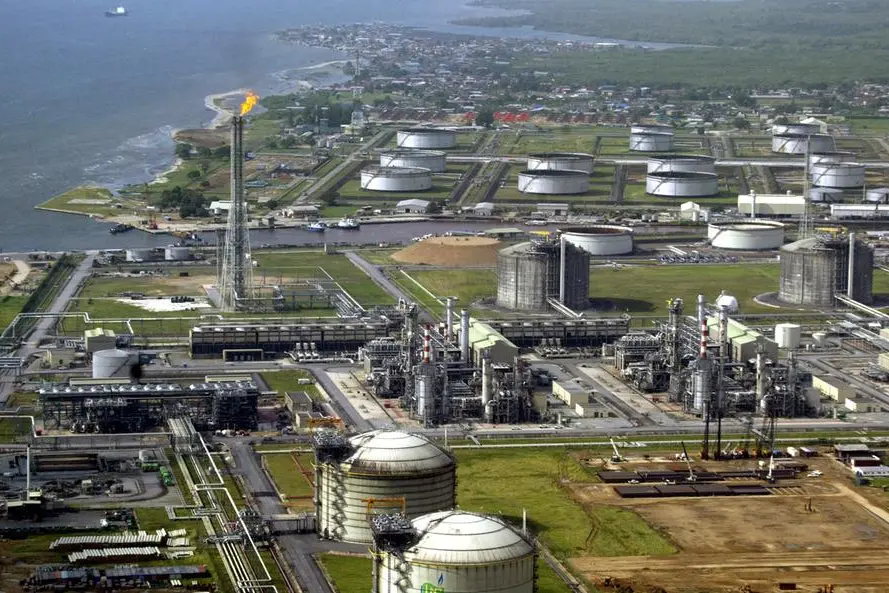


Nigerian households and businesses are bracing for tougher economic conditions following fresh increases in the prices of petrol, diesel, and cooking gas, as global crude oil markets react to escalating hostilities in the Middle East.
Crude oil prices climbed to $84 per barrel from $75 last week, triggering immediate adjustments across Nigeria’s downstream petroleum market.
Fuel Prices Rise Across the Board
Market checks indicate that:
-
Cooking gas (LPG) rose to ₦1,200 per kilogram from ₦1,000.
-
Diesel (AGO) increased to ₦1,300 per litre from ₦1,200.
-
Petrol (PMS) jumped to between ₦939 and ₦975 per litre from ₦837–₦875, with fears it could exceed ₦1,000 if the crisis persists.
The surge follows threats by Iran’s Revolutionary Guard Corps to block the Strait of Hormuz — a key global oil transit route — after attacks by the United States and Israel. Any disruption to the waterway, which handles roughly 20 percent of global oil supply, typically fuels sharp price volatility.
Dangote Refinery, Marketers Adjust Prices
The 650,000 barrels-per-day Dangote Petroleum Refinery led the adjustment by raising depot prices in response to higher international crude costs. Depot owners and oil marketers nationwide followed suit, increasing prices by an average of ₦100 per litre or kilogram.
Industry players say marketers have little choice in a deregulated market where prices reflect international benchmarks.
Chief Chinedu Ukadike of the Independent Marketers Association of Nigeria noted that marketers must factor in loading, transportation, and operational costs, which have all risen.
Government Revenue Up, Consumers Under Pressure
Higher crude prices could boost Nigeria’s export earnings, given that oil accounts for over 85 percent of foreign exchange inflows and about half of government revenue. With production fluctuating between 1.4 and 1.6 million barrels per day, the country stands to benefit fiscally—provided output remains stable.
However, experts warn that gains for government may translate into pain for citizens.
Dr. Muda Yusuf of the Centre for the Promotion of Private Enterprise explained that while higher oil prices strengthen foreign reserves and FAAC allocations, they also intensify inflation in a subsidy-free regime.
“With deregulation, higher crude automatically means higher petrol, diesel and transport costs locally. The inflationary ripple effects will be significant,” he said.
Businesses Face Mounting Costs
Manufacturers and small-scale businesses are already feeling the strain. Increased fuel and logistics expenses are pushing up production costs, which are likely to be passed on to consumers.
Partner at Kreston Pedabo, Olufemi Idowu, warned that rising fuel costs would increase commuting expenses, construction material prices, and overall cost of living.
“When energy prices rise, everything else follows. It becomes a multiplier effect across the economy,” he said.
Call for Intervention and Energy Shift
Industry stakeholders are urging the Federal Government to introduce measures to cushion the impact on vulnerable households and small enterprises.
Mazi Colman Obasi of the Oil and Gas Services Providers Association of Nigeria called for targeted interventions, arguing that while government may benefit from higher oil earnings, citizens are bearing the brunt of price increases.
Meanwhile, industrial leaders such as George Onafowokan of Coleman Wires and Cables advised companies to transition to gas-based energy systems to reduce exposure to volatile petrol and diesel prices.
Outlook: More Increases Possible
With tensions in the Middle East ongoing and global supply concerns mounting, analysts warn that further price hikes are possible if crude continues its upward trend.
While Nigeria may enjoy short-term fiscal gains, the broader economic picture suggests mounting inflationary pressure, rising transportation costs, and deeper hardship for low-income families and small businesses.
For many Nigerians, the global oil rally may feel less like a blessing and more like another chapter in a prolonged cost-of-living crisis.

