

By John Umeh
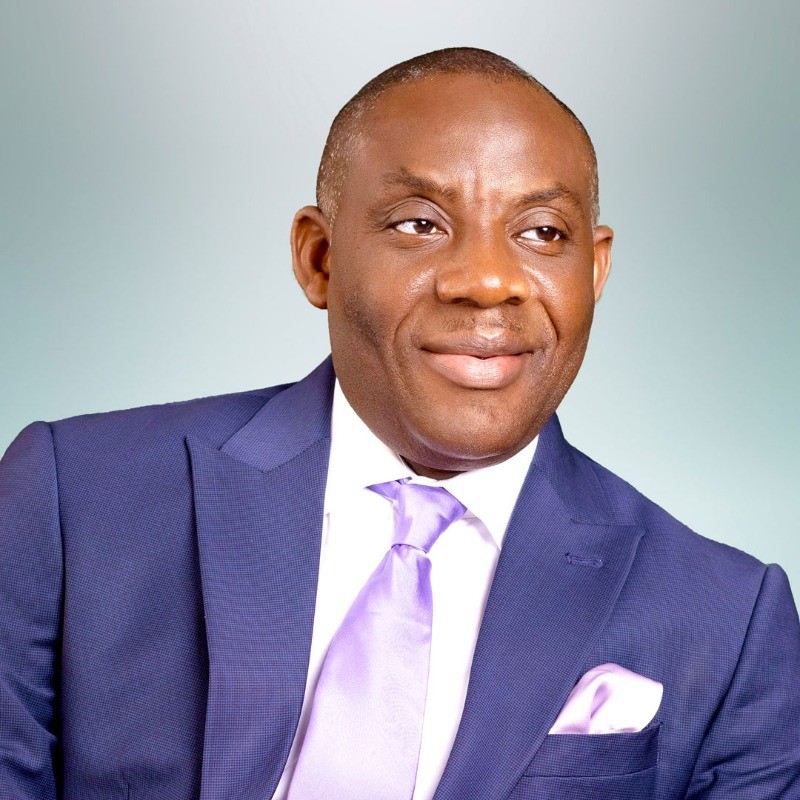
The Minister of State for Education, Dr. Yusuf Sununu, has expressed outrage and deep concern over a disturbing viral video showing students in Delta State sitting for their West African Senior School Certificate Examination (WASSCE) at night under torchlight. The incident, which took place at an unidentified examination centre in Delta State, has sparked national condemnation and reignited conversations about the poor state of infrastructure and education standards in parts of the country.
In the now-viral clip, students were seen writing their exams in the dark, huddled over their answer sheets, using torchlights and mobile phone lights to see. The footage, believed to have been recorded by a concerned observer, has drawn widespread criticism from the public and education stakeholders who described the situation as shameful and inhumane.
Minister Calls Incident ‘Totally Unacceptable’
Reacting during an inspection of WASSCE centres in Asaba, Delta State on Friday, May 24, Dr. Sununu condemned the incident in strong terms, describing it as “totally unacceptable and a grave violation of standard examination protocols.” The Minister emphasized that the conditions under which the students were made to take the exam were not only humiliating but also posed serious risks to their health, performance, and mental well-being.
“This is not only embarrassing, it is completely unacceptable in 2025,” Sununu said. “The idea that our children are writing one of the most important exams of their lives under torchlight at night is indicative of serious neglect and mismanagement. We must hold those responsible accountable.”
He further stated that education authorities and local stakeholders in Delta State must provide an explanation and face the consequences of such administrative failure. “As a government, we are committed to ensuring that such an incident does not happen again anywhere in Nigeria,” the Minister added.
Probe Ordered, FG Demands Accountability
In response to the public outrage and media attention the incident has received, the Federal Ministry of Education has launched an investigation into the circumstances surrounding the nighttime exam session. Dr. Sununu disclosed that the Ministry has written to the West African Examinations Council (WAEC) and the Delta State Ministry of Education, demanding a full report.
“The Federal Government has zero tolerance for such negligence,” the Minister stated. “We have directed WAEC to ensure that their exam centres, nationwide, meet the minimum standard for safety, lighting, and student comfort.”
He also revealed that a monitoring and compliance team from Abuja has been dispatched to Delta State to gather firsthand information and make recommendations for disciplinary or corrective action.
Delta State Government Responds
In its initial reaction, the Delta State Ministry of Basic and Secondary Education admitted that the exam took place under substandard conditions, citing unexpected logistics failures as the cause. A representative from the ministry explained that a delay in transporting examination materials and a temporary power outage contributed to the decision to proceed with the exam in the evening.
While apologizing to the affected students and parents, the state government promised to review its exam logistics strategy and ensure better coordination with WAEC and local school authorities in future exams. However, critics argue that such failures are part of a larger, systemic issue of poor infrastructure and lack of preparedness in many public schools.
Nigerians React with Shock and Disappointment
The video and its aftermath have triggered strong reactions across social media, with many Nigerians questioning the state of the public education system. Prominent civil society groups, teachers’ unions, and parent associations have called for accountability and investment in rural school infrastructure.
“This is not just about Delta State—it’s about the value we place on education across Nigeria,” said Esther Okonkwo, a Lagos-based education advocate. “Our students deserve better. No child should sit an exam in the dark in this day and age.”
Call for Reform and Infrastructure Investment
Beyond condemnation, education stakeholders are now calling for strategic reforms to prevent a recurrence of such incidents. Recommendations include the provision of backup power systems at exam centres, improved supervision and coordination among federal and state authorities, and strict penalties for school administrators who fail to meet basic operational standards.
The National Union of Teachers (NUT) has urged the government to treat the incident as a wake-up call. “It’s not just a local failure; it reflects a broader negligence in our public education system. Teachers, students, and parents are the ones who suffer most,” the union stated.
A Turning Point?
While the torchlight WASSCE scandal has sparked public fury, it may also serve as a pivotal moment for renewed focus on educational reform. Dr. Sununu has vowed that the Ministry will intensify its nationwide inspection of examination centres and increase investments in critical infrastructure.
“This is a turning point,” the Minister concluded. “We owe it to our children to ensure they have the right environment to learn, grow, and succeed. Anything less is a betrayal of their future.”


