By Deji Osas
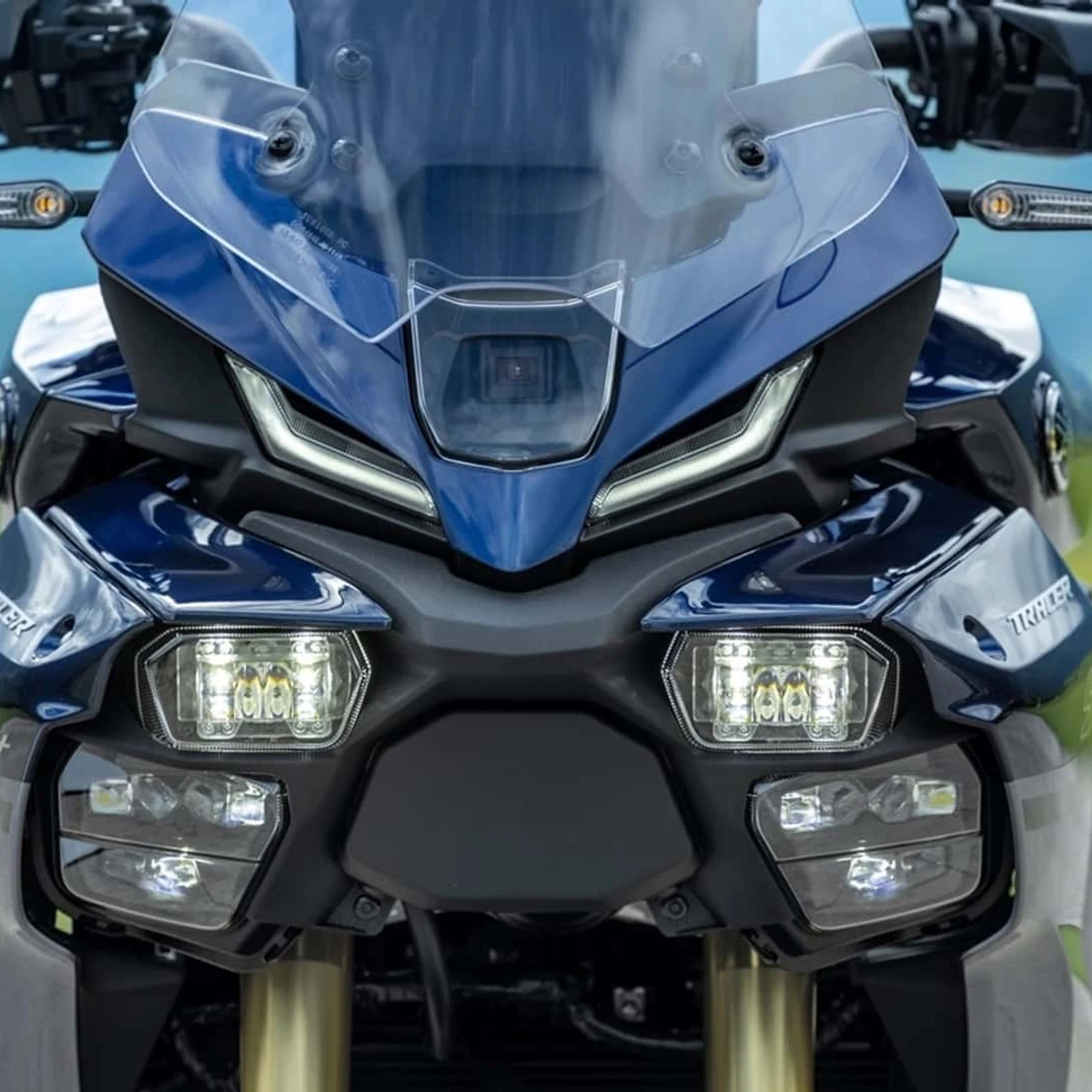
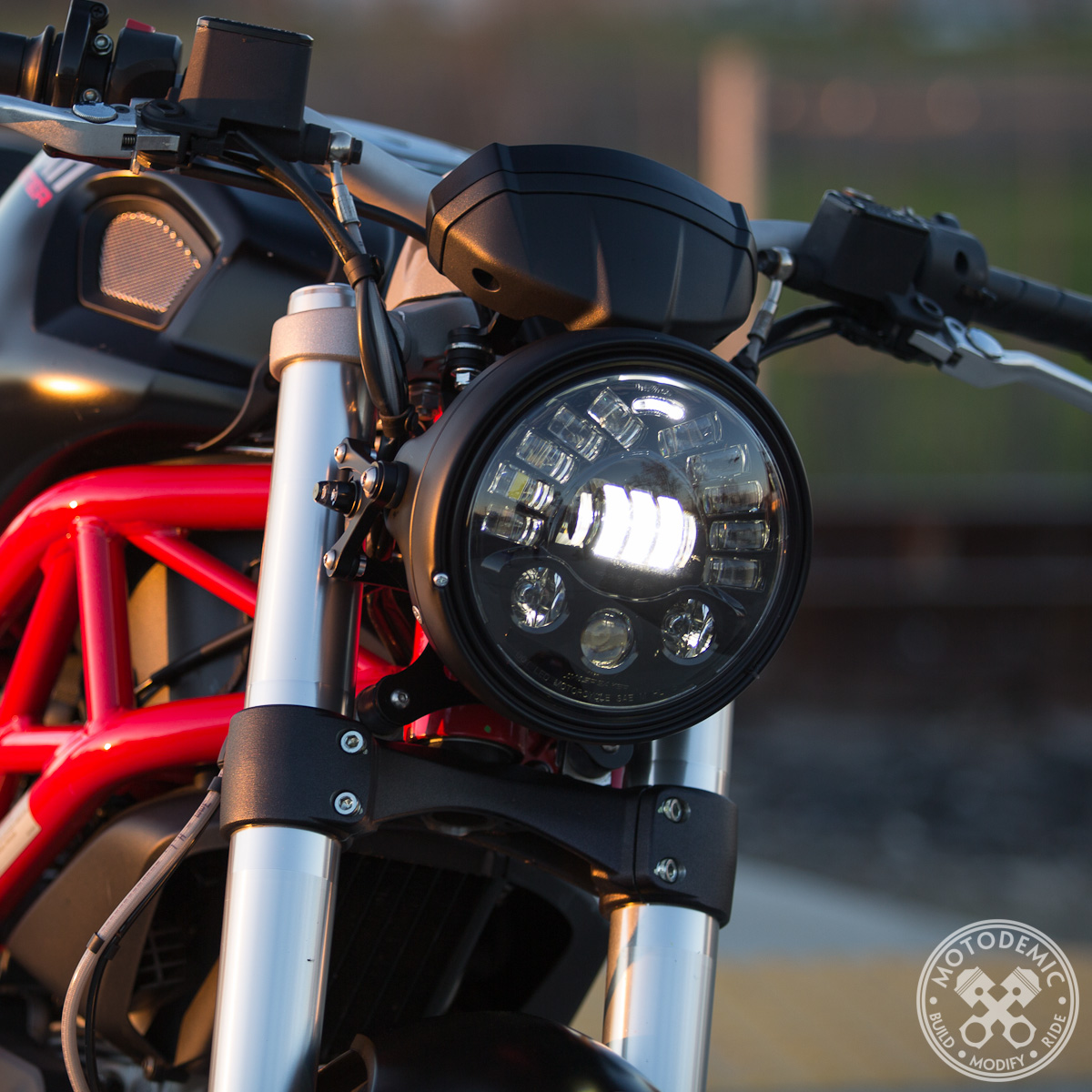
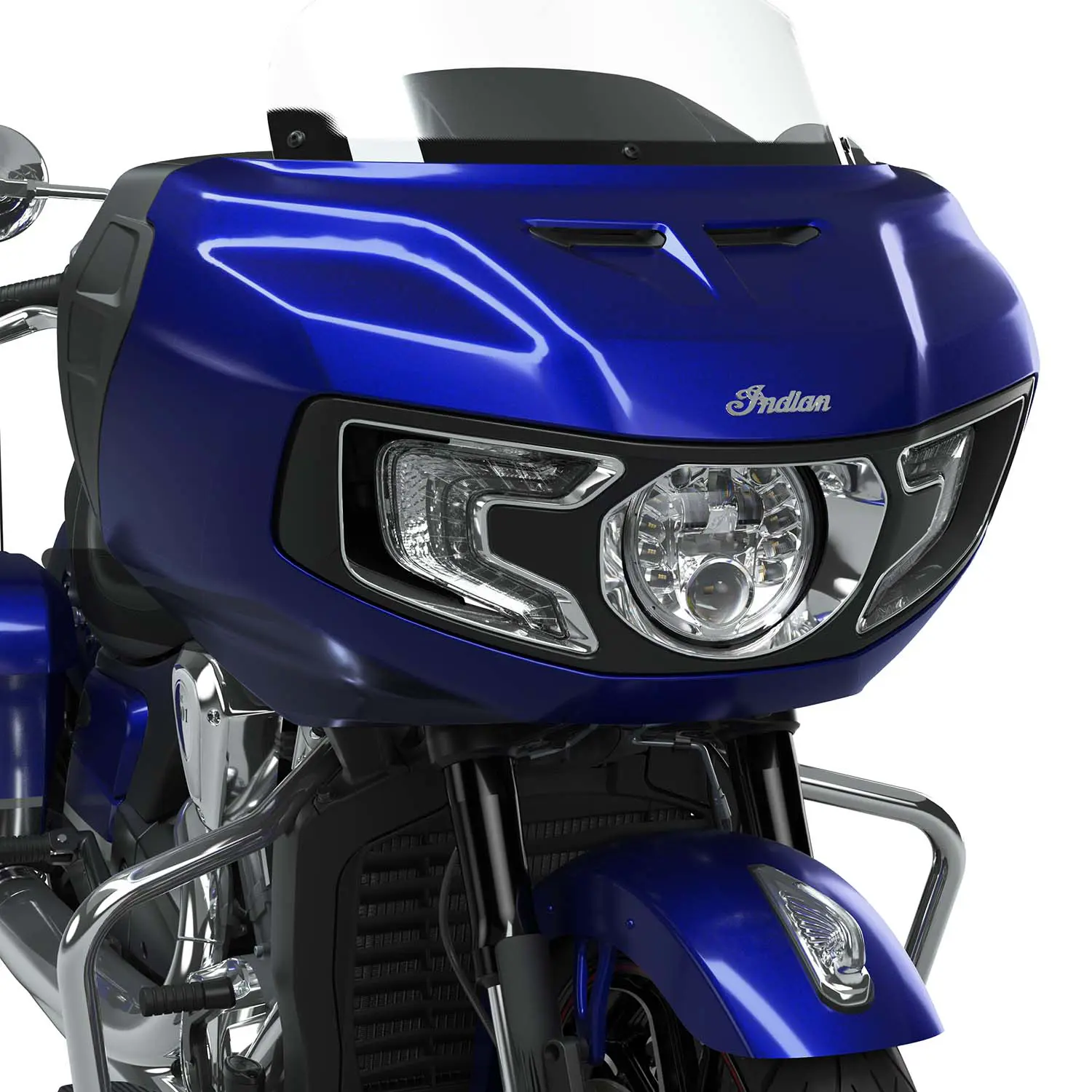
In a leap forward for motorcycle safety and technology, advanced adaptive LED headlights—once reserved for luxury cars—are now making their way onto two wheels. Major motorcycle manufacturers have begun integrating the cutting-edge lighting system into new models, promising riders enhanced visibility, smarter illumination, and safer night-time riding.
Adaptive LED headlights automatically adjust the direction, intensity, and spread of light based on a motorcycle’s speed, lean angle, and surrounding traffic conditions. This means that riders will no longer be limited by the fixed beam of traditional headlights when cornering or navigating poorly lit roads.
Lighting That Moves with You
Unlike standard headlights, adaptive LEDs pivot and adjust in real time. For instance, when a rider leans into a turn, the lights will follow the movement, projecting a beam into the direction of the curve. This significantly improves visibility in situations where traditional headlights often fall short—especially on winding roads or during fast cornering.
“Bringing adaptive lighting to motorcycles is a game-changer,” said Lars Müller, a lighting engineer at Bosch, one of the key suppliers of motorcycle lighting systems. “It enhances both safety and rider confidence, especially in challenging environments.”

Already in Premium Models
Brands like BMW Motorrad, Ducati, and Yamaha have already begun rolling out adaptive lighting in select premium models. BMW’s R 1250 RT, for example, features a full adaptive LED setup that includes dynamic cornering lights, auto-dimming features, and ambient light sensors.
Meanwhile, KTM and Triumph are also working on incorporating similar systems into their sport-touring and adventure bikes. As the technology becomes more affordable, experts predict it will trickle down to mid-range and even entry-level models over the next few years.
Safety and Smart Tech Combined
According to studies by the Insurance Institute for Highway Safety (IIHS), poor lighting is a contributing factor in many nighttime motorcycle accidents. Adaptive LED headlights not only improve the rider’s vision but also make the motorcycle more visible to other road users by adjusting light patterns based on traffic and weather.
Many of these systems will also feature auto-high beam control, LED matrix arrays, and Bluetooth integration, allowing riders to customize lighting preferences via smartphone apps.
A Bright Future for Riders
As motorcycle safety continues to evolve alongside automotive innovations, the integration of adaptive LED headlights represents a critical step forward. Not only do they enhance the riding experience, but they also address long-standing visibility concerns that have plagued night riding for decades.
With technology continuing to close the gap between cars and motorcycles, the roads ahead for two-wheelers are looking brighter—literally.