

By Health News Analyst
Geraldine Ohonba
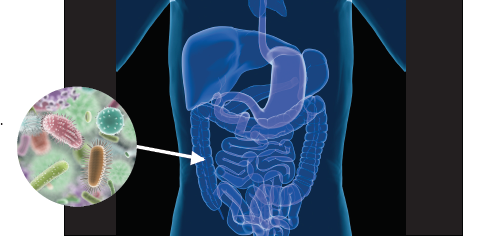
Scientists in Canada have uncovered a surprising culprit behind rising rates of diabetes and fatty liver disease—an overlooked molecule created in the gut. Even more striking, they have developed a way to block it before it harms the body.
The Hidden Molecule Fueling Disease
The molecule, known as D-lactate, is produced when certain gut bacteria break down food. In small amounts, it poses no risk. But in people who consume diets high in processed foods, sugar, and unhealthy fats, these bacteria multiply and generate far too much D-lactate.
Once in the bloodstream, the compound places heavy stress on the liver, forcing it to produce excess sugar and fat. Over time, this contributes to fatty deposits, inflammation, and rising blood sugar—factors that drive both type 2 diabetes and fatty liver disease.
A Polymer Shield in the Gut
To solve the problem, researchers from McMaster University, Université Laval, and the University of Ottawa created a biodegradable “trap” polymer. This special compound works inside the intestines, binding tightly to D-lactate and preventing it from being absorbed into the blood.
In tests on obese mice, the polymer showed remarkable results. Mice that ate food mixed with the compound had:
-
Lower blood sugar levels
-
Improved insulin response
-
Reduced fat buildup in the liver
Notably, these improvements happened without weight loss or dietary changes, showing that blocking D-lactate alone can protect the body.
A New Direction in Treatment
“This is not about changing what the liver does—it’s about stopping the harmful message from the gut before it even reaches the liver,” said Dr. Jonathan Schertzer, one of the study’s lead authors.
Traditionally, diabetes and fatty liver disease are managed by lowering blood sugar through drugs or diet. This new method, however, targets the source of the problem in the gut itself—offering a groundbreaking shift in treatment strategy.
Looking Ahead
The research, published in Cell Metabolism, offers hope to the more than 38 million Americans with type 2 diabetes and the 83 million with fatty liver disease. Both conditions are rising at alarming rates worldwide, with experts predicting diabetes cases could more than double by 2050.
If the polymer trap proves effective in humans, it could pave the way for safe, non-invasive therapies that reduce the burden of these diseases—without requiring drastic lifestyle changes.
“This is a brand-new way to think about metabolic health,” said Dr. Schertzer. “We’re learning that what happens in the gut may be the key to protecting the entire body.”

