

Society Gist Editor
Ude Emmanuel
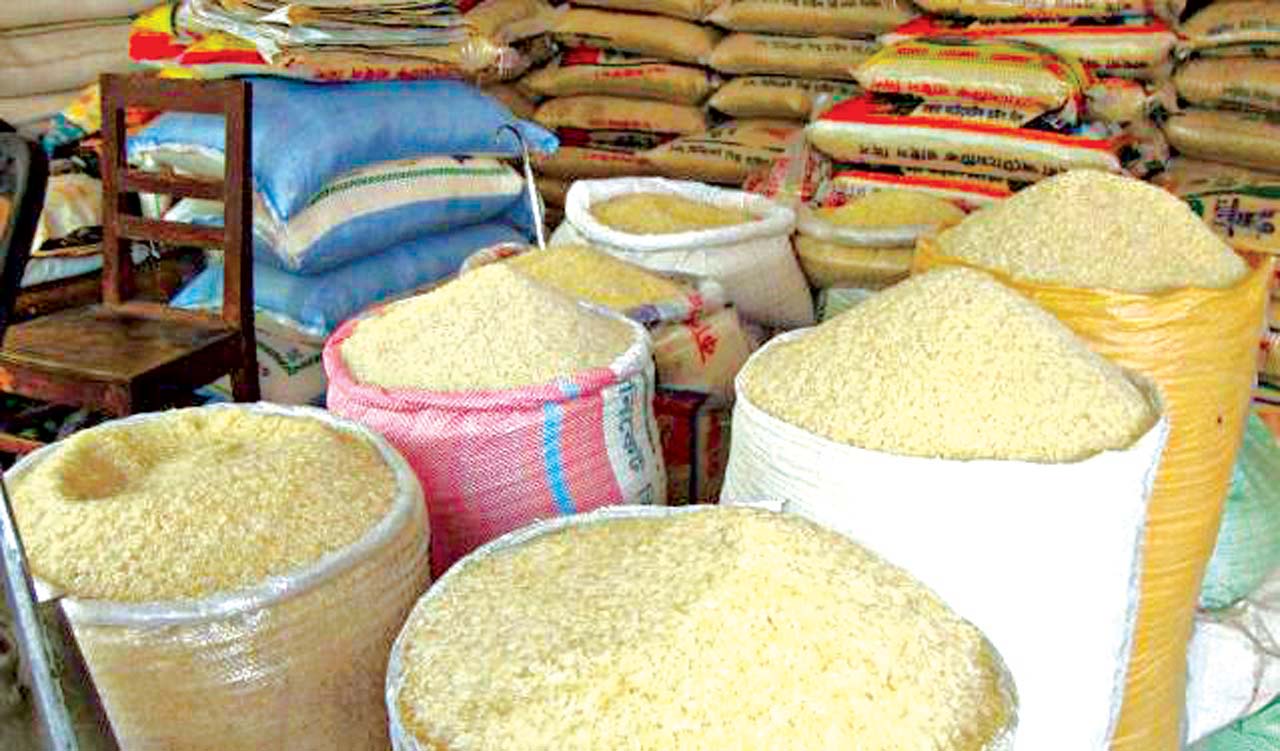
The cost of living in Nigeria has taken yet another hit as the price of a 50kg bag of rice has once again surged to ₦100,000 in major markets across the country, leaving many citizens distressed and worried about how to survive the deepening food crisis.
In markets from Lagos to Kano, Abuja to Port Harcourt, rice—Nigeria’s most consumed staple food—has become increasingly unaffordable for the average household. Traders blame the fresh price hike on a combination of factors including high transportation costs, exchange rate volatility, import restrictions, and the continued insecurity plaguing farming communities in the northern part of the country.
“We don’t know what to eat anymore,” said Mrs. Olabisi Adeyemi, a mother of five at Mile 12 market in Lagos. “Even garri and beans have become expensive. Now rice is ₦100,000 again? This government should come to our aid.”
Just a few months ago, the same 50kg bag was selling for between ₦65,000 and ₦75,000. With the recent spike, rice is now priced out of reach for many lower- and middle-income families who once relied on it as an affordable staple.
Market Realities and Traders’ Lament
In Wuse Market, Abuja, rice sellers say the situation is frustrating even for them. “We are not making profit anymore because people are not buying,” said Bashir Abdullahi, a trader. “A customer who used to buy a bag now comes to ask for half paint. It’s embarrassing for both of us.”
Many traders cite a drop in imports due to forex challenges, insecurity in rice-producing regions like Benue, Kebbi, and Taraba, and the rising cost of diesel for transporting goods as key contributors to the price hike.
Economic Pressure Mounts
The rising cost of rice comes amid worsening inflation, which currently stands above 30% according to the National Bureau of Statistics (NBS). Food inflation alone is at record highs, pushing many families below the poverty line.
“We’re seeing more people come to food banks and churches for help,” said Pastor Eze Emenike of a community church in Enugu. “This is no longer a joke. People can’t feed themselves.”
Calls for Government Action
Citizens and civil society groups are calling on the federal government to intervene urgently. Recommendations include boosting local rice production through mechanized farming, improving rural security, subsidizing agriculture, and removing bureaucratic bottlenecks affecting food distribution.
While the Tinubu-led administration has promised to stabilize the economy, critics argue that little has been done to cushion the effects of inflation on the masses.
As prices continue to climb and frustration deepens, the question on many lips remains: How much longer can Nigerians endure this hardship without real and immediate intervention?

