

By Gloria Nosa

In the high-stakes world of political power and security, words can be both weapons and vulnerabilities. For Vladimir Putin, the President of Russia, communication often transcends spoken language, relying heavily on the subtle art of nonverbal signals. These silent commands, especially when directed toward his security detail, reveal a sophisticated layer of control, discipline, and trust that is as crucial as any verbal directive.
Putin’s use of nonverbal communication is rooted in the need for discretion and efficiency. In environments where conversations can be overheard or misinterpreted, silent signals ensure that commands are delivered without alerting adversaries or the public. His security team, trained to respond to these cues instantly, acts as an extension of his will, maintaining a seamless protective shield.
Sign language, hand gestures, eye movements, and subtle body language compose a secret vocabulary between Putin and his aides. A slight tilt of the head, a raised eyebrow, or a discreet hand motion can signal an imminent threat, a change in the security perimeter, or an urgent instruction. This nonverbal lexicon requires intense training and a deep understanding of Putin’s behaviors, making his security detail not just bodyguards but highly attuned communicators.
Moreover, Putin’s mastery of nonverbal cues extends beyond his security team. His body language in public appearances—confident postures, purposeful gestures, and controlled facial expressions—projects strength and decisiveness. This silent rhetoric influences not only those around him but also global audiences, crafting an image of unshakeable authority.
In essence, Putin’s nonverbal power exemplifies the crucial role of silent communication in leadership and security. It underscores a reality where sometimes, saying nothing speaks volumes, and the command in a gesture can be mightier than words.
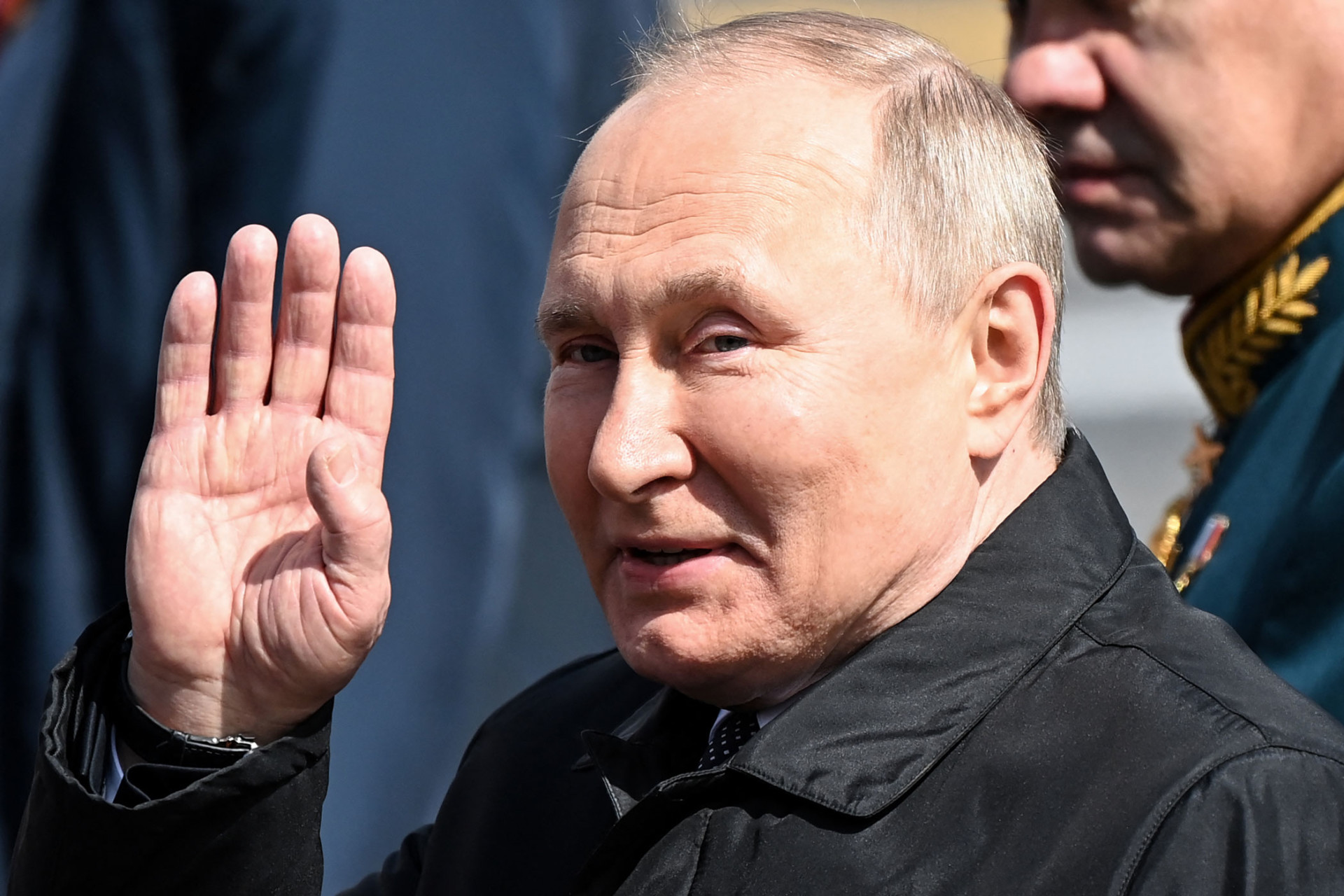
A Glimpse into the Silent Language of Leadership and Security
In the geopolitical theatre where optics can be as potent as policies, Vladimir Putin has long mastered the performance of power. But beyond his infamous speeches, iron-fisted decisions, and calculated diplomacy lies another, more subtle weapon in his arsenal—nonverbal communication.
Putin’s command of silence isn’t just psychological; it’s tactical. From how he walks into a room to the nearly invisible gestures exchanged between him and his elite security operatives, Putin wields body language and coded signals as tools of covert control, both in public and behind closed doors.
The Origins of Putin’s Silent Communication Style
Putin’s reliance on nonverbal communication can be traced back to his years in the KGB, where discretion, surveillance, and understanding behavior were essential survival tools. There, he learned to read people without words, to manipulate situations with poise, and—more importantly—to command without sound.
These habits didn’t disappear when he transitioned into politics; they evolved. His presidency became an extension of the skills he honed in intelligence, where control isn’t always exerted through overt actions but through subtle dominance and message management.
2. The Secret Signs: Putin and His Security Detail
When Putin appears at public events, press conferences, or high-level meetings, he’s never truly alone. His security detail, including the Federal Protective Service (FSO)—an elite branch responsible for presidential protection—is always present, always watching.
But unlike typical bodyguards who might speak discreetly into earpieces or receive commands via radio, Putin often uses nonverbal cues—a private code of gestures, facial expressions, and body posture that convey orders quickly and silently. Here are some widely speculated examples:
-
Hand Gesture (Palm down, subtle flick): This is often interpreted as a signal to reduce proximity—usually when a crowd or a delegation begins to encroach too closely.
-
Eye Contact and Brow Raise: A quick lock of the eyes with a particular aide or guard, paired with a lifted eyebrow, can signal heightened alertness or the need to shift formation.
-
Finger Tap on Wrist or Ring: This might suggest a check on timing, schedule changes, or even a discreet request to cut an engagement short.
-
Shift in Stance (Weight transfer, heel turn): Trained guards may interpret this as a readiness cue, prompting subtle movement or realignment of position.
These cues require precision and intense rehearsal. Every guard in his circle is meticulously trained not just in physical defense but in behavioral synchronization, ensuring their reactions are immediate, precise, and invisible to the untrained eye.
Power Postures in the Public Eye
Putin’s nonverbal control doesn’t end with his guards—it extends to his audience and rivals. His body language during international summits and meetings with other world leaders is calculated and deliberate:
-
The Alpha Lean: During one-on-one meetings, Putin often leans in just slightly—not enough to seem eager, but enough to project dominance and confidence. It’s a technique used to appear in control without speaking a word.
-
Extended Eye Contact: He rarely breaks eye contact first. In psychological terms, this signals superiority or control, especially in power negotiations.
-
Stillness: Unlike many politicians who gesture frequently, Putin often remains unnervingly still. This stillness can create discomfort or tension—shifting the power dynamic in his favor.
-
Delayed Reaction: In many interactions, he responds after a deliberate pause. This makes him appear contemplative and unshakable, a man who cannot be rushed.

Silence as Strategy
In high-stakes situations—especially during public crises or international conflicts—Putin is known for maintaining strategic silence. This isn’t passive behavior. In fact, saying nothing can be more commanding than speaking.
When questions arise that could implicate the Kremlin or demand moral positioning, Putin’s silence has often allowed ambiguity to become a tool. It keeps opponents guessing, allies cautious, and the public fixated.
His control over silence is a reminder: in diplomacy, what is unsaid often carries more weight than what is said.

What It Reveals About Putin’s Leadership Style
Putin’s reliance on nonverbal cues is more than just tactical—it’s deeply revealing. It underscores a leadership philosophy rooted in calculated dominance, emotional restraint, and psychological chess.
He leads not by over-explaining, but by observing, by commanding through presence. In a world where power is often associated with volume, Putin’s strength lies in control, not noise.
His use of silent communication reflects:
-
Trust in inner circles trained to understand without question.
-
A belief in precision over performance.
-
An intellectual style of command, where emotionality is replaced by strategy.
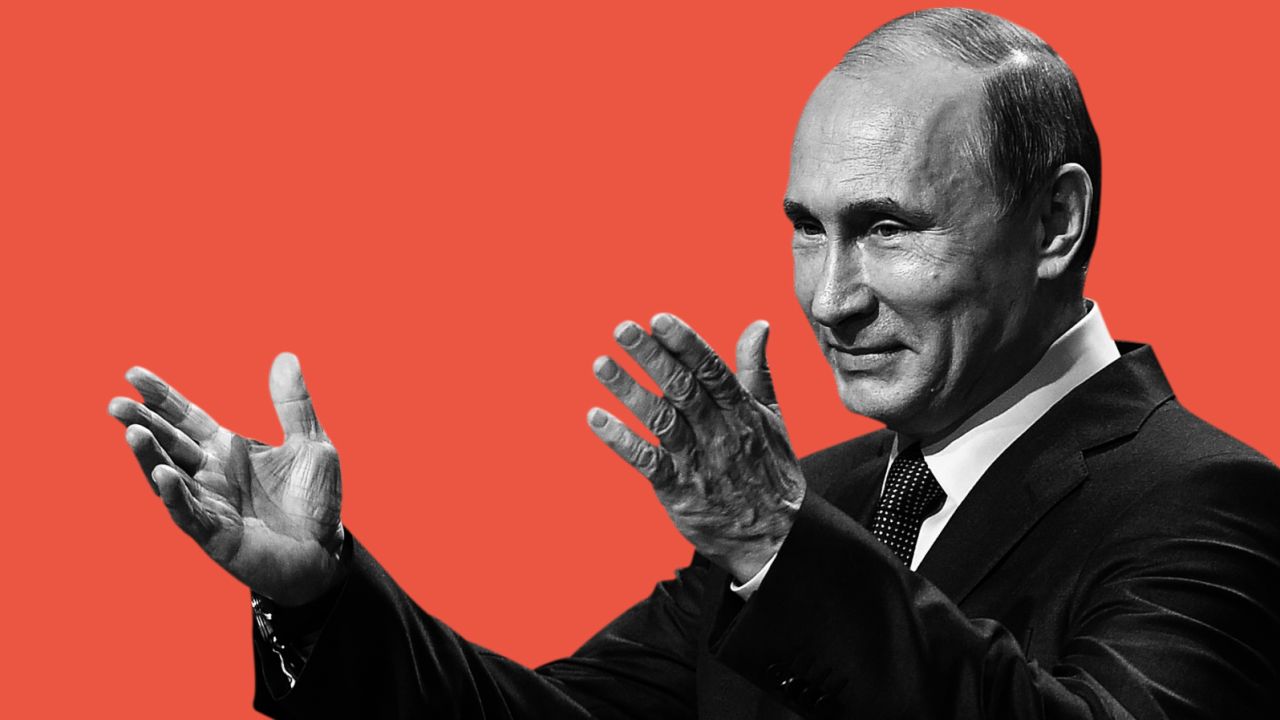
The Sound of Power is Silence
Vladimir Putin’s mastery of nonverbal power isn’t just a quirk of his personality—it’s a window into the deeper mechanics of his governance. In an era of over-communication, where tweets and headlines dominate diplomacy, Putin’s silent style speaks volumes.
In the way he nods, glances, or simply stands still, there’s a message. It says: “I don’t need to speak to be heard.”
And in the world of global power plays, that silence may be the loudest signal of all.


