

By Gloria Nosa
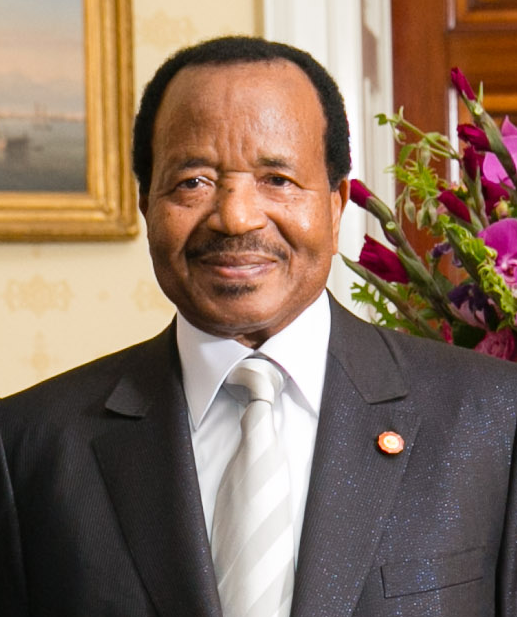
In a historic yet controversial outcome, Cameroon’s longtime leader Paul Biya has once again emerged victorious in the country’s presidential election, securing a new term at the age of 92. The result, announced by the national electoral commission on Monday, cements Biya’s position as Africa’s oldest and one of the world’s longest-serving presidents, extending a rule that has spanned more than four decades.
An Eighth Term for the Indomitable President
According to official figures, President Biya won 53.66 percent of the vote in the October 12 election, defeating his closest challenger Issa Tchiroma Bakary, who garnered about 35.19 percent. Several minor opposition candidates shared the remaining votes. The election turnout was estimated at around 68 percent, with voters in Biya’s strongholds of the South and Center regions largely propelling him to victory.
This triumph marks Biya’s eighth consecutive term in office since he first assumed the presidency in 1982 following the resignation of Cameroon’s founding leader, Ahmadou Ahidjo. Over the years, Biya has outlasted multiple political generations, seen six French presidents come and go, and maintained a near-total grip on power through a combination of political maneuvering, state control, and a loyal security apparatus.
In his victory speech broadcast on national television, Biya thanked Cameroonians for what he called their “renewed trust in continuity and stability,” promising to “keep guiding the nation toward peace and modernization.”
“I have heard your voices,” Biya said in a calm but firm tone. “Cameroon’s unity will remain intact. We will continue the path of progress, reform, and dialogue.”
A Controversial Mandate Amid Opposition Rejection
Despite the celebratory tone from the ruling Cameroon People’s Democratic Movement (CPDM), opposition parties have strongly disputed the results, alleging widespread irregularities, vote suppression, and intimidation in several opposition-dominated regions, particularly in the Anglophone Northwest and Southwest.
Opposition leader Issa Tchiroma Bakary, who had earlier called for electoral reforms before the vote, described the outcome as “a tragic setback for democracy.” In a post-election statement, he said:
“This was not a contest of ideas but a contest of survival. The people of Cameroon deserve better than the recycling of one man’s power for over forty years.”
International observers have expressed mixed reactions. The African Union (AU) mission noted that the election was “generally peaceful but fell short of full transparency in some areas,” while the European Union (EU) delegation cited “concerns about access to polling stations, voter intimidation, and the independence of the electoral body.”
Despite these criticisms, Biya’s government insists that the process was free, fair, and reflective of the people’s will. Government spokesperson René Sadi said that “Cameroon has once again demonstrated its democratic maturity,” dismissing opposition protests as “acts of desperation by sore losers.”
Forty-Three Years of Rule and Counting
Paul Biya’s latest victory stretches a political career that began more than four decades ago, making him the second-longest-ruling leader in Africa after Teodoro Obiang Nguema Mbasogo of Equatorial Guinea. Since coming to power in November 1982, Biya has maintained a reputation for political resilience—some call it cunning—through constitutional changes, strategic reshuffles, and a carefully managed cult of personality.
In 2008, Biya engineered a constitutional amendment removing term limits, effectively allowing him to run indefinitely. His supporters hail him as “the father of modern Cameroon,” crediting him with keeping the nation relatively stable amid regional turmoil. His critics, however, accuse him of authoritarianism, corruption, and neglect of the country’s economic and social needs.
Cameroon’s Anglophone regions have faced years of unrest and armed conflict, with separatist movements seeking independence from what they call “Francophone domination.” Under Biya’s leadership, the government has responded with military force, leading to human-rights concerns and displacement of civilians. Despite this, Biya has managed to retain strong support among the Francophone majority, partly through his patronage networks and control over the ruling party structure.
Health, Legacy, and the Question of Succession
At 92 years old, Biya’s physical frailty has become a recurring topic of speculation. He has often been absent from public appearances for long stretches, sometimes spending extended periods in Geneva, Switzerland. Yet his loyalists insist that he remains fully in command of state affairs.
Analysts say his reelection deepens uncertainty about Cameroon’s future once he eventually leaves office. The absence of a clear succession plan has fueled quiet power struggles within the ruling elite. Political commentator Francis Ngong told reporters:
“Cameroon is entering uncharted waters. Biya’s rule has become so intertwined with the state itself that no one knows what comes after him. His reelection buys stability for now, but it also delays an inevitable political reckoning.”
Public Reaction: A Nation Divided
In the capital city of Yaoundé, Biya’s supporters took to the streets waving the national flag and chanting slogans like “Long live Papa Paul!” while others blasted car horns in celebration. However, in opposition strongholds like Douala and Bamenda, the mood was grim. Protesters carried placards reading “Forty-three years is enough!” and “Cameroon is not a monarchy.”
Security forces were deployed across major cities, and reports indicated that at least 15 people were arrested during small-scale demonstrations. Social-media platforms were flooded with mixed reactions—some congratulating the veteran leader for his endurance, others expressing frustration over what they described as “electoral recycling.”
Looking Ahead
With another seven-year term ahead of him, Biya faces formidable challenges: restoring peace in the Anglophone regions, reviving an economy hit by inflation and youth unemployment, and managing public frustration over corruption and inequality.
Political analysts say that this victory might serve as Biya’s final bow, a chance to shape his legacy and potentially oversee a transition. Yet if his long history in power is any indication, Cameroon’s oldest leader is unlikely to retire voluntarily.
As one opposition figure put it bitterly after the results were announced:
“Paul Biya has not just won an election. He has won time itself.”

