

By John Umeh


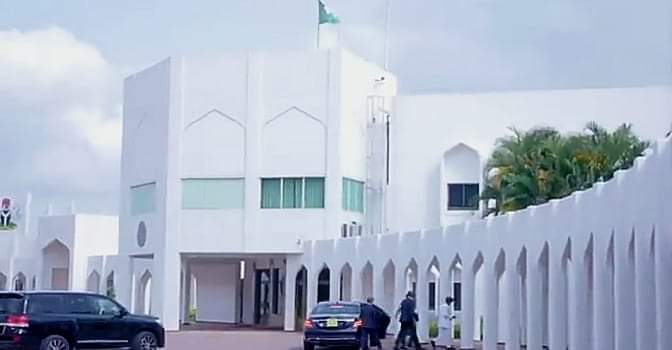
Caption: Peter Obi questions the Federal Government’s decision to power Aso Rock with solar, calling it a troubling signal about confidence in Nigeria’s electricity system.
Former Labour Party presidential candidate Peter Obi has sharply criticised President Bola Ahmed Tinubu over what he described as unfulfilled promises on stable electricity supply, raising concerns about plans to disconnect the Presidential Villa from the national grid.
In a statement shared on his X account, Obi recalled Tinubu’s campaign pledge to deliver steady power within four years in office. He argued that more than two and a half years into the administration, Nigerians are still battling erratic electricity while the grid continues to struggle.
“Thirty-two months after being in charge and instead of living by his powerful words, he now dumps the National Grid that has been performing abysmally under his watch,” Obi wrote.
Concerns Over Aso Rock’s Solar Shift
The criticism follows reports that the Federal Government allocated ₦10 billion in the 2025 budget for a solar mini-grid project at Aso Rock. Additional funds were reportedly proposed in the 2026 budget for upgrades and maintenance, alongside plans for the Villa to rely fully on solar power.
Obi described the development as “deeply worrisome,” questioning the optics of the nation’s seat of power stepping away from the same grid millions of Nigerians depend on daily.
“If those in authority disconnect themselves from the system, who then will connect the ordinary Nigerian to reliable power?” he asked.
According to him, government institutions should be at the forefront of strengthening and reforming the national grid rather than opting out of it.
Leadership, Accountability and Public Perception
While acknowledging that renewable energy — particularly solar — is a necessary part of Nigeria’s energy future, Obi maintained that the timing and messaging send the wrong signal.
He argued that leadership should demonstrate shared sacrifice and visible effort, especially when campaign promises remain unmet.
“Nigerians do not expect 100 percent fulfilment of promises,” Obi stated, “but they do expect 100 percent effort, measurable progress, and honest communication when challenges arise.”
Broader Energy Challenges
Nigeria’s national grid has faced recurring collapses and generation shortfalls, affecting homes, businesses and industries across the country. The proposed solar project at the Presidential Villa has been interpreted by some analysts as both a shift toward renewable solutions and an indication of diminished confidence in the centralised grid system.
The debate now centres on whether powering Aso Rock independently represents innovation and sustainability — or an admission that the broader electricity infrastructure remains deeply troubled.
As the conversation unfolds, the issue of reliable power supply continues to be a defining test of governance and public trust in Nigeria.

