By John Umeh
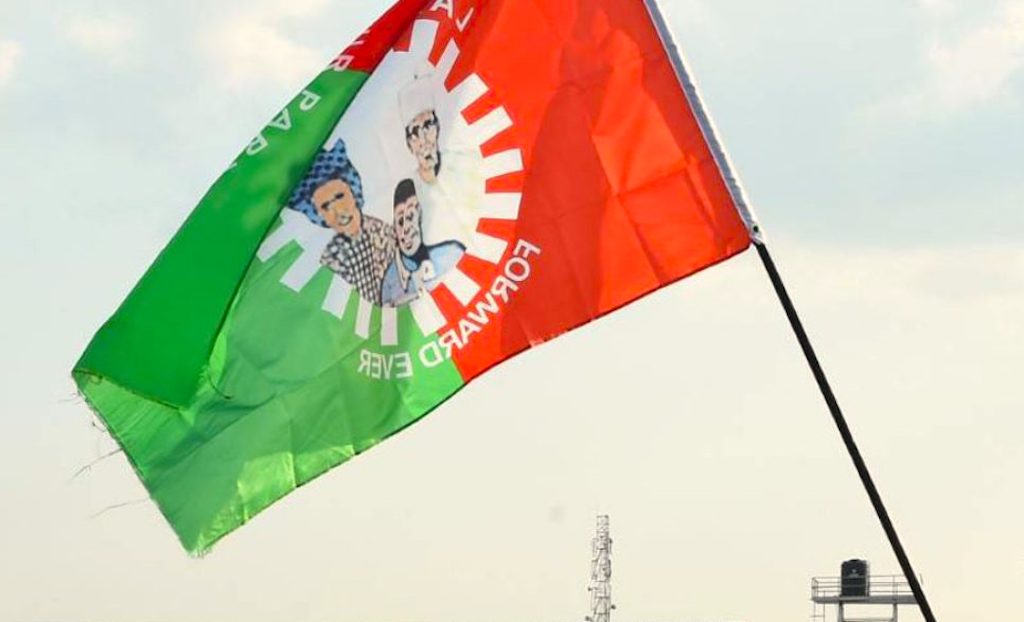
In a significant development ahead of Nigeria’s 2027 general elections, the camp of Julius Abure, National Chairman of the Labour Party (LP), has officially thrown its weight behind Peter Obi as the party’s presidential candidate. This endorsement marks a pivotal moment in the LP’s efforts to consolidate internal unity and build momentum for what many believe could be a defining election in Nigeria’s democratic history.
Peter Obi, who emerged as a strong third force in the 2023 elections, gained massive popularity, particularly among young voters, due to his promises of accountability, good governance, and economic reform. Although he did not win the presidency in 2023, Obi’s campaign reshaped Nigeria’s political narrative and positioned the Labour Party as a formidable alternative to the two dominant parties—the All Progressives Congress (APC) and the Peoples Democratic Party (PDP).
The Abure-led faction’s decision to back Obi once again underscores his enduring influence and the strategic importance of a united front within the LP. Speaking to journalists in Abuja, key figures from Abure’s camp described Obi as the “people’s candidate” and the “most credible option” for the 2027 presidential race. They stressed that the party had learned lessons from 2023 and was determined to be more organized, inclusive, and proactive in its preparations this time around.
“We believe Peter Obi remains the most qualified and trusted figure to lead Nigeria into a new era of transformation,” said a senior party official from Abure’s camp. “This is not just about politics; it’s about the future of our country.”
The endorsement also appears to put to rest weeks of speculation regarding Obi’s political direction and his relationship with the LP’s leadership. In recent months, there had been internal tensions and rumors of division within the party, with some reports suggesting possible realignment or defection. However, the latest show of support from Abure’s camp signals a renewed commitment to party cohesion and stability.
For Obi, the backing provides a solid foundation as he prepares for another shot at the presidency. In his response, he expressed gratitude for the endorsement and emphasized the need for collaboration across all levels of the party. He called on supporters to remain focused, united, and committed to the Labour Party’s vision of a new Nigeria.
“I am humbled by the confidence reposed in me once again,” Obi stated. “This is not just about one individual. It is about building a nation where every Nigerian has a fair chance. Together, we can make it happen.”
Political analysts see the endorsement as a crucial step in galvanizing the Labour Party’s base and appealing to undecided voters who are disillusioned with the APC and PDP. However, they caution that unity within the party must be sustained through transparent internal processes, inclusive decision-making, and a clear campaign strategy if Obi is to mount a credible challenge in 2027.
With the race to 2027 beginning to take shape, Peter Obi’s renewed alliance with Julius Abure’s camp is expected to set the tone for broader political negotiations and alliances in the coming months. As the Labour Party moves to build on the momentum of 2023, all eyes will be on how it navigates the complex terrain of Nigerian politics—and whether Obi can once again energize the electorate with his message of hope and change.