

By John Umeh
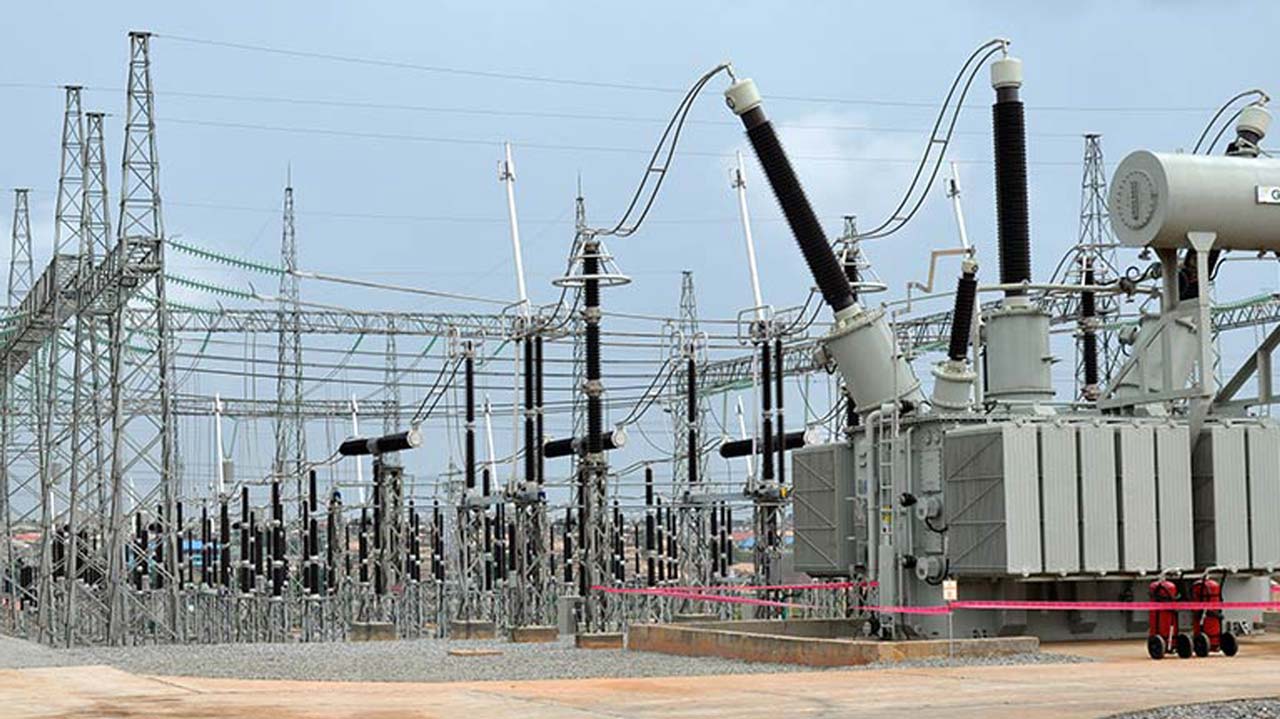
In a bold move aimed at revamping Nigeria’s troubled electricity sector, the Federal Government is reportedly considering selling off its stakes in 11 electricity distribution companies (Discos) to new investors. This development comes on the heels of the recently passed Electricity Act (Amendment) Bill, which is expected to usher in a new era of reforms and decentralization in the nation’s power industry.
The amendment, which received strong support from lawmakers and key stakeholders, grants state governments more autonomy over electricity generation, transmission, and distribution within their territories. More significantly, it opens the door for the Federal Government to divest from Discos that have failed to meet performance benchmarks or attract critical investments needed to modernize infrastructure and expand access to reliable electricity.
Why the Shake-Up?
For years, Nigeria’s power sector has struggled under the weight of poor service delivery, aging infrastructure, billing inefficiencies, and financial instability. The 2013 privatization of the sector, which was meant to resolve these issues, has fallen short of expectations, with many of the Discos underperforming. Frequent blackouts, estimated billing, and inability to meet service-level agreements have left both citizens and industries frustrated.
Government officials say that the proposed sale is not just about getting rid of non-performing assets but about “injecting new life into the distribution arm of the power chain” through credible, financially stable, and technically competent investors.
A senior official at the Federal Ministry of Power who spoke anonymously said:
“This is part of a broader strategy to restructure the power sector and ensure that Nigerians get value for money. The current Disco model isn’t delivering as it should, and the Electricity Act now gives us the flexibility to reconsider who runs what, and how.”
What Will Change?
If the sale proceeds, it will mark the second wave of major privatization in the power sector and could lead to a new crop of investors with the capacity to deliver on performance-based contracts. The government is expected to invite expressions of interest from both local and international firms with a proven track record in utility management and infrastructure financing.
Industry insiders believe this move could also help reduce regulatory bottlenecks, foster healthy competition among regional players, and lead to improved customer service. The Bureau of Public Enterprises (BPE) and the Nigerian Electricity Regulatory Commission (NERC) are expected to play key roles in the due diligence and transaction process.
Additionally, the amended Electricity Act allows for state-level regulation of power markets, enabling subnational governments to take charge of electricity supply. This could lead to a more localized, accountable, and efficient service delivery system—particularly in states like Lagos, Kaduna, and Edo, which already have active electricity projects.
Stakeholder Reactions
The news has drawn mixed reactions from stakeholders in the sector. While some analysts have praised the government’s courage in revisiting Disco ownership, others are urging caution to avoid repeating the mistakes of the past.
Energy policy analyst Tolu Ogunlesi noted:
“While it’s commendable that the government is thinking of new solutions, transparency and rigorous investor vetting must be at the heart of this process. We can’t afford to recycle failed models under new names.”
Meanwhile, labor unions and workers within the Discos have expressed concern about potential job losses and called on the government to ensure that workers’ rights are protected during any transition.
The Road Ahead
The potential sale of the 11 Discos marks a critical turning point in Nigeria’s decades-long struggle to fix its power sector. If handled properly, it could lead to improved efficiency, more reliable supply, and increased investor confidence. However, the success of this move will depend largely on transparency, strong regulatory oversight, and political will.
As Nigeria marches toward a decentralized energy future, citizens are watching closely—hoping this latest shake-up will finally bring the light they have long been promised.

