By Geradine Ohonba
Health Editor/Columnist
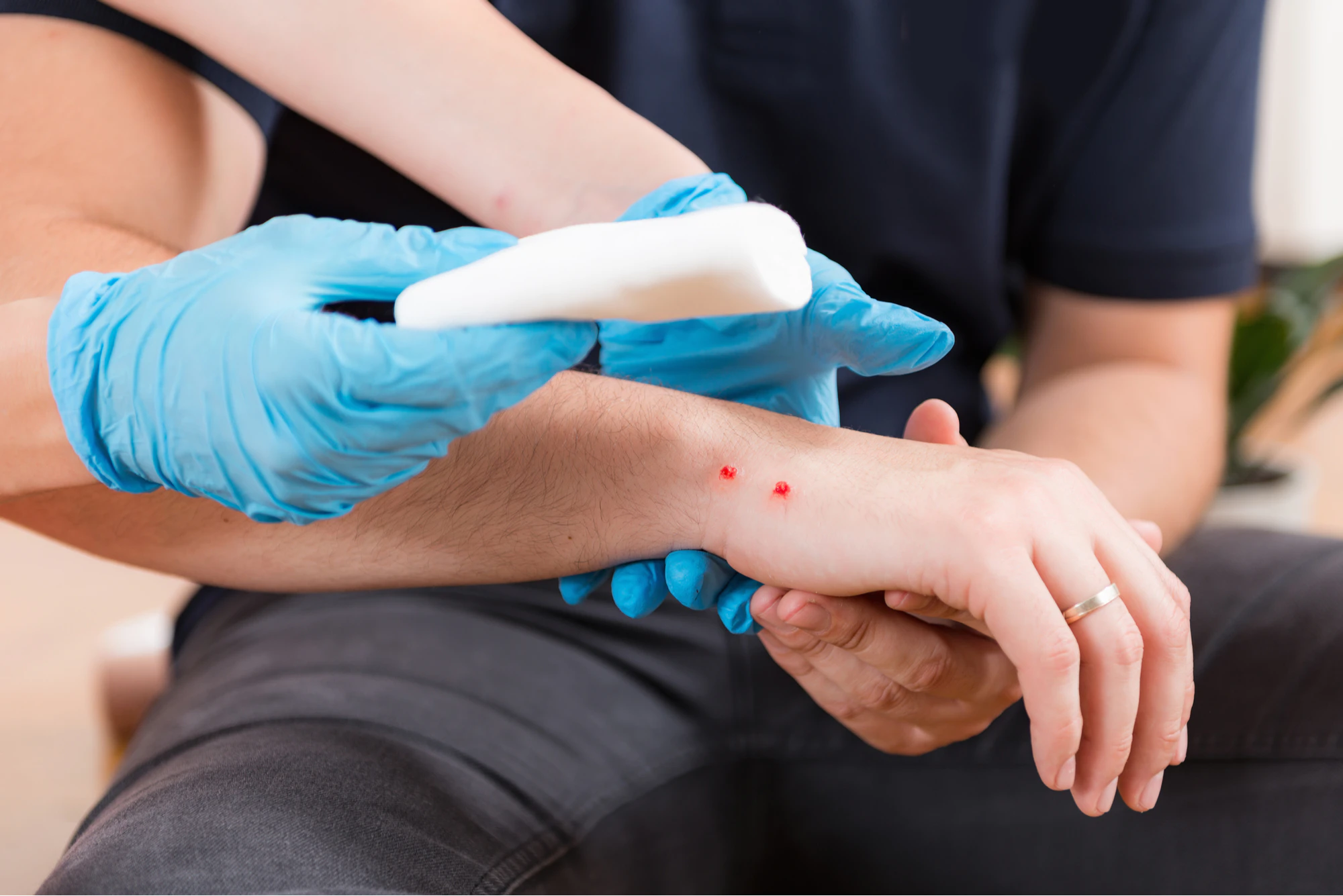
The rainy season is not only known for heavy downpours and flooding but also for a sharp rise in snake bite incidents. Across many parts of Africa, Asia, and Latin America—particularly in rural communities—venomous snakes become more active during these months. This is largely because their natural habitats are flooded, forcing them to seek shelter in drier areas, including homes, farms, and bushy pathways frequented by humans.
Additionally, agricultural activities tend to intensify during the rainy season, exposing farmers and workers to areas where snakes may be hiding. The reduced visibility caused by tall grasses, cloudy skies, and muddy terrain further increases the chances of unintentional human-snake encounters.
According to the World Health Organization (WHO), snakebites are a neglected public health issue. They estimate that nearly 5.4 million snake bites occur globally each year, resulting in up to 138,000 deaths and around 400,000 cases of long-term disability. The rainy season contributes significantly to these numbers.
Understanding how to protect yourself and respond appropriately to a venomous bite can make the difference between life and death. Preparedness, vigilance, and prompt medical attention are key.
Prevention – How to Stay Safe and Avoid Snake Bites
1. Keep Your Environment Clean and Dry
Snakes are drawn to damp, cluttered areas with plenty of hiding spots. Keep your surroundings clean and well-trimmed. Clear bushes, tall grasses, and piles of debris near homes or farmlands. Regularly inspect and seal cracks, holes, or burrows around your property.
2. Wear Protective Clothing
If you must walk through bushy or flooded areas, especially during farming, wear boots and long pants. Rubber boots are ideal because many snakes cannot bite through them. Also, use a stick to probe the ground in front of you when walking through thick vegetation.
3. Use a Light at Night
Many snake species are nocturnal. Always carry a flashlight or lantern when walking outside in the dark, particularly in rural or forested areas. This helps spot snakes before you accidentally step on them.
4. Shake and Inspect Items
Before using blankets, shoes, or clothes that have been left outside, inspect and shake them thoroughly. Snakes often crawl into such items seeking warmth and shelter.
5. Keep Rodents Away
Rodents attract snakes. Use traps or ensure proper food storage to avoid attracting rats and mice into your home or compound.
6. Educate and Supervise Children
Children are particularly vulnerable to snake bites because of their size and curiosity. Teach them to avoid unknown or suspicious areas, especially during the rainy season.
First Aid and Treatment – What to Do After a Venomous Snake Bite
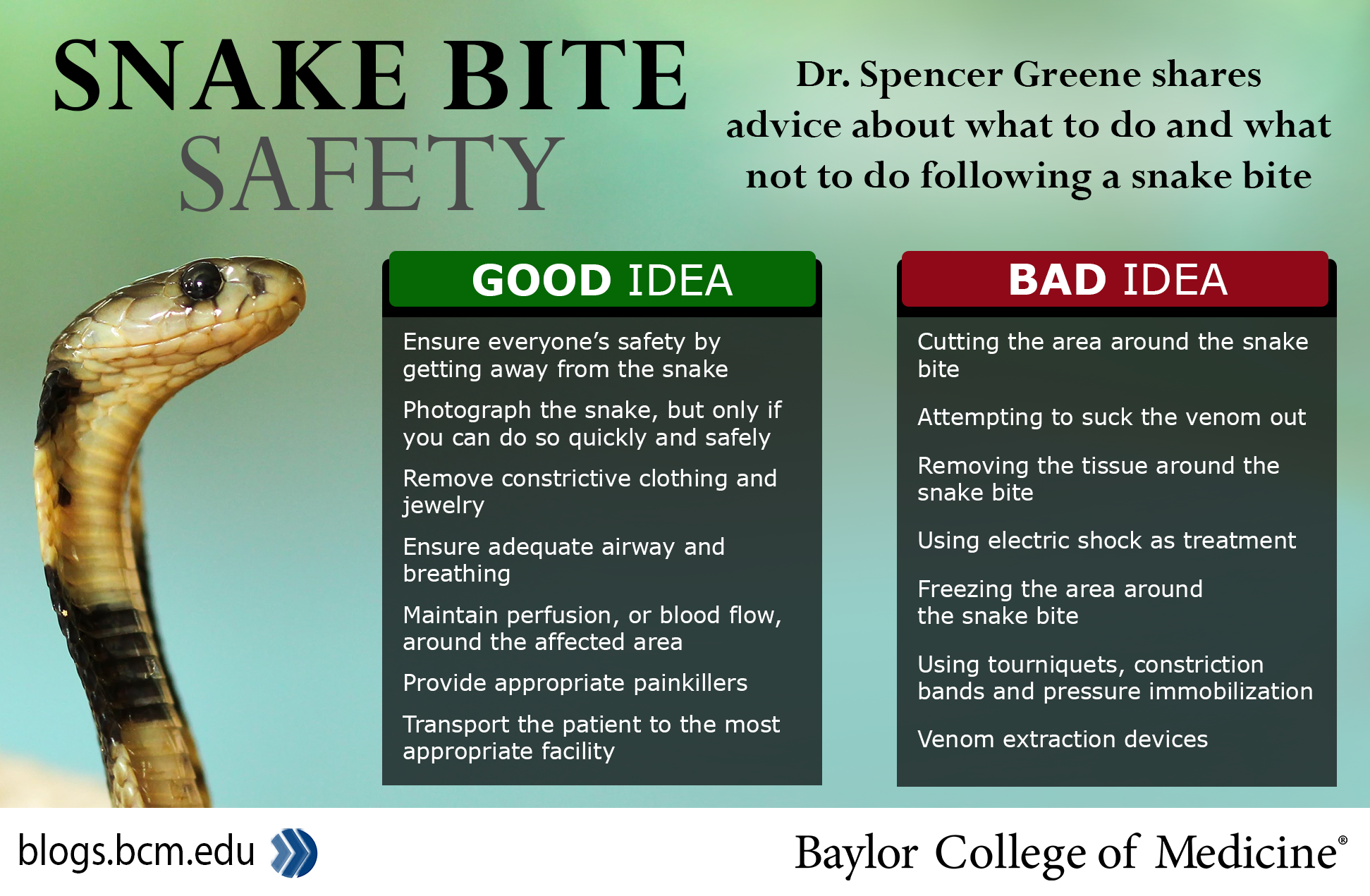
Despite all precautions, accidents can still happen. When bitten by a venomous snake, immediate and correct response can save lives. Here is what you should (and should not) do:
What to Do Immediately
-
Stay Calm and Still
Panicking increases your heart rate, which can spread venom more rapidly. Try to remain as calm as possible. -
Immobilize the Affected Limb
Keep the bitten limb still and at or slightly below the level of the heart. This slows the spread of venom. -
Remove Tight Items
Take off rings, bracelets, or shoes near the bite area, as swelling may occur quickly. -
Seek Medical Help Immediately
Get to the nearest hospital or health center as quickly as possible. If possible, take note of the snake’s color and markings (from a safe distance), but do not attempt to capture it. -
Use a Pressure Bandage (for neurotoxic bites)
In some cases—such as with cobra or mamba bites—applying a firm but not constrictive bandage around the limb may help delay the spread of venom.
What Not to Do
-
Do not cut the bite or suck out the venom.
-
Do not apply ice or soak the wound in water.
-
Do not give alcohol or caffeinated drinks to the victim.
-
Do not waste time on traditional remedies instead of seeking hospital care.
The rainy season brings not just rainfall but also increased exposure to snake bites—particularly in communities near forests, wetlands, and farmlands. Understanding how to prevent snake encounters, practicing environmental hygiene, and knowing how to respond quickly and correctly to a bite can significantly reduce fatalities.
Public awareness campaigns, improved access to medical care, and ready supplies of antivenom are also essential in minimizing deaths and long-term complications from snake bites.
Let this season not be one of fear, but of preparedness. Stay alert, stay informed, and stay safe.