

By John Umeh
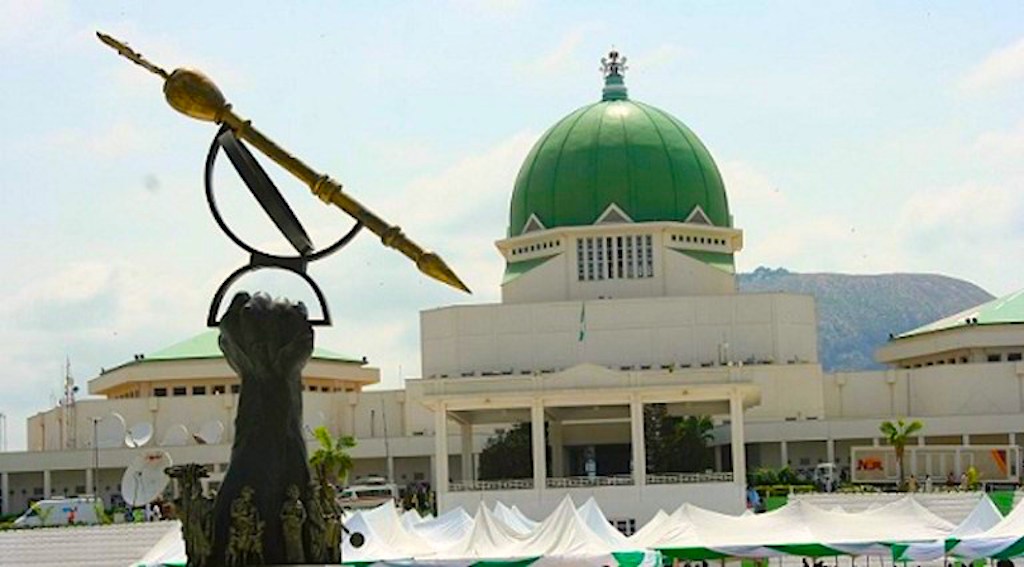
In a disturbing revelation that has sent shockwaves through Nigeria’s political corridors, the House of Representatives has disclosed credible threats from terrorist groups to bomb the National Assembly complex in Abuja.
This was revealed by the Chairman of the House Committee on Internal Security, Hon. Garba Muhammad, during a public hearing on Tuesday, October 28, concerning a bill to establish a Legislative Security Directorate—a specialized body designed to bolster safety and surveillance within the National Assembly.
Muhammad explained that intelligence reports indicated “serious security concerns” surrounding the federal legislature, ranging from infiltration by suspicious visitors to explicit threats of terrorist attacks. According to him, the threats have become more pronounced in recent months, with anonymous sources warning of an imminent bombing plot targeting the National Assembly.
“We have received direct threats from terrorists to bomb the National Assembly complex,” Muhammad stated gravely. “There are also threats from organized groups planning to barricade and shut down the Assembly as a form of protest.”
Beyond these large-scale dangers, the lawmaker painted a troubling picture of internal security lapses within the legislative complex. He noted that individuals frequently gain unauthorized access to lawmakers’ offices using fake identification cards, while incidents of theft, vandalism, and security breaches have become increasingly common.
“Some individuals enter the National Assembly without proper screening or appointments,” Muhammad warned. “This exposes lawmakers, staff, and visitors to serious risks, especially in an environment where terrorism and criminality are on the rise.”
He further emphasized that the nation’s democratic stability could be severely undermined if the threats were ever carried out. The lawmaker cautioned that any successful attack on the National Assembly would paralyze Nigeria’s democratic process.
“If activities in the National Assembly are thwarted, there will be no oversight, no representation, and no budgetary process. Such disruption would endanger democracy and national stability,” he said.
The proposed Legislative Security Directorate Bill seeks to implement global best practices in parliamentary security, including advanced access control, digital surveillance systems, and rapid response protocols. It also aims to train specialized personnel to protect lawmakers and the legislative infrastructure from internal and external threats.
Muhammad urged his colleagues and state Houses of Assembly across Nigeria to adopt similar security frameworks, noting that democracy thrives on both public accessibility and institutional protection.
“While the National Assembly must remain open to citizens, we cannot allow openness to become a weakness. Security and democracy must coexist for governance to function effectively,” he concluded.
As the House intensifies its deliberations on the proposed bill, Nigerians are once again reminded of the fragile state of national security and the urgent need to safeguard the country’s most critical democratic institutions from evolving threats.

