

By John Umeh
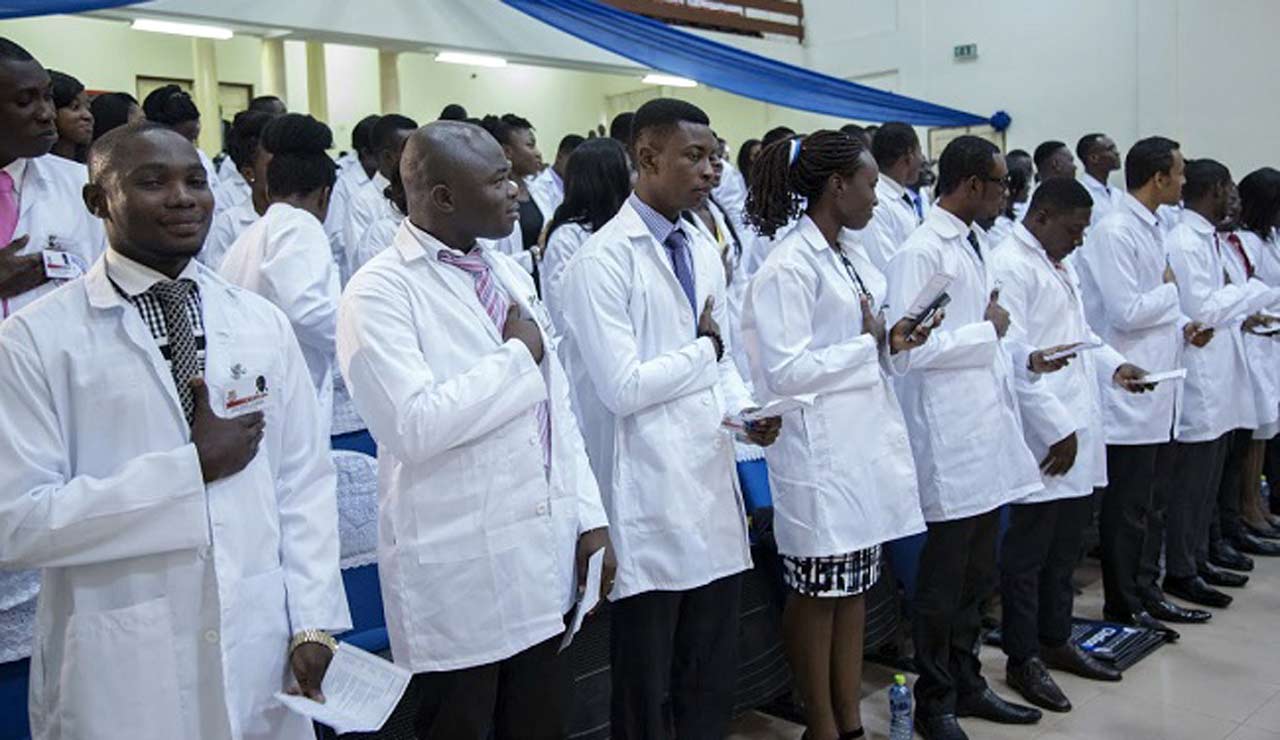
The National Association of Resident Doctors (NARD) has dismissed figures released by the Federal Government regarding the payment of outstanding arrears to health workers, declaring that its nationwide strike will continue across 91 hospitals until its demands are fully met.
This follows the government’s announcement last Thursday that it had approved the release of ₦11.995 billion for the payment of arrears owed to doctors and other medical professionals within 72 hours — a move officials said was aimed at restoring industrial harmony in the health sector.
But in a swift response, NARD’s National President, Dr. Mohammad Usman Suleiman, said the association disputes the accuracy of the figures being circulated and insists that only two out of its 19 key demands have received any serious attention from the authorities.
“Yes, the payment process has started, but the amounts being quoted are very wrong,” Suleiman told The Guardian on Sunday. “Our strike continues because the government has not addressed the majority of our demands in a meaningful way.”
19 Demands, Minimal Progress
According to NARD, the ongoing industrial action stems from 19 unresolved welfare and professional issues, which have persisted despite months of negotiations with the Federal Ministry of Health.
Among these issues are the non-payment of the outstanding 25 per cent and 35 per cent salary arrears from the Consolidated Medical Salary Structure (CONMESS) upward review — arrears the association said should have been cleared by August 2025.
Other unresolved matters include promotion arrears, the 2024 accoutrement allowance, and the upgrading of doctors who have completed their postgraduate examinations but are yet to be placed on appropriate salary scales.
Accusations of Discrimination and Bureaucratic Delay
NARD also faulted what it described as the discriminatory exclusion of resident doctors from specialist allowances and the continued marginalisation of medical and dental house officers in the civil service scheme. These omissions, the group said, have resulted in delayed salaries, lack of payslips, and denial of professional recognition for many junior doctors.
The association lamented ongoing salary shortfalls, the casualisation of medical personnel in tertiary hospitals, and the downgrading of entry-level positions for newly employed resident doctors — all of which it says have contributed to low morale and brain drain in the country’s healthcare sector.
“Strike Continues Until Genuine Commitment Is Shown”
Dr. Suleiman reaffirmed that the strike would continue until the Federal Government demonstrates genuine commitment to implementing all agreements reached during previous negotiations.
“Our members are tired of promises and piecemeal solutions. We want full implementation of what was agreed upon,” he said. “The government cannot continue to expect doctors to work under unfair and demoralising conditions.”
Government’s Position
While the Federal Ministry of Health maintains that payment has been approved and will soon be disbursed, NARD has called for transparency in the figures and timelines involved. The association insists that it will not suspend the strike until there is clear evidence of payment and tangible progress on all pending issues.
Nationwide Impact
With 91 hospitals currently affected by the strike, health services across federal and teaching hospitals remain strained. Patients in several states have been forced to seek care in private facilities or postpone treatment, as negotiations between the government and the doctors’ union drag on.
Despite the disruption, NARD said its members remain resolute and united, stressing that the strike is not just about money but about restoring dignity, fairness, and sustainability in Nigeria’s healthcare system.
The association urged the Federal Government to act swiftly, warning that continued neglect could further weaken the already fragile health sector and worsen the ongoing exodus of medical professionals from the country.

