

8 secrets to a good night’s sleep
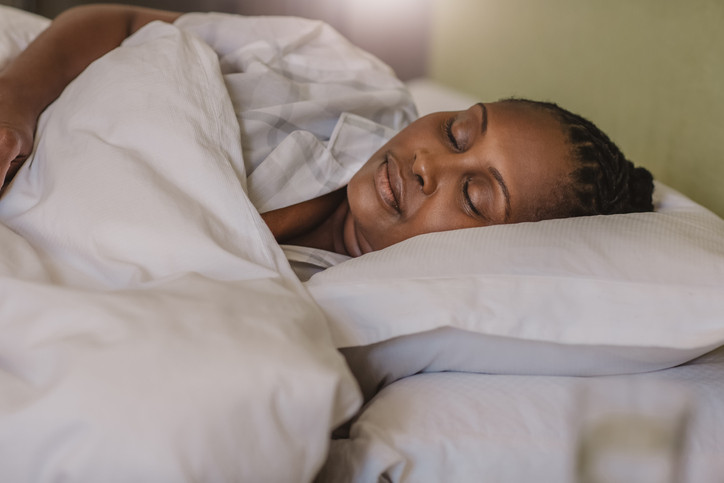
Tired of feeling tired? Here are some simple tips to help you get to sleep.
After a night spent tossing and turning, you wake up feeling like a couple of the Seven Dwarves: sleepy…and grumpy. Restless nights and weary mornings can become more frequent as we get older and our sleep patterns change. In women, it often begins around the time of menopause, when hot flashes and other symptoms awaken them.
Later in life there tends to be a decrease in the number of hours slept. There are also some changes in the way the body regulates circadian rhythms.. This internal clock helps your body respond to changes in light and dark. When it undergoes a shift with age, it can be harder to fall asleep and stay asleep through the night.
We all have trouble sleeping from time to time, but when insomnia persists day after day, it can become a real problem. Beyond making us tired and moody, a lack of sleep can have serious effects on our health, increasing our propensity for obesity, heart disease, and type 2 diabetes.
If you’ve been having trouble falling asleep or staying asleep, you may have turned to sleep medications in search of more restful slumber. However, these drugs can have side effects—including appetite changes, dizziness, drowsiness, abdominal discomfort, dry mouth, headaches, and strange dreams. A study in the British Medical Journal associated several hypnotic sleep aids, including zolpidem (Ambien) and temazepam (Restoril), with a possible increased risk of death (although it couldn’t confirm how much of the risk was related to these drugs).
You don’t need to avoid sleep aids if you absolutely need them, but before you turn to pills, try these eight tips to help you get a better night’s sleep:
1. Exercise
Going for a brisk daily walk won’t just trim you down, it will also keep you up less often at night. Exercise boosts the effect of natural sleep hormones such as melatonin. A study in the journal Sleep found that postmenopausal women who exercised for about three-and-a-half hours a week had an easier time falling asleep than women who exercised less often. Just watch the timing of your workouts. Exercising too close to bedtime can be stimulating. Morning workouts that expose you to bright daylight will help the natural circadian rhythm.
2. Reserve bed for sleep and sex
Don’t use your bed as an office for answering phone calls and responding to emails. Also avoid watching late-night TV there. The bed needs to be a stimulus for sleeping, not for wakefulness. Reserve your bed for sleep and sex.
3. Keep it comfortable
Television isn’t the only possible distraction in your bedroom. Ambience can affect your sleep quality too. Make sure your bedroom is as comfortable as possible. Ideally you want a quiet, dark, cool environment. All of these things promote sleep onset.
4. Start a sleep ritual
When you were a child and your mother read you a story and tucked you into bed every night, this comforting ritual helped lull you to sleep. Even in adulthood, a set of bedtime rituals can have a similar effect. Rituals help signal the body and mind that it’s coming to be time for sleep. Drink a glass of warm milk. Take a bath. Or listen to calming music to unwind before bed.
5. Eat—but not too much
A grumbling stomach can be distracting enough to keep you awake, but so can an overly full belly. Avoid eating a big meal within two to three hours of bedtime. If you’re hungry right before bed, eat a small healthy snack (such as an apple with a slice of cheese or a few whole-wheat crackers) to satisfy you until breakfast.
6. Avoid alcohol and caffeine
If you do have a snack before bed, wine and chocolate shouldn’t be part of it. Chocolate contains caffeine, which is a stimulant. Surprisingly, alcohol has a similar effect. It makes you a little sleepy, but it’s actually a stimulant and it disrupts sleep during the night. Also stay away from anything acidic (such as citrus fruits and juices) or spicy, which can give you heartburn.
7. De-stress
The bills are piling up and your to-do list is a mile long. Daytime worries can bubble to the surface at night. Stress is a stimulus. It activates the fight-or-flight hormones that work against sleep. Give yourself time to wind down before bed. Learning some form of the relaxation response can promote good sleep and can also reduce daytime anxiety. To relax, try deep breathing exercises. Inhale slowly and deeply, and then exhale.
8. Get checked
An urge to move your legs, snoring, and a burning pain in your stomach, chest, or throat are symptoms of three common sleep disrupters—restless legs syndrome, sleep apnea, and gastroesophageal reflux disease or GERD. If these symptoms are keeping you up at night or making you sleepy during the day, see your doctor for an evaluation.
Taking sleep medicines safelyIf you’ve tried lifestyle changes and they aren’t working, your doctor may prescribe hypnotic sleep medications. These drugs can help you fall asleep faster and stay asleep longer, but they also can have side effects. Here are some tips for ensuring that you’re taking these medicines as safely as possible:
|
- Increase bright light exposure during the day. …
- Reduce blue light exposure in the evening. …
- Don’t consume caffeine late in the day. …
- Reduce irregular or long daytime naps. …
- Try to sleep and wake at consistent times. …
- Take a melatonin supplement. …
- Consider these other supplements. …
- Don’t drink alcohol.
Secrets and effects!
Sleeping is not (only) a pleasure…
It’s a necessity. So says the World Health Organization (WHO), which also warns against the risks of not sleeping enough.

Lack of rest
If we don’t take all the rest our bodies need, we can get gastric problems, a considerable increase in appetite, and a worrying imbalance in performance. The WHO is clear: the human body needs to recover.

How many hours should a person sleep?
The amount of sleep a person needs, depends on many factors. The World Health Organization makes recommendations on the basis of age:
New-borns – 16-18 hours a day
Pre-schoolers – 11-12 hours a day
Schoolchildren – 10 hours a day minimum
Teenagers – 9-10 hours a day
Adults and seniors – 7-8 hours a day

Sleeping time
A study by Brigham Women’s Hospital (USA) determined that the ideal time to go to bed is between 22:00 and 23:00 hours. They based their estimate on a daily routine that peaks in activity at 09:00 am and dips around 22:00 or 10 pm. If, on a day like this, we are not asleep by 23:00, our level of cortisol will not lower as much as should. It may then be difficult to fall asleep at all.
-
-
-
Tips for sleeping better
For those who find it hard to fall asleep, here are some tips for a better night’s sleep. Keep in mind that these recommendations depend on the uses, customs, and hours of light at the place where we live.
-
-


Do not go back to bed
For one, stay away from the bed during daytime. Getting out of bed should mean becoming active and not returning to bed until bedtime. This way the body will know that it must be activated as soon as you open your eyes.

Hourly routine
Although it is sometimes complicated, it is recommended to go to bed and wake up at the same time every day – even on weekends. Routine is a great ally to get rest.

No caffeine
In the evening and especially at night, caffeine is forbidden if you want to sleep properly.

No nicotine
The same goes for nicotine, which should be avoided in all its variants, including patches.
-
-
-
Exercise but…
Exercising regularly helps you sleep much better. However, you should try not to exercise 3 hours before going to sleep.
-
-


Avoid alcohol or tea
If caffeine will alter your rest, so will alcoholic beverages and teas. They are not recommended before going to bed.

Avoid heavy meals
A heavy meal for dinner will make the digestion process take longer than it should, preventing you from sleeping normally. Try to eat light meals and foods that are easily digested.

Yes to naps (but in moderation)
If you can take a break, a nap is never bad, but it has to be very short (about 15 minutes).

Disconnect before going to sleep
If you want to relax before going to sleep, you can spend the last half hour of the day taking a bath, reading, or listening to soft music.

Cozy bedroom
It’s important that the bedroom invites you to sleep. To do this, make it dark, without noise, and with a temperature that is neither cold nor hot. Above all, you should feel comfortable in your own bedroom.

Avoid distractions
If you’re going to sleep, avoid anything that might distract you. Computers, mobile phones, tablets… It has been demonstrated that any technological device of this type makes our brain activate and we lose the momentum of sleep.

Take a sunbath
During the day, try to sunbathe as much as you can (always with protection). The solar cycle regulates the biological clock as well as the sleep and wakefulness stages. In fact, in summer it is easier to sleep and we notice that we rest better. This is because of the effects of UVA rays on melatonin, the hormone that controls sleep cycles.

If you don’t fall asleep, get up.
If you don’t fall asleep and it looks like you won’t be able to, don’t spend more than 20 minutes in bed. Get up and do something to relax. From drinking a glass of water, to going for a walk or reading a book. Whatever it takes to clear your mind and get you to relax.

Dairy? Of course
Dairy products are highly recommended to fall asleep, as they promote the formation of serotonin, giving the body a feeling of well-being and relaxation. However, it is advisable that dairy products are consumed in the afternoon rather than the evening. The digestion may take a long time and then actually work against our sleep. Of course, if you are vegan or vegan, forget this advice.

Calcium and magnesium
The properties of some foods make the nervous system more predisposed to reach the state of sleep. In this respect, calcium and magnesium favour that the nervous connections are predisposed to rest. Nuts, like hazelnuts, walnuts or cashews, are ideal for this.

The bed is for sleeping
Well, ok, it is also for something else. But if you don’t háve to use the bed for tasks like using the computer, eating, or playing video games, then get off of it. Our brains can get confused. Pleasure and sleep must be associated with the bed. The rest, better in other rooms of the house.

Best without sleeping pills
The more we can avoid sleeping pills, the better. But if you have no other choice, it is essential that you consult your doctor and that the treatment is as brief as possible. Sleeping pills can create a dangerous dependency.

Short naps
We said naps are fine but, as we said, short. And if you can do it before 15:00, it will be much more beneficial.

Better without screens
It is advisable to avoid all types of screens (television, mobile, computer, tablet …) before going to sleep. In fact, it is best to not touch a screen for at least an hour before you go to sleep.

No work in the evening!
It is strictly forbidden to spend the night doing chores or work. Try not to leave things for the last minute, because after 22:00 (in the suggested routine of 9:00 to 23:00), your performance diminishes speedily. It could take you four times longer to do things at that time of the day, while you also lose hours of rest.

List of tasks
If you want to go to bed relaxed and carefree, it’s best to make a to-do list just before bedtime. Of course, you should do this with paper and pen, no cell phone. It’s a ritual that helps reduce stress and relax the body.

What about the weekend?
We have already commented that the most advisable thing is to wake up and go to bed at the same time every day. But of course, it’s tough to get up at 06:00 on the weekend. In any case, try not to wake up more than two hours later than usual on Saturdays and Sundays. If you do, you alter the biological clock and it will cost you much more to get up early during the week.

Books: yes, but be careful
Reading is very healthy, it helps you relax, and it is one of the healthiest hobbies. But watch out for the theme of the book you read. If it stresses you out too much, it can cause insomnia. Not to mention those novels that keep you hooked and reading til dawn. Having two or three books on the bedside table at the same time helps to solve these situations.

Set the alarm to go to bed
If you set an alarm to get up, why not set it to go to sleep too? On the one hand, you will keep a close watch on your bedtime and, on the other, it will warn you when you don’t remember. What’s more: mobile sleep applications already include this alarm with your pre-calculated, recommended bedtime.


