By Health Editor
Geraldine Ohonba

A major international study has found that almost every person who suffers a heart attack, stroke or heart failure shows clear warning signs years before the event — challenging the common belief that such cardiac emergencies strike “out of the blue.”
Researchers from Northwestern University in Chicago and Yonsei University in Seoul tracked the health records of more than 9.3 million adults in South Korea and nearly 7,000 people in the U.S. over two decades. By analysing blood pressure, cholesterol, blood sugar levels, smoking history and subsequent diagnoses, they discovered that more than 99 per cent of patients who later developed serious cardiovascular disease already had at least one major risk factor. Over 93 per cent had two or more.
High blood pressure — often dubbed the “silent killer” — emerged as the most common culprit, affecting more than nine in ten of those studied. Raised blood sugar, diabetes, high cholesterol and past tobacco use were also key drivers.
“These findings show very convincingly that exposure to one or more non-optimal risk factors before cardiovascular outcomes is nearly 100 per cent,” said senior author Dr Philip Greenland, professor of cardiology at Northwestern University Feinberg School of Medicine. “The goal now is to work harder on controlling these modifiable risk factors.”
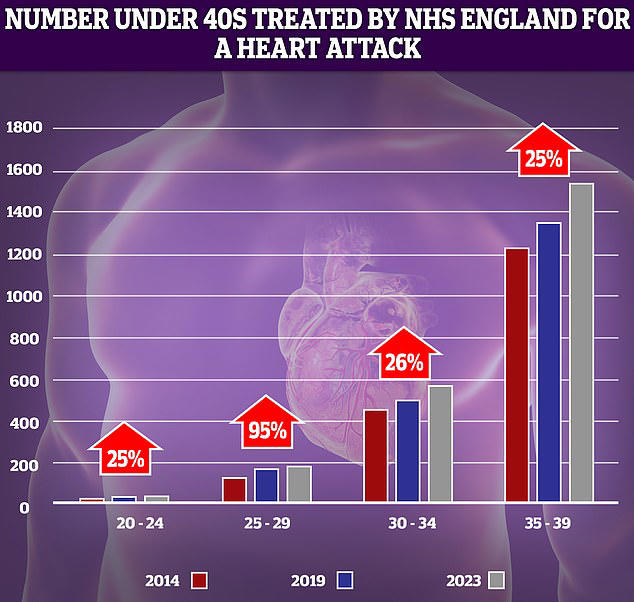
The study’s results also reveal a worrying trend: cardiac emergencies are no longer confined to older people. Hospital admissions for heart attacks among Britons in their 30s and 40s have risen sharply, while in the U.S. heart attacks in adults under 40 are increasing by about 2 per cent a year. Strokes in 18- to 44-year-olds have jumped by roughly 15 per cent over the past decade, according to national survey data.
Experts point to obesity, poorly controlled blood pressure and cholesterol, type 2 diabetes, poor diet, sedentary lifestyles and high stress levels as fuelling the rise in younger patients. Yet many are overlooked because heart disease is still seen as an older person’s problem.
Doctors say most risk factors can be detected early and often reversed through lifestyle changes such as healthier eating, regular exercise, quitting smoking, weight management and, when necessary, medication. But the problem is that millions either do not know they have these conditions or fail to keep them under control.
Health services, the researchers argue, should focus on routine screening for blood pressure, cholesterol and blood sugar in middle-aged adults, especially those who feel healthy, to prevent irreversible damage later.
Cardiovascular disease remains the world’s leading cause of death, claiming about 18 million lives annually. In the UK alone it accounts for a quarter of all deaths. The new findings, published in the Journal of the American College of Cardiology, underline the importance of recognising early warning signs and acting before it is too late.