
By Kamba Nodiaye
Gym-Free Fitness: A Step-by-Step Guide to Muscle Training at Home!

Introduction
You don’t need a gym membership, fancy machines, or an expensive personal trainer to build muscle and get stronger. With the right mindset, knowledge, and consistency, you can effectively train your muscles from the comfort of your home. Whether you’re short on time, trying to save money, or simply prefer working out in a private space, gym-free fitness offers a convenient and sustainable path to physical transformation.
This guide walks you through everything you need to start and maintain a successful muscle-building routine at home — using little to no equipment.
Step 1: Understand the Basics of Muscle Growth
Before diving into exercises, it’s essential to grasp how muscle growth works. Muscle hypertrophy (growth) occurs when muscle fibers are broken down during resistance training and rebuilt during rest and recovery. The key principles include:
-
Progressive Overload: Increasing the difficulty over time (more reps, sets, resistance, or intensity).
-
Consistency: Regular, repeated workouts are essential to see results.
-
Recovery: Muscles grow during rest, not during the workout itself.
-
Nutrition: Protein intake and a balanced diet support muscle repair and growth.
Step 2: Bodyweight Training – The Foundation of Home Fitness
Bodyweight exercises are highly effective for strength and muscle development. They rely on your body as resistance and can be adapted for any fitness level.
Core Bodyweight Exercises:
-
Push-Ups – Builds chest, shoulders, and triceps.
-
Variations: Knee push-ups (beginner), wide-arm, diamond, and decline push-ups (advanced).
-
-
Squats – Targets quads, hamstrings, and glutes.
-
Variations: Jump squats, sumo squats, one-legged (pistol) squats.
-
-
Planks – Strengthens the core and improves stability.
-
Variations: Side planks, plank with shoulder taps.
-
-
Lunges – Works legs and glutes; improves balance.
-
Variations: Forward, reverse, and walking lunges.
-
-
Pull-Ups or Doorway Rows – Trains back and biceps.
-
Use a pull-up bar or a resistance band/door anchor.
-
Routine Example (Full Body):
-
3 rounds of:
-
10 Push-ups
-
15 Squats
-
10 Lunges per leg
-
30-second plank
-
10 Chair dips
-
Rest 60 seconds between rounds.

Step 3: Incorporate Simple Equipment (Optional but Effective)
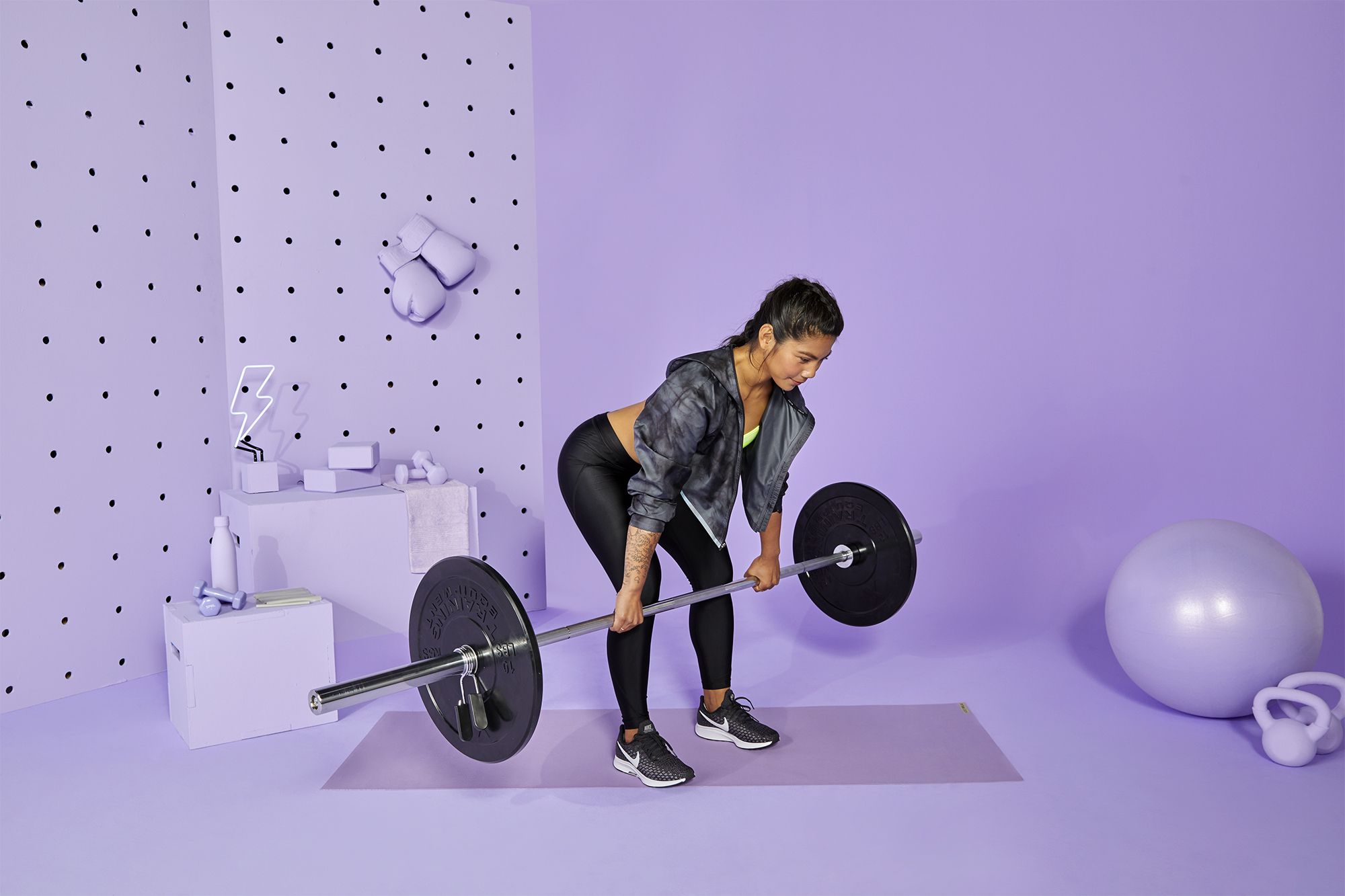
While not necessary, small equipment can enhance your home workouts.
-
Resistance Bands – Provide varying tension for strength training.
-
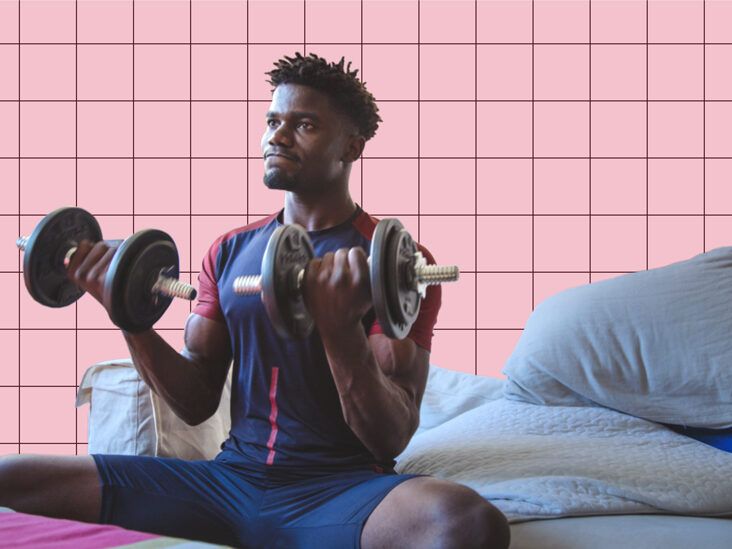
Dumbbells/Kettlebells – Add weight to exercises like squats, lunges, and presses.
-
Pull-Up Bar – Install in a doorway to train the upper back.
-
Stability Ball – Useful for core and balance exercises.
Tip: Even household items like water bottles, backpacks filled with books, or towels can substitute as weights.
Step 4: Plan a Weekly Workout Schedule
Structure keeps you consistent and helps balance muscle training with recovery.
Sample Weekly Plan:
-
Monday – Upper Body (Push-ups, dips, planks)
-
Tuesday – Lower Body (Squats, lunges, calf raises)
-
Wednesday – Active Recovery (Yoga, walking, light stretching)
-
Thursday – Core & Stability (Planks, leg raises, bird-dogs)
-
Friday – Full Body Circuit
-
Saturday – Optional cardio (jogging, jump rope, dancing)
-
Sunday – Rest
Adjust the frequency based on your fitness level and goals.
Step 5: Focus on Nutrition and Hydration
No workout plan is complete without proper nutrition. To build and maintain muscle at home:
-
Eat Protein-Rich Foods: Eggs, chicken, legumes, tofu, and Greek yogurt.
-
Include Healthy Carbs and Fats: Whole grains, fruits, nuts, olive oil.
-
Stay Hydrated: Water aids muscle recovery and overall performance.
-
Avoid Overeating or Undereating: Aim for a balanced calorie intake based on your goal (gain, lose, or maintain weight).
Step 6: Track Progress and Stay Motivated
Seeing results takes time, but tracking your progress helps maintain motivation. Keep a workout log, take weekly photos, or track reps and sets to measure improvement.
Additional Tips:
-
Set SMART fitness goals (Specific, Measurable, Achievable, Relevant, Time-bound).
-
Join online communities or follow workout apps for guided routines.
-
Reward yourself for milestones — not with junk food, but with something meaningful.
Finally: Learn to Build Strength on Your Own Terms
Training at home isn’t a compromise — it’s a smart, effective alternative to the gym. By leveraging your bodyweight, maintaining discipline, and following a structured plan, you can develop strength, muscle tone, and confidence without ever stepping outside. The key is to stay committed, keep evolving your routine, and trust the process.
Remember, the best gym is the one you’ll use consistently — and sometimes, that’s right at home.