

By John Umeh
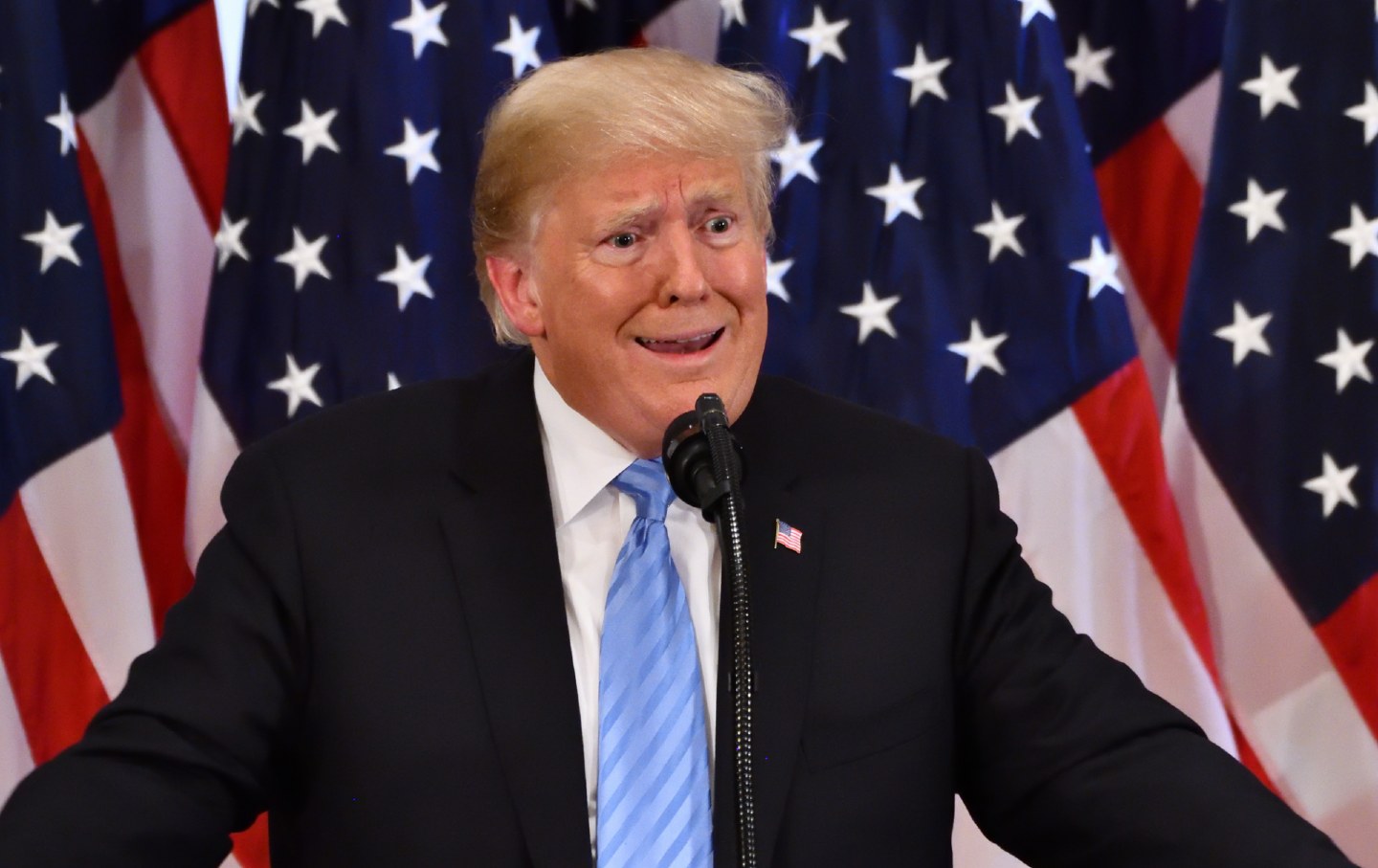
In a move that has sparked international debate, the United States military has reportedly submitted detailed contingency plans for potential air and ground strikes in Nigeria, following a directive from President Donald Trump to explore military options in response to alleged attacks on Christians by Islamist insurgents.
According to a report by The New York Times, the U.S. Africa Command (AFRICOM), headquartered in Stuttgart, Germany, presented several operational strategies—ranging from limited drone operations to full-scale air campaigns—to the Department of War earlier this week at the request of Secretary Pete Hegseth.
Three-Tier Strike Options
Defense officials disclosed that the military has proposed three escalating plans: light, medium, and heavy options.
-
The light option involves supporting Nigerian security forces through “partner-enabled operations,” allowing U.S. personnel to provide intelligence, surveillance, and limited logistical aid against militant groups such as Boko Haram and the Islamic State West Africa Province (ISWAP).
-
The medium option includes the use of Predator and Reaper drones to conduct precision strikes on insurgent compounds, bases, and convoys in northern Nigeria. However, this approach faces logistical hurdles after the U.S. vacated its drone bases in Agadez and Niamey, Niger, which are now occupied by Russian forces.
-
The heavy option proposes the deployment of an aircraft carrier group to the Gulf of Guinea, from which U.S. fighter jets and long-range bombers could launch deep strikes into Nigerian territory. Military analysts, however, have cautioned that such an operation would be costly, complex, and politically volatile.
Internal Skepticism and Strategic Concerns
Several current and former U.S. military officials have voiced doubts about the practicality of any direct intervention in Nigeria.
“It would be a fiasco,” said Maj. Gen. Paul D. Eaton, a retired Army veteran of the Iraq War. “Unless the U.S. is willing to engage in another long-term ground campaign like Iraq or Afghanistan, limited airstrikes will have little strategic effect.”
Officials noted that Nigeria’s conflict—marked by ethnic, religious, and territorial disputes—cannot be resolved solely through military means. Much of the violence in the country’s northern region stems from land-use tensions between farmers and herders, compounded by corruption and decades of underdevelopment.
The Political Trigger
President Trump’s latest order came after his social media statement over the weekend declaring that the U.S. would “protect cherished Christians in Nigeria” from what he termed “genocidal attacks.” Defense Secretary Hegseth swiftly responded online:
“Yes, Sir. Plans are in motion.”
While Trump’s stance has resonated with some of his conservative supporters, critics have described the move as politically driven and strategically risky, warning that U.S. involvement could strain relations with Nigeria—Africa’s most populous democracy and a key regional power.
Diplomatic and Regional Implications
Nigerian officials have not publicly commented on the U.S. military plans, but analysts predict that any unilateral action could provoke serious diplomatic fallout, especially if launched without Nigeria’s consent.
Additionally, West African nations are reportedly hesitant to host U.S. forces or allow drone operations from their territories, fearing retaliation from insurgents and backlash from the African Union.
What Lies Ahead
For now, the Pentagon has not authorized any operations, and officials emphasize that these are contingency plans only. Yet, the very discussion of potential U.S. strikes in Nigeria signals a heightened geopolitical tension in the region — and raises questions about how far Washington is willing to go in redefining its military engagement in Africa.
As the situation develops, the world watches closely to see whether this latest standoff between the Trump administration and African insurgent groups will escalate into another overseas military campaign — or remain a strategic warning shot.

